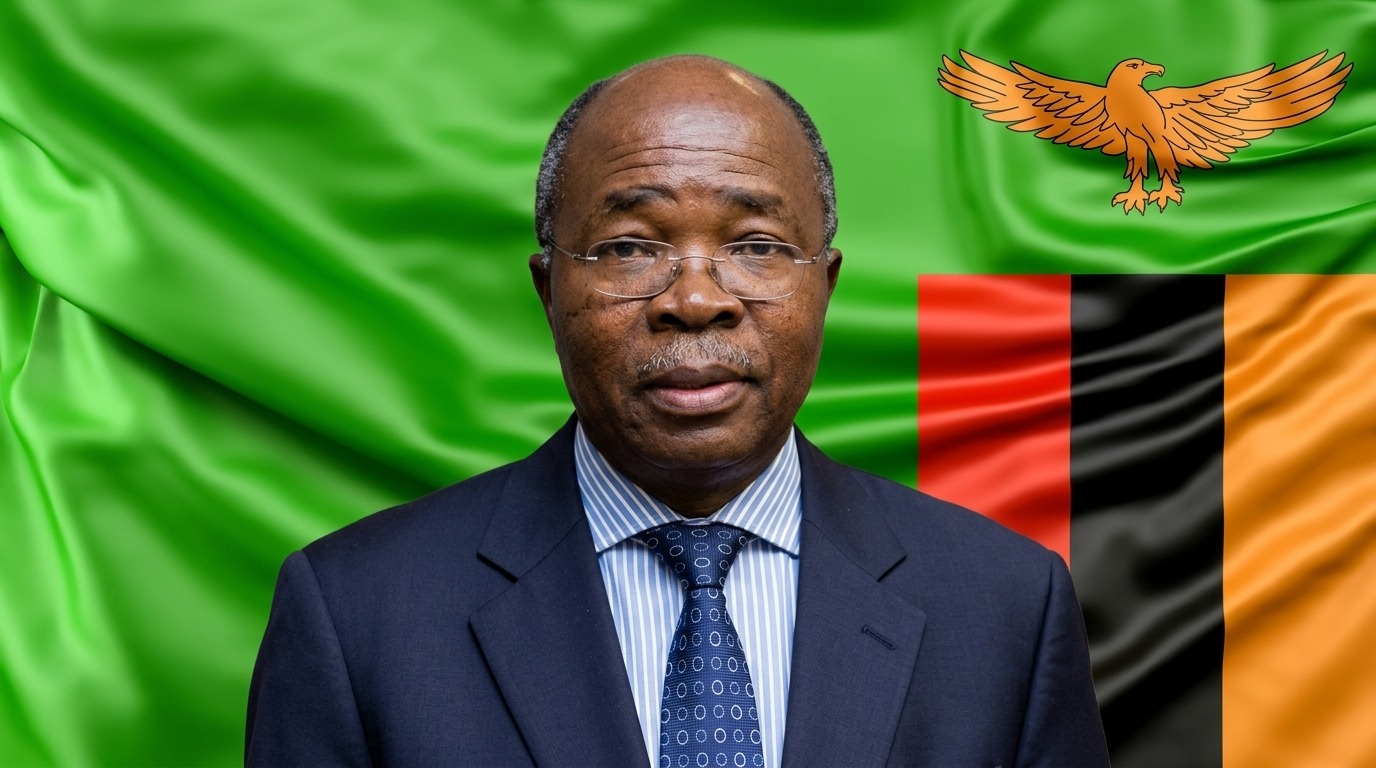
Finance and National Planning Minister Situmbeko Musokotwane disclosed the figures in a ministerial statement to Parliament, reporting that external debt stood at $15.35 billion at the end of June 2026, compared with $16.15 billion at the end of December 2025.
Total central government debt reached $30.89 billion at the end of June, comprising $15.54 billion in domestic obligations and $15.35 billion in external debt.
The reduction in external obligations was partly attributed to a liability-management operation undertaken during the first half of 2026 to support the country's Eurobond buyback. Slower disbursement of external debt also contributed to the decline.
The latest figures represent an important development in Zambia's efforts to recover from a prolonged debt crisis that severely constrained government spending and weakened its ability to finance essential public services.
The country has been implementing a comprehensive restructuring programme following its debt default, with negotiations involving official creditors and private-sector lenders under the G20 Common Framework.
According to Treasury Secretary Felix Nkulukusa, Zambia has resumed servicing its restructured debt obligations, while approximately 81% of the required legal documentation has been completed.
A remaining $312 million agreement relating to a called guarantee has been submitted to the official creditor committee for assessment. Approval could bring the proportion of restructured debt to approximately 98%, according to the Treasury official.
The government is also preparing for a potential successor programme with the International Monetary Fund. The proposed 36-month Extended Credit Facility arrangement is valued at $1.46 billion and is expected to provide support for balance-of-payments requirements and budget financing, subject to approval.
Zambia's debt-to-GDP ratio has declined from approximately 129% in 2021 to 91% in 2025, although the government has set a longer-term objective of reducing the ratio to no more than 65%.
The reduction in external debt could create additional fiscal flexibility, allowing the government to redirect resources towards infrastructure, agriculture, healthcare, education and social protection.
However, the country's recovery remains exposed to several risks, including currency movements, external financing conditions, commodity-market volatility and the cost of servicing outstanding obligations.
The next phase of Zambia's debt-management strategy will depend on completing outstanding restructuring agreements, maintaining fiscal discipline and securing sustainable access to international financing.
For investors and development partners, the improvement in debt indicators provides an encouraging signal, although sustained economic recovery will depend on whether fiscal stability translates into stronger private-sector investment, employment and productive growth.