Farmers in parts of southern and western India are facing depleted soil moisture as they prepare to sow wheat and chickpeas. In Jalna district, about 400 kilometres east of Mumbai, rainfall was approximately 48% below average this year, according to the local weather office, leaving some growers unable to plant on schedule.
The weak monsoon has increased the risk of lower yields at a time when prices of several essential foods are already rising. Sugar, pulses, wheat and rice have become more expensive, while onions, milk and poultry products are also adding to pressure on consumers. A severe El Niño has contributed to concerns about crop conditions in India and other agricultural producing countries.
India Ratings and Research chief economist Devendra Pant said food inflation could approach 10% in the October-to-December quarter, reflecting weak rainfall, higher international prices and rupee depreciation. Annual retail food inflation had already accelerated to 7.74% in September, pushing headline inflation to 5.54%, close to the Reserve Bank of India’s upper tolerance limit.
The consequences extend beyond grocery bills. Higher food prices can reduce the money households have available for discretionary purchases, while weaker rural incomes may further restrain demand for tractors, farm equipment and other goods. The rural economy has already been affected by poor rainfall and subdued agricultural activity.
India can use imports to address shortages in commodities such as sugar, vegetable oils and pulses. However, higher global prices, a weaker currency and increased freight costs make overseas supplies more expensive. The availability of domestic rice and wheat stocks may provide some protection, although regional shortages and consumer preferences continue to influence prices.
The outlook will depend partly on soil moisture, winter temperatures and the performance of the next harvest. For policymakers, the challenge is to protect food-price stability while sustaining economic activity. A further deterioration in crop conditions could extend inflationary pressure into the coming months and place additional strain on household purchasing power.
Weak Monsoon Raises India's Food Inflation Risks as Crop and Dairy Costs Climb
RAJEWADI, India, 3 November 2026 — Below-average monsoon rainfall is threatening India’s winter crop planting and raising the risk of prolonged food inflation, as water shortages and higher input costs put pressure on farmers and household budgets.
By Staff Writer
Updated about 3 hours ago··13 views
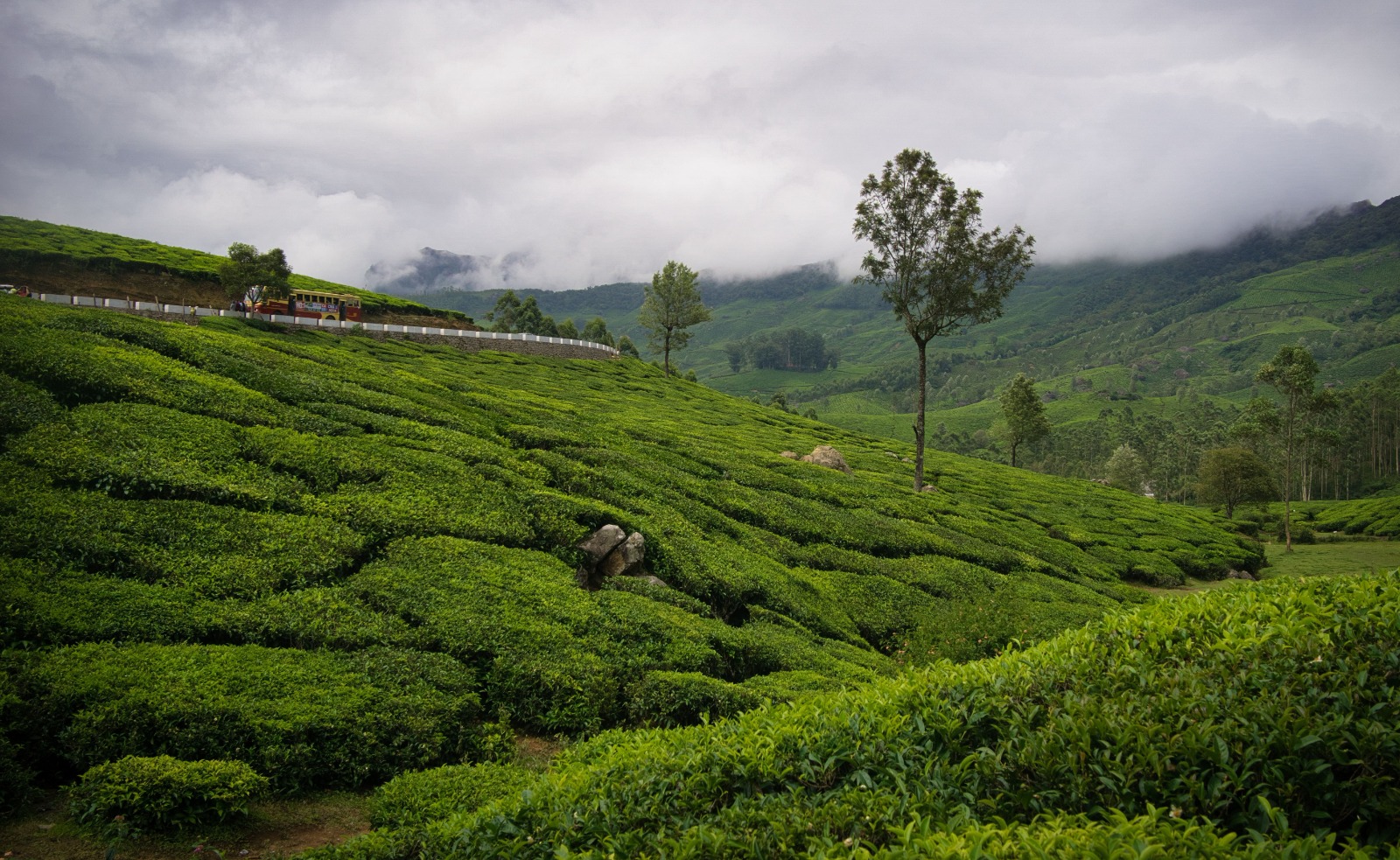
The monsoon in Munnar, Kerala, with lush tea plantations in the background. Shutterstock/WireStock+Inc
Report a correction
Aldrenor is committed to accuracy and accountability.