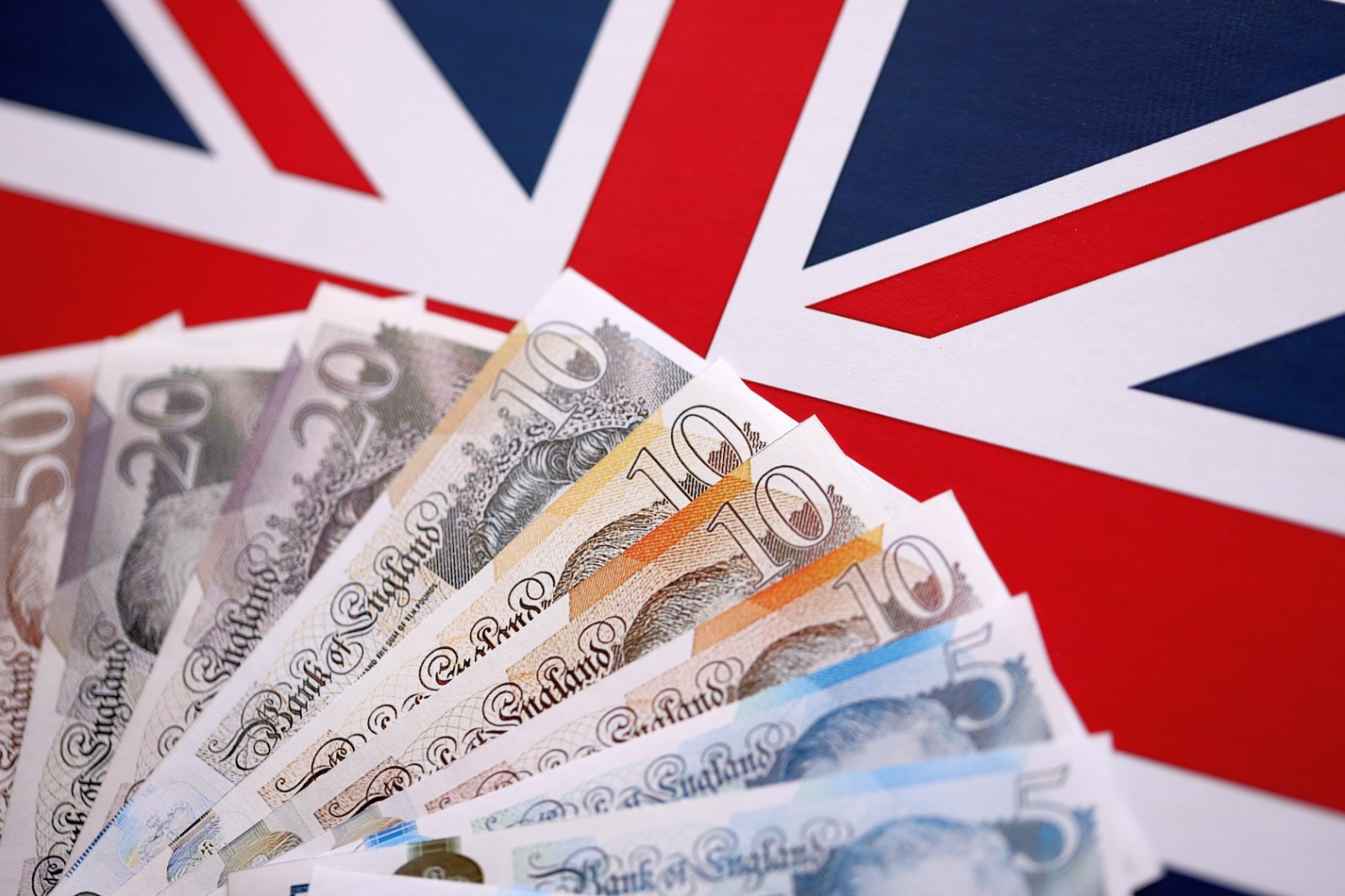
The quarter-point increase marks a shift from the easing cycle that had previously reduced borrowing costs. Policymakers are responding to higher energy prices and supply disruptions linked to the conflict involving Iran, with concerns that elevated fuel and transport costs could spread into wider consumer prices.
UK inflation reached 3.5% in September, an 11-month high and above the Bank's 2% target, according to reporting by the Associated Press. Higher fuel costs and disruption to supplies through the Strait of Hormuz have contributed to the increase. The Bank faces the challenge of preventing temporary energy-price shocks from becoming persistent inflation through wages, business costs and consumer expectations.
The decision also reflects uncertainty over the duration and intensity of the conflict. A sustained rise in oil and gas prices could increase household energy bills, raise manufacturing costs and place additional pressure on businesses dependent on imported materials and transport. These effects may weaken purchasing power even as higher interest rates increase the cost of mortgages, credit and corporate borrowing.
The Bank's inflation outlook remains particularly sensitive to developments in energy markets. Its forecasts have indicated that inflation could approach 4.8% in the second quarter of 2027, with a more severe energy-price scenario carrying the risk of a higher peak. The timing of a return to the 2% target will depend heavily on whether geopolitical pressures ease.
For businesses, the rate increase creates a more demanding financing environment. Companies considering investment or expansion may delay decisions as borrowing costs rise, while households face additional pressure on disposable income.
The move also places the Bank in a difficult position between controlling inflation and protecting economic growth. Tightening policy can reduce demand, but it cannot directly resolve supply disruptions caused by conflict.
The central issue for policymakers is whether higher rates can contain the domestic effects of imported inflation without imposing excessive damage on economic activity. Further decisions are likely to depend on energy prices, wage growth and evidence that inflation is becoming embedded across the UK economy.