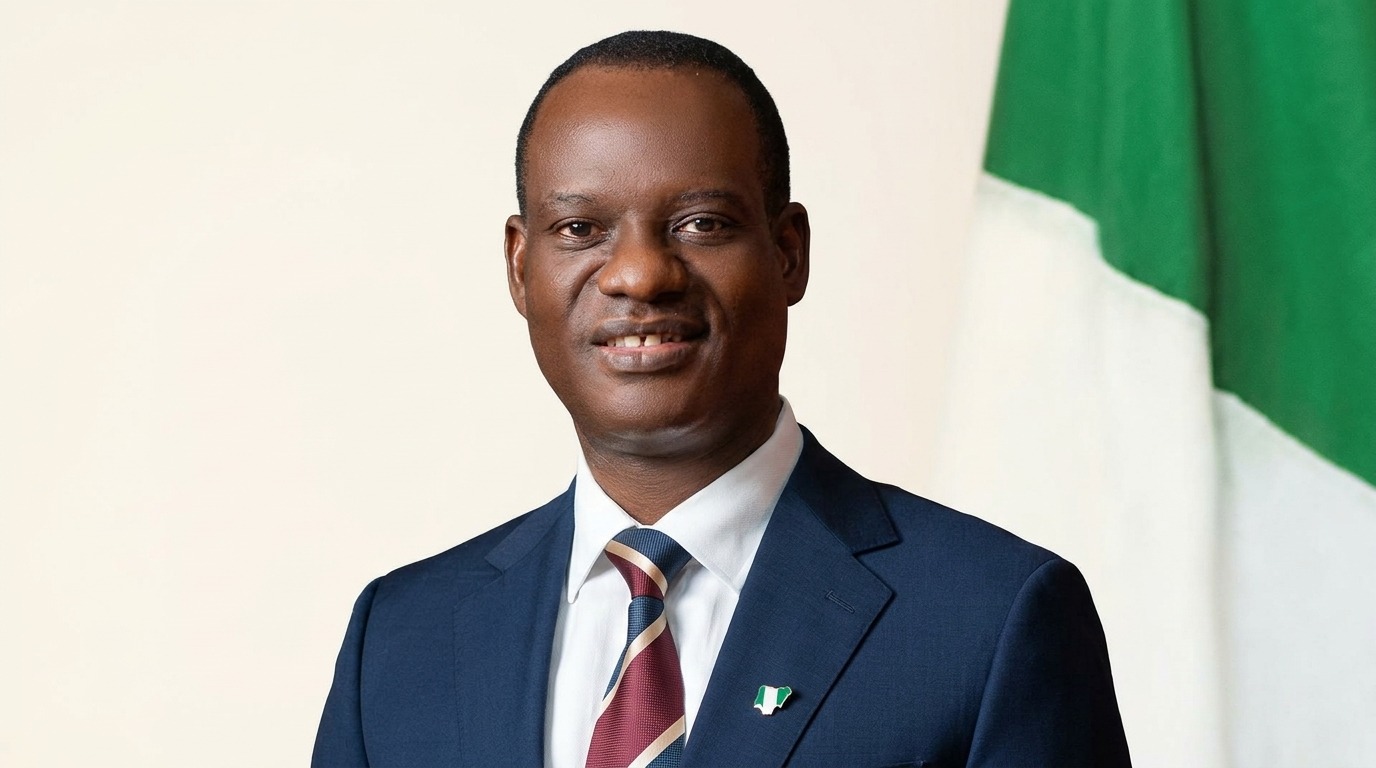
Doumbouya announced that construction of the country's first steel mills was beginning during the Simandou Mining Summit, which opened on Kassa Island on 11 November. The initiative forms part of the government's broader industrialisation strategy under its Simandou 2040 development programme.
The announcement signals a potential shift in Guinea's mining industry, which has historically relied heavily on exporting mineral resources in relatively unprocessed forms.
The government is seeking to move beyond the extraction and export of raw materials towards domestic processing and industrial production. Establishing steel manufacturing capacity could allow the country to capture additional value from its mineral resources while creating opportunities across manufacturing, engineering and supporting industries.
The strategy is particularly significant given Guinea's position as a major mineral-producing economy and the importance of the Simandou iron ore development to its long-term economic prospects.
The president said the industrialisation programme was intended to generate employment, expand technical training and encourage the development of local businesses. He also called on investors to explore opportunities across mining, energy, agriculture, logistics and digital technology.
The government's approach centres on building stronger domestic industrial capabilities rather than allowing the economic benefits of mineral extraction to remain concentrated in the export of unprocessed commodities.
Guinea has already been advancing related mineral-processing projects. Its Simandou 2040 development programme includes alumina refinery investments, while the country has also inaugurated a gold refinery aimed at increasing domestic processing and retaining more value from its mineral production.
These developments reflect a broader policy effort to establish stronger links between mining operations and domestic industrial activity.
However, building a competitive steel industry will require substantial investment in electricity supply, transport infrastructure, industrial technology and skilled labour. The availability of reliable energy and efficient logistics will be particularly important for operations that require significant capital expenditure and continuous production.
The government will also need to establish financing arrangements and partnerships capable of supporting construction, technology transfer and long-term industrial operations.
For investors, the announcement presents potential opportunities across steel production, mining services, energy infrastructure and industrial logistics.
Guinea's ability to translate its mineral wealth into sustainable manufacturing growth will depend on the execution of these projects. The planned steel mills could represent an important step towards economic diversification, although their eventual capacity, financing structure and production timelines remain to be established.