Utility bills have increased by more than 50% since Russia launched its full-scale invasion of Ukraine in 2022 and by more than 13% this year alone, according to figures cited by Reuters. The increases are becoming increasingly difficult for households to absorb as the cost of everyday goods and services remains high.
In Moscow, history teacher Polina Ibragimova said a recent utility bill exceeded half her monthly salary. The increase initially appeared so large that she suspected unusually high household water use before identifying the rise in regulated tariffs as the main cause.
The experience illustrates how inflation is affecting consumers beyond supermarket prices. Energy, heating, water and other essential services are unavoidable expenses, leaving households with limited scope to reduce consumption when charges rise. Lower-income families are particularly exposed because utilities account for a larger share of their disposable income.
The tariff increases are unfolding against a difficult macroeconomic backdrop. Russia’s wartime economy has been supported by substantial military expenditure, while a tight labour market has contributed to wage and price pressures. Authorities have identified inflation as one of the economy’s principal challenges, and elevated borrowing costs have added to the strain on businesses and consumers.
Higher utility charges also increase operating expenses for companies that rely heavily on electricity, heating and water. Businesses may attempt to absorb the additional costs, reduce other spending or pass some of the increases on to customers, potentially reinforcing price pressures across the economy. The extent of the impact will vary by industry and by the ability of firms to adjust their operations.
For households, the immediate consequence is a smaller share of income available for food, transport and other purchases. That can weigh on consumer demand, particularly if utility costs continue rising alongside other essential expenses.
The wider policy challenge is to manage inflation without placing further pressure on living standards or business activity. Unless price growth moderates, higher utility bills are likely to remain a visible source of financial strain for Russian households.
Higher Utility Tariffs Deepen Russia's Household Inflation Pressures
MOSCOW, Russia, 3 November 2026 — Rising utility tariffs are adding to the financial pressure on Russian households, intensifying an inflation problem already driven by wartime spending, labour shortages and elevated operating costs across the economy.
By Staff Writer
Updated about 3 hours ago··13 views
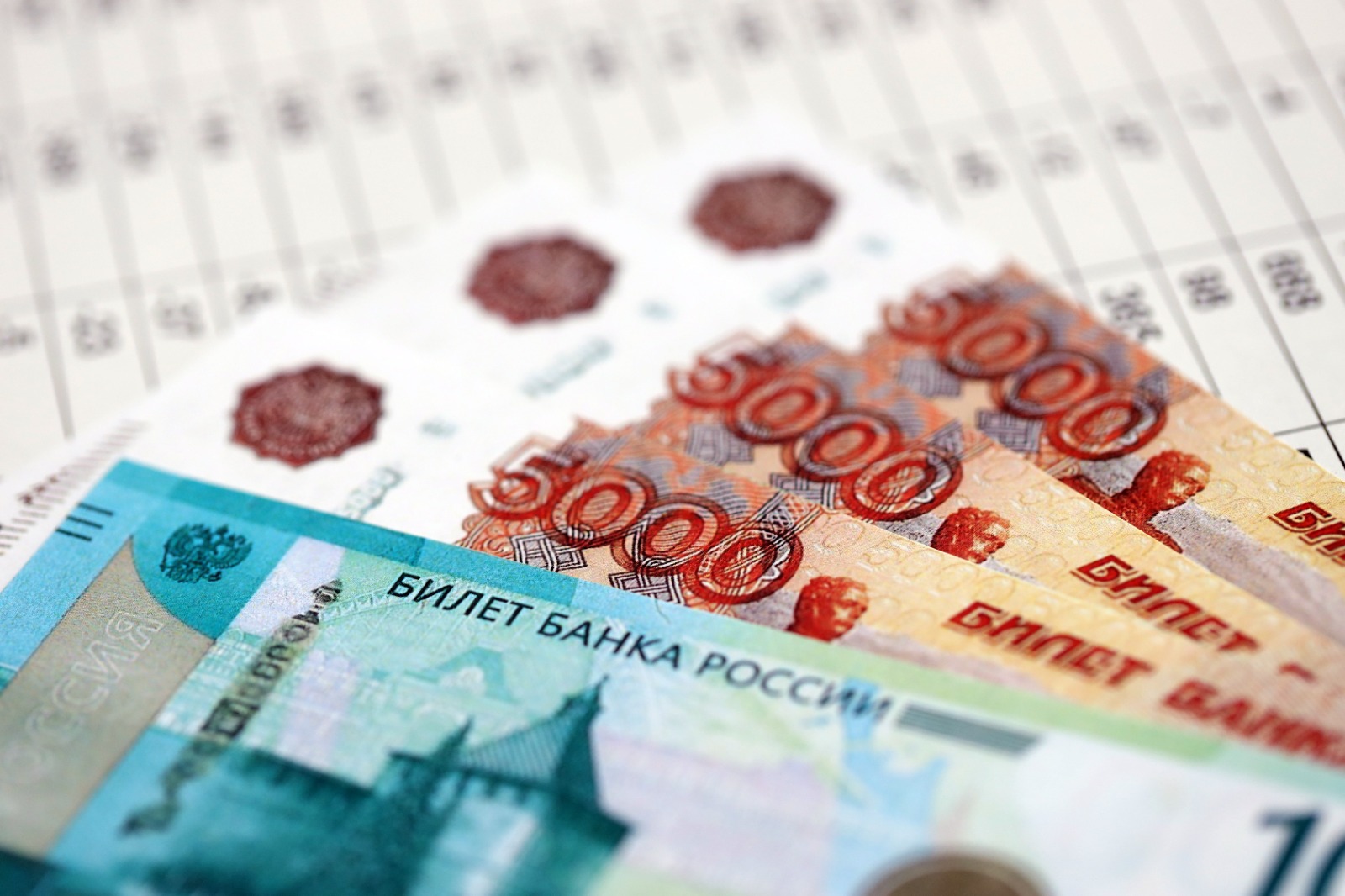
Russian rubles. Shutterstock/Mehaniq
Report a correction
Aldrenor is committed to accuracy and accountability.