The central bank increased the cash rate by 25 basis points to 4.85%, its fifth increase this year. The decision was supported by six members of the nine-person monetary policy board, while three favoured leaving rates unchanged, a narrower vote than many economists had expected.
The RBA said it would continue to take the action it considered necessary to return inflation to target. However, it removed wording from its previous statement indicating that it was willing to raise rates further if required. Investors interpreted the change and the divided vote as signs that policymakers may be approaching a pause.
The decision followed stronger-than-expected inflation data for the third quarter, which showed underlying price pressures remained elevated. Thirty of 32 economists surveyed by Reuters had expected a rate increase, while financial markets had also assigned a high probability to a further tightening.
Higher interest rates are intended to restrain demand by increasing borrowing costs for households and businesses. The effects are likely to be felt through mortgage repayments, consumer spending, business investment and credit conditions. The policy challenge is that monetary tightening takes time to work through the economy, while households are already contending with elevated living costs.
The board’s division also reflects uncertainty over the balance of risks. Some members placed greater weight on the possibility that inflation could remain persistent, while dissenting members were more concerned about downside risks, including weaker housing conditions and rising unemployment.
The Australian dollar slipped after the announcement, while markets increased expectations that the RBA would leave rates unchanged at its December meeting.
For policymakers, the next phase will depend on whether inflation shows convincing signs of easing without a sharper deterioration in employment or household demand. Tuesday’s decision reinforces the bank’s determination to contain price growth, but the split vote suggests the threshold for another increase may now be higher.
RBA Lifts Rates to 18-Year High as Split Vote Signals Caution Over Further Tightening
SYDNEY, Australia, 3 November 2026 — The Reserve Bank of Australia raised its benchmark interest rate to an 18-year high on Tuesday, extending its tightening campaign as persistent inflation pressures outweighed concerns about a weakening labour market and slowing housing activity.
By Staff Writer
Updated about 3 hours ago··12 views
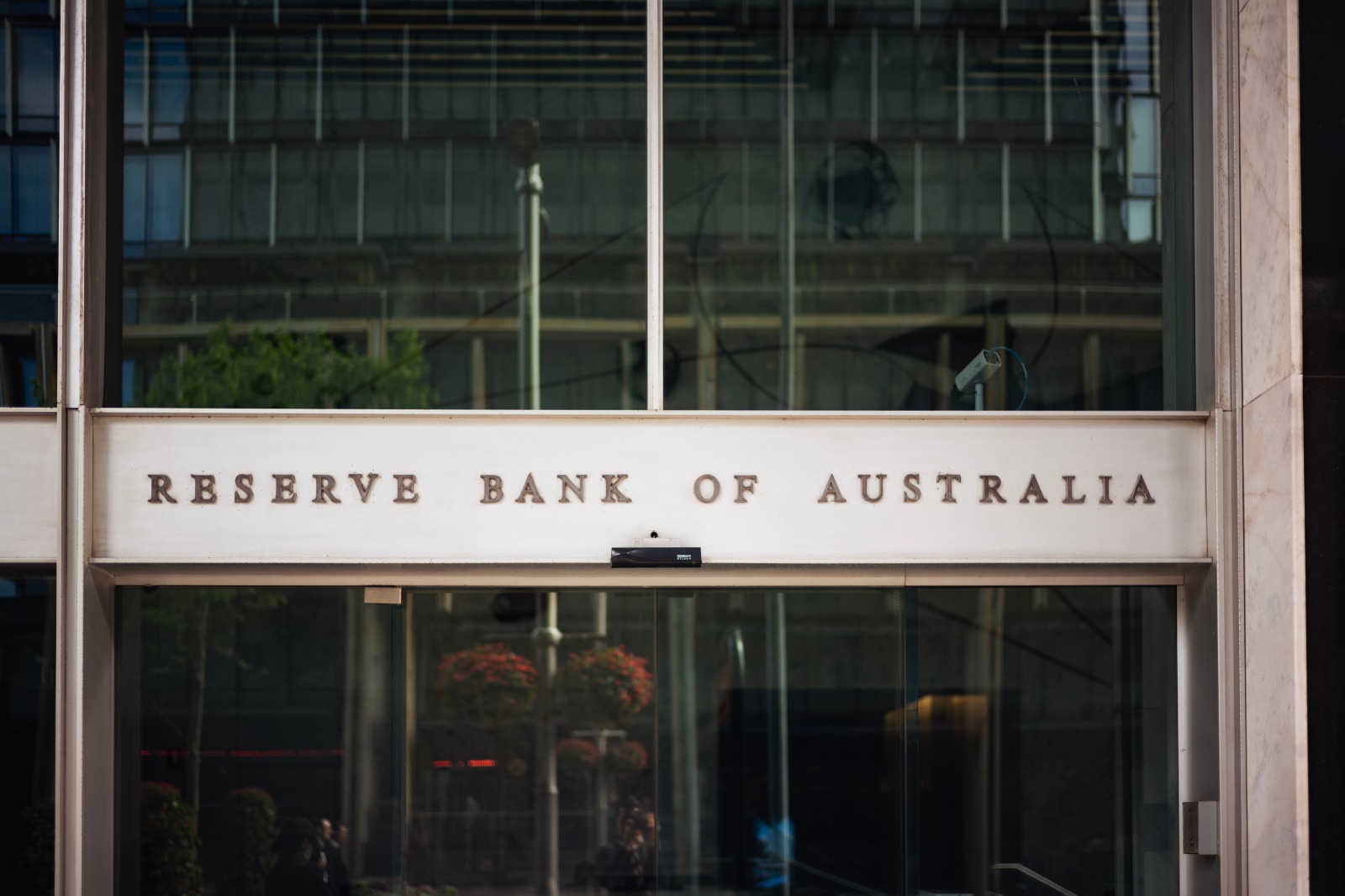
The main entrance to the headquarters of the Reserve Bank of Australia in Martin Place, Sydney. Shutterstock/khyim
Report a correction
Aldrenor is committed to accuracy and accountability.