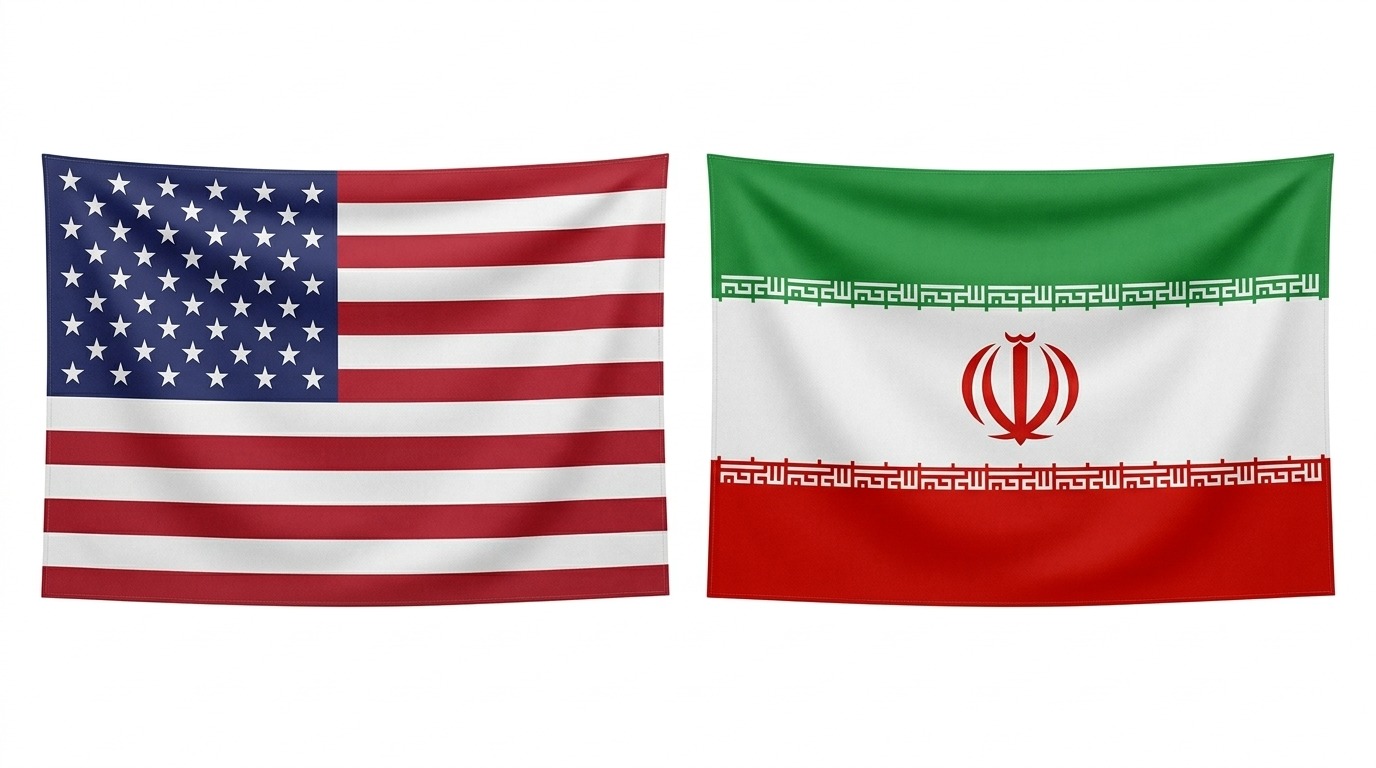
US and Iranian officials spoke separately with mediators on Monday as part of renewed efforts to reach an agreement after months of conflict. According to officials cited by Reuters, further discussions are expected to focus on an amended version of a seven-day proposal presented by Iran the previous week during the United Nations General Assembly.
The renewed contacts come after two previous mediated ceasefire agreements in April and June failed to hold. The conflict has continued to affect global markets because of the importance of Middle Eastern waterways to international energy supplies.
The Strait of Hormuz remains central to the economic consequences of the conflict. The waterway is a major route for global oil and gas shipments, meaning uncertainty over its operation has contributed to higher energy prices and increased volatility across commodity markets.
Brent crude has remained above $106 a barrel amid uncertainty over the outcome of the diplomatic process and the possibility of continuing supply disruption. Higher oil prices are increasing costs for refiners, transport companies, manufacturers and consumers in energy-importing economies.
Gulf markets have also responded to developments surrounding the talks. Investors are closely monitoring the potential effects of any improvement or deterioration in US-Iran relations on regional economic activity, energy exports and investor confidence.
The diplomatic process therefore carries implications extending beyond the immediate political negotiations. A sustained reduction in tensions could improve expectations for energy supply and reduce some of the risk premium embedded in oil prices. Conversely, renewed disruption could prolong pressure on energy markets and increase inflationary risks in major economies.
For governments and companies, the uncertainty reinforces the importance of alternative supply arrangements and contingency planning. Energy-importing countries may face continued pressure to secure supplies, while shipping and logistics companies remain exposed to changes in route availability and insurance costs.
Financial markets are likely to remain sensitive to developments in the negotiations because any credible progress could alter expectations for oil prices, inflation and monetary policy.
The immediate focus will therefore remain on whether the renewed mediation produces a durable framework for reducing the conflict and restoring greater stability to regional energy flows.