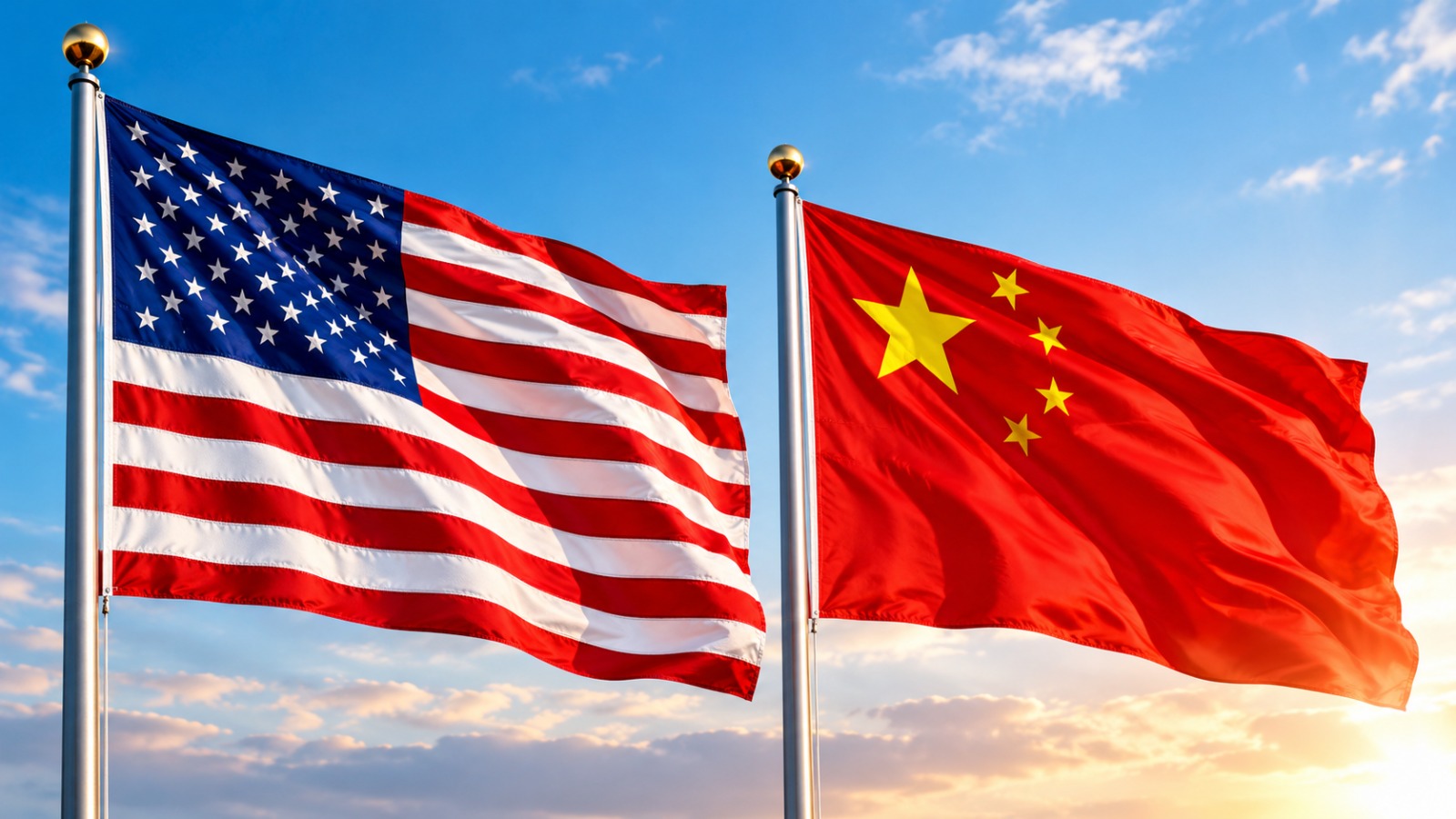
The summit comes after US Treasury Secretary Scott Bessent said Washington and Beijing had agreed to extend their existing trade truce until January 10, giving negotiators additional time to pursue a broader economic arrangement. The agreement had previously been due to expire in November.
The extension temporarily reduces the risk of an immediate return to the sharp tariff escalation that previously disrupted global supply chains. The original agreement followed a period of tit-for-tat measures in which tariffs on goods traded between the two countries rose sharply.
Trade remains only one element of the wider relationship. The two governments are also dealing with disputes over advanced technology, artificial intelligence, critical minerals and China's role in global supply chains.
Rare earths are particularly important because China maintains a dominant position across mining, refining and production of rare-earth materials used in sectors ranging from electronics and electric vehicles to aerospace and defence.
Agricultural trade and aircraft purchases are also among the commercial issues being watched by markets, while both sides have incentives to avoid measures that could further disrupt investment and manufacturing networks.
The strategic dimension extends beyond economics. Taiwan, Iran and artificial intelligence are also expected to feature in the broader US-China relationship, making the summit significant for businesses assessing geopolitical risks alongside conventional trade policy.
For global manufacturers, retailers and technology companies, continued stability between Washington and Beijing could provide greater visibility over sourcing, production and investment plans. Conversely, renewed tariff or technology restrictions could increase costs and encourage companies to diversify supply chains.
The truce therefore provides additional negotiating space rather than resolving the structural differences between the two economies. Businesses and investors are likely to monitor whether the summit produces concrete commitments on trade and technology or simply extends the period of uncertainty.
The outcome could influence global supply chains, commodity demand and corporate investment decisions well beyond the United States and China.