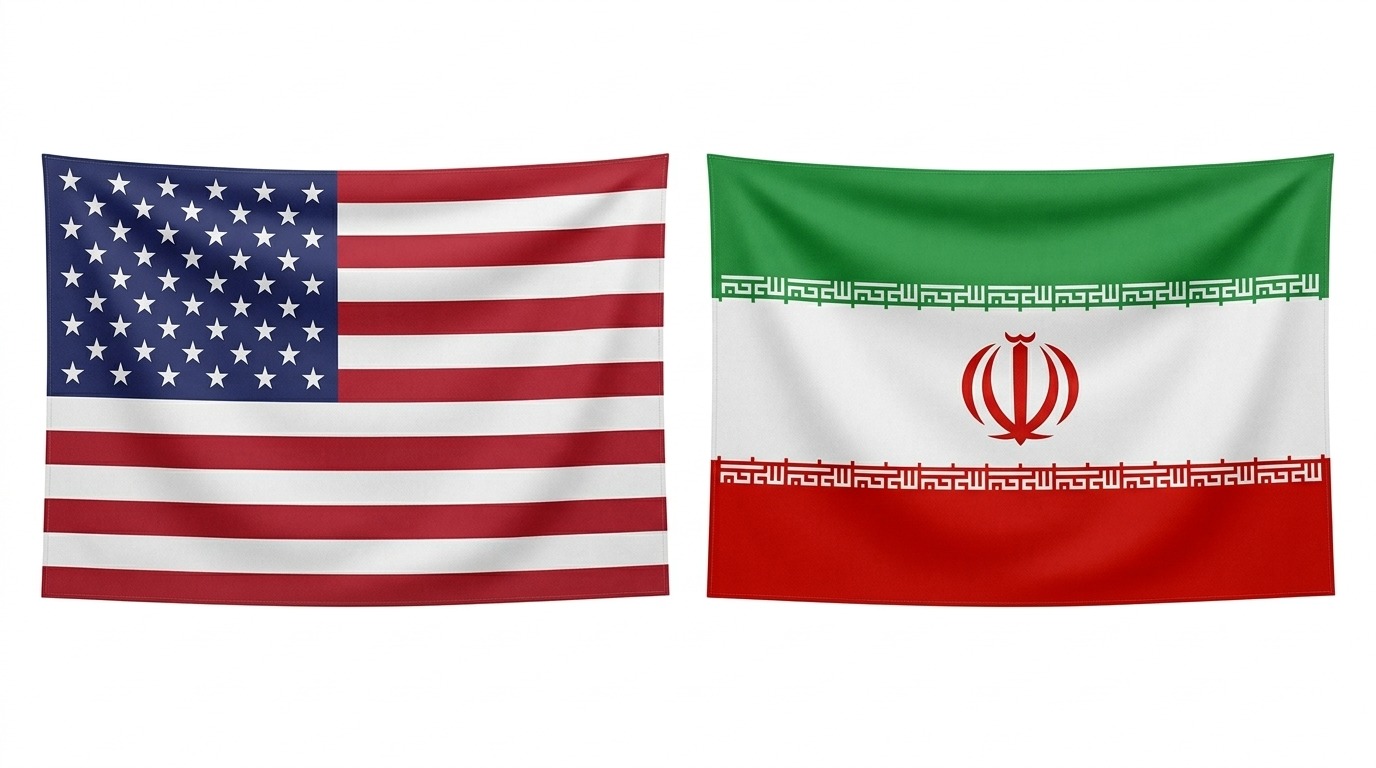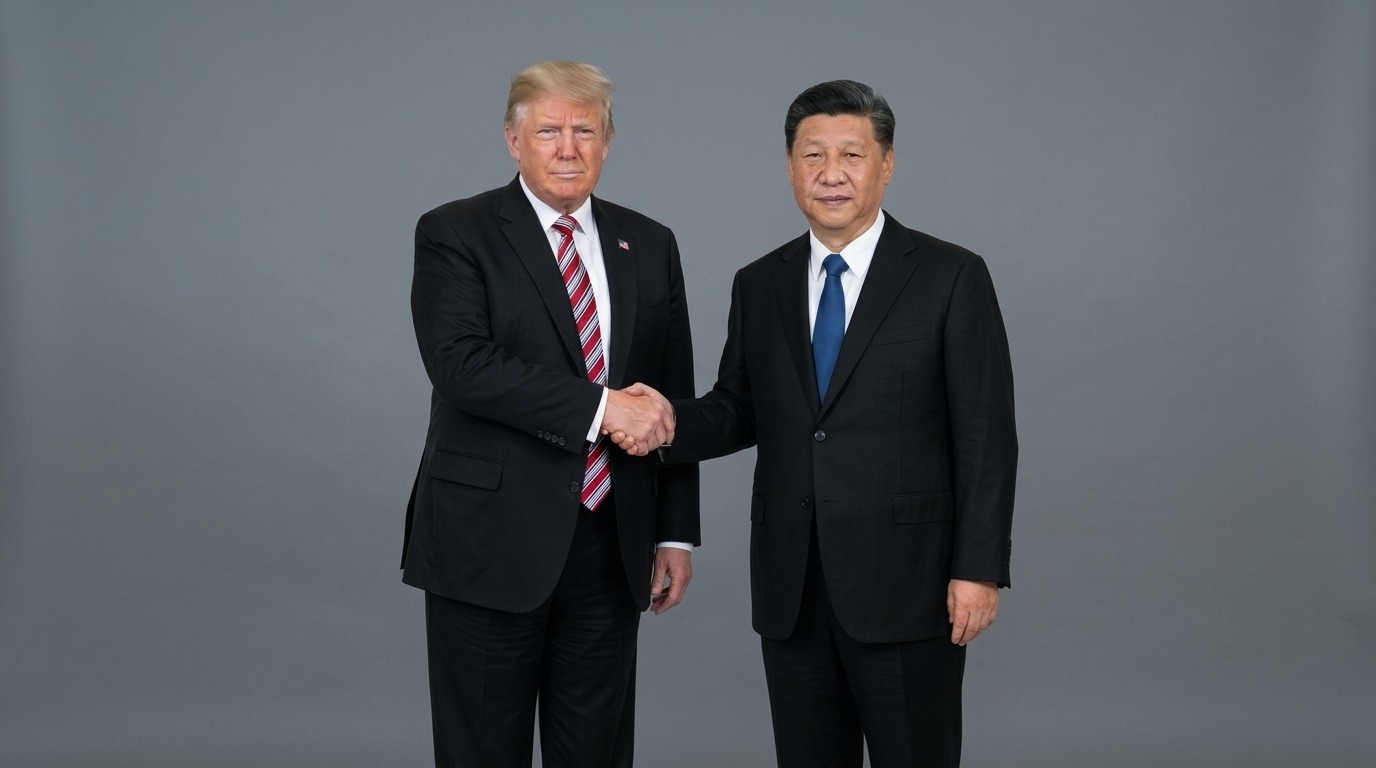
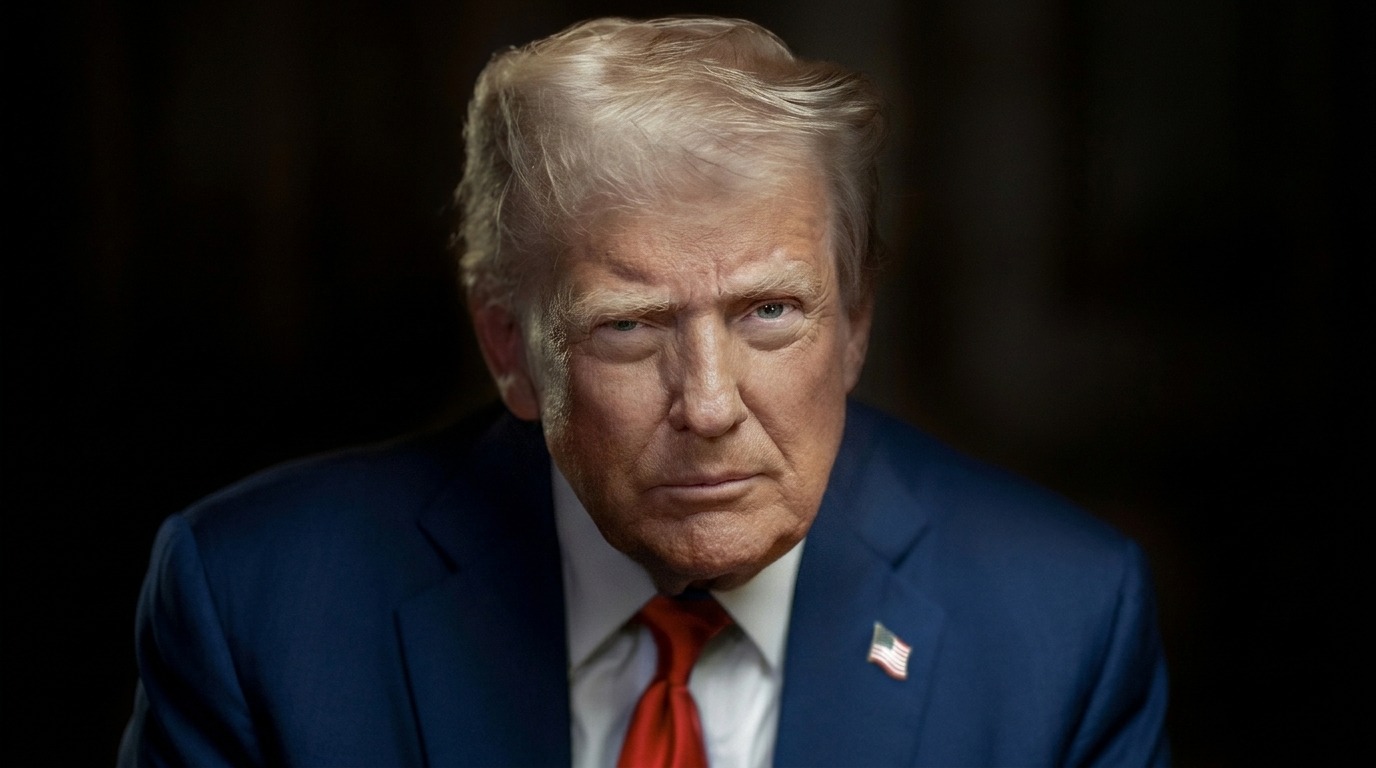
US President Donald Trump has said discussions involving his representatives and Iranian mediators have made progress and that an agreement could be reached. At the same time, his public statements have included threats of further escalation if a settlement is not achieved, underscoring the uncertainty surrounding the diplomatic process.
Markets have responded primarily through the oil market. Brent crude has fallen for six consecutive sessions and moved below $100 a barrel as investors assessed the possibility of improved Gulf supply and reduced disruption to regional shipping.
Saudi Arabia has restarted its East-West Pipeline following the disruption caused by drone attacks, while markets are monitoring the possibility of renewed exports through the Red Sea port of Yanbu. These developments have reduced some of the immediate supply risk premium embedded in crude prices.
The Strait of Hormuz remains central to the outlook. Iran has previously signalled conditions under which the strategic shipping route could be reopened, while the United States continues to exert military and economic pressure on Tehran.
A sustained improvement in regional energy flows would have consequences beyond the oil market. Lower crude prices could reduce transportation and production costs, ease inflationary pressure and give central banks greater flexibility in setting interest rates.
However, the economic benefits of any diplomatic progress would depend on the durability of an agreement and the restoration of reliable energy shipments. The conflict has already demonstrated how quickly attacks on infrastructure and shipping routes can disrupt commodity markets.
Investors are therefore treating diplomatic developments as an important but uncertain market variable rather than assuming that a settlement is imminent.
The United Nations General Assembly is providing an important diplomatic setting, with Iranian President Masoud Pezeshkian addressing the assembly and markets watching for further contact between the two sides.
For energy-importing economies and global businesses, the possibility of de-escalation could reduce some of the immediate pressure created by elevated oil prices. Until concrete arrangements are reached, however, supply security and geopolitical risk are expected to remain important drivers of energy and financial markets.