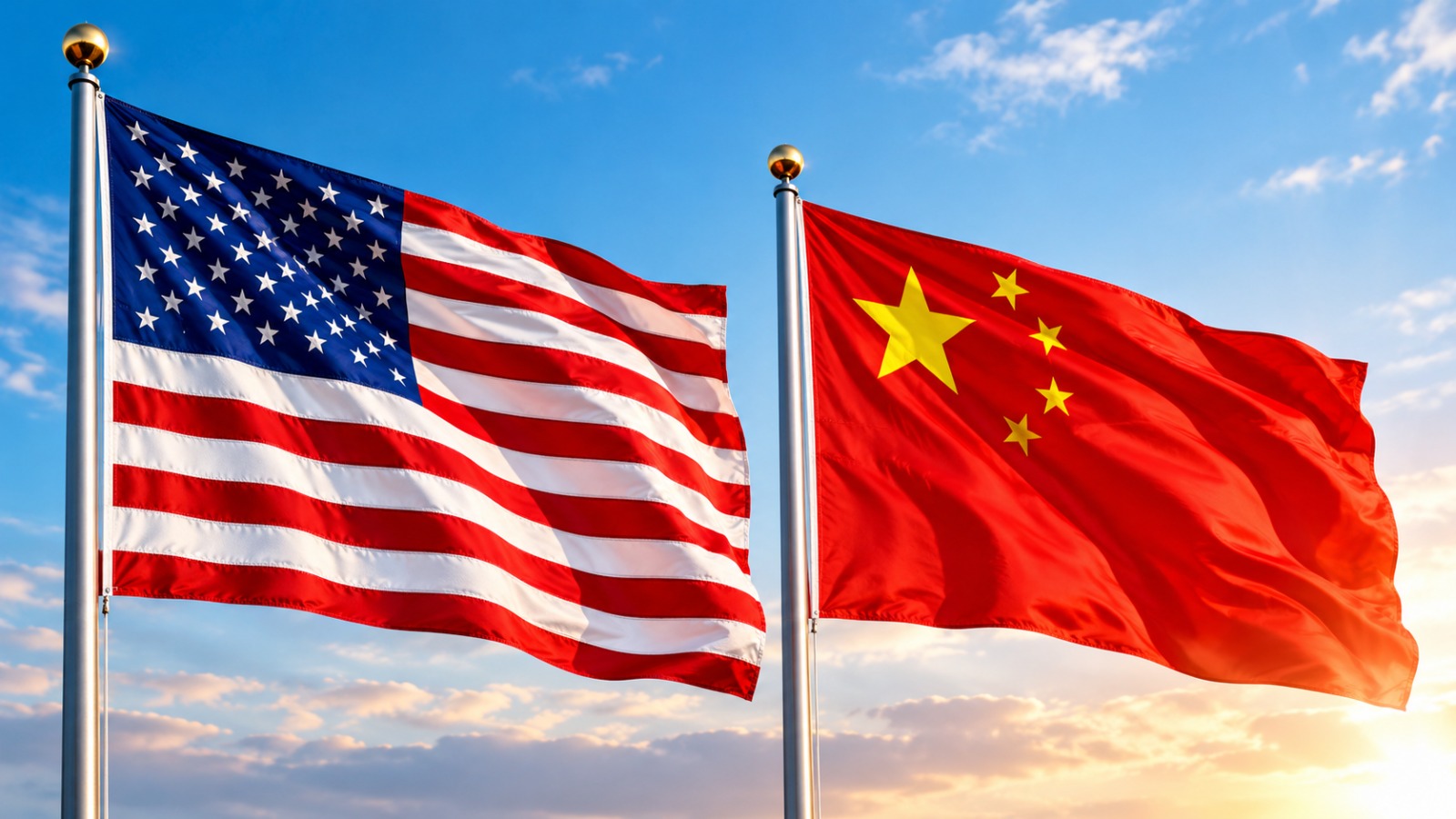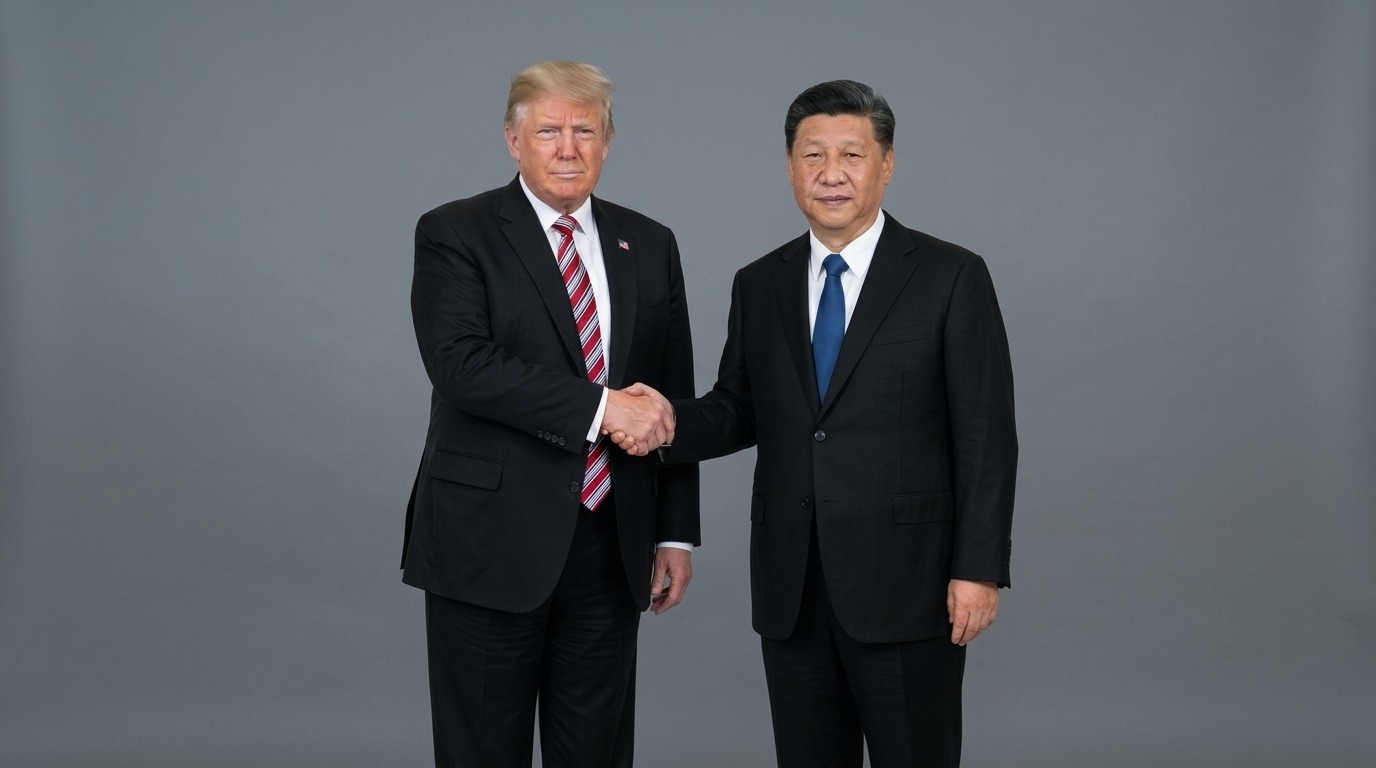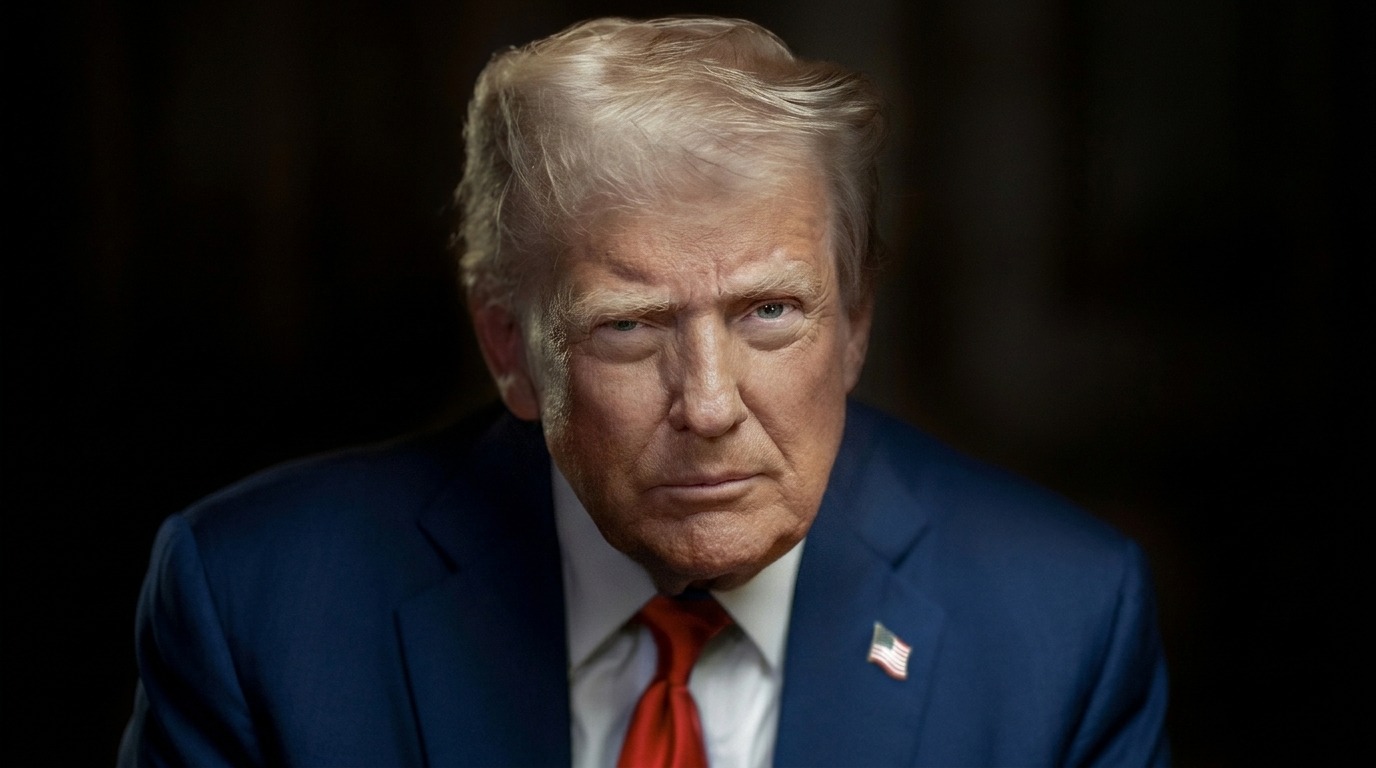
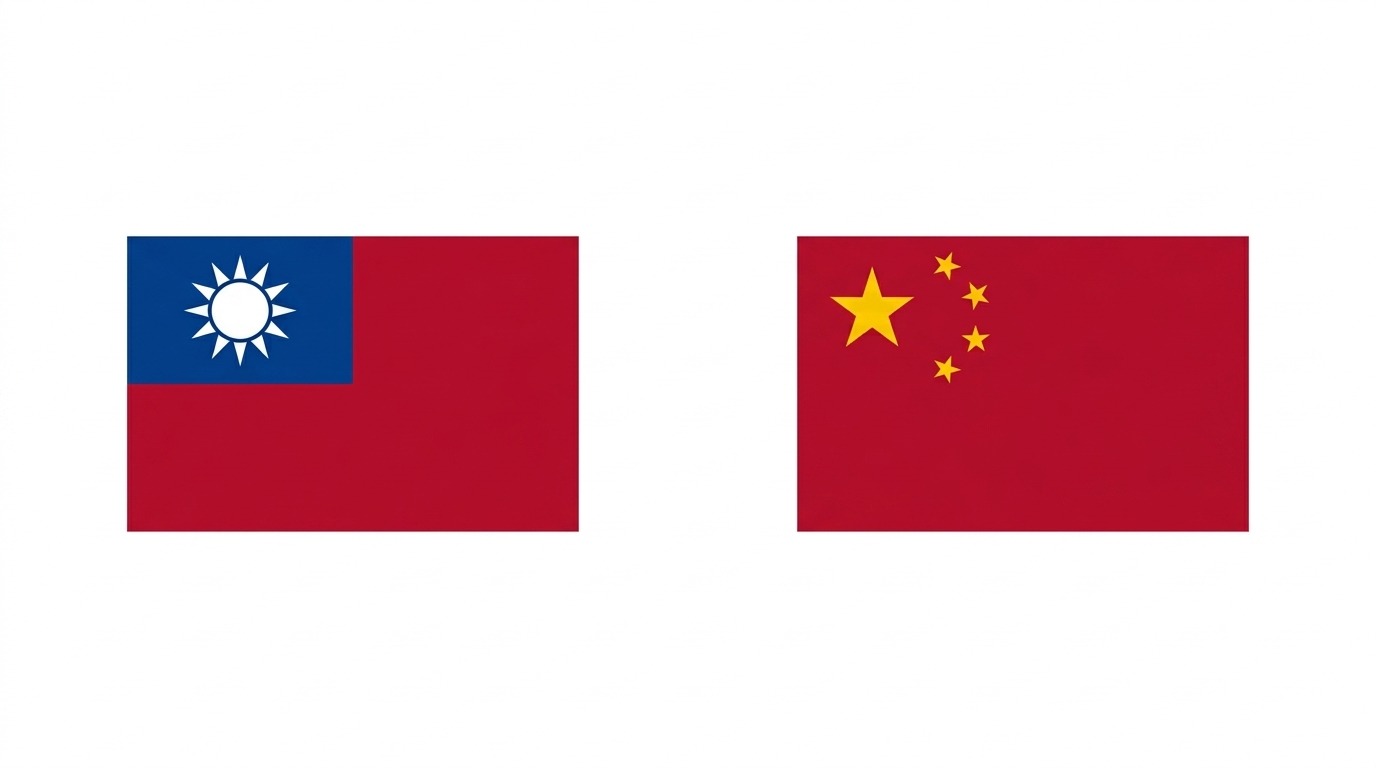
Taiwan’s foreign ministry said Xi’s comments represented what it described as a distortion of the facts and maintained that decisions concerning Taiwan’s future should be made by its people. The statement followed Xi’s remarks to Trump in Washington that China’s position on national reunification and territorial integrity was clear and that he hoped the United States would oppose Taiwan independence.
China claims Taiwan as its territory, while Taiwan’s government rejects Beijing’s sovereignty claim. The United States does not maintain formal diplomatic relations with Taiwan but remains its most important international partner and arms supplier.
The dispute has become an increasingly important element of the broader US-China strategic relationship. Beijing regards the Taiwan issue as one of its most sensitive national interests, while Washington has maintained policies supporting Taiwan’s ability to defend itself.
Taiwan’s government said its sovereignty belongs to its people and that Taiwan’s future should be determined through democratic processes. It also accused Beijing of contributing to regional instability through military activity around the island and in surrounding waters.
The exchange comes as Washington and Beijing seek to stabilise economic relations through an extension of their trade truce. The two governments have also discussed artificial intelligence, technology restrictions, critical minerals and other areas of strategic competition.
For businesses across Asia, developments around Taiwan carry implications extending beyond diplomacy. The island is central to global technology supply chains, particularly semiconductor manufacturing, while surrounding shipping routes are important to regional commerce.
Any increase in tensions could therefore affect investment decisions, supply-chain planning and corporate risk management across the technology and manufacturing sectors.
Japan and South Korea are also closely monitoring developments because of their economic and security relationships with both the United States and the wider Asian supply chain. Earlier this week, Washington reaffirmed its commitments to Japan and South Korea and emphasised the importance of stability across the Taiwan Strait.
The latest exchange does not alter the underlying positions of the parties, but it demonstrates how Taiwan remains intertwined with wider US-China negotiations.
For international businesses, the continuing dispute reinforces the importance of supply-chain diversification and contingency planning in Asia. For policymakers, managing economic engagement while preventing strategic disagreements from disrupting regional stability remains a central challenge in the US-China relationship.