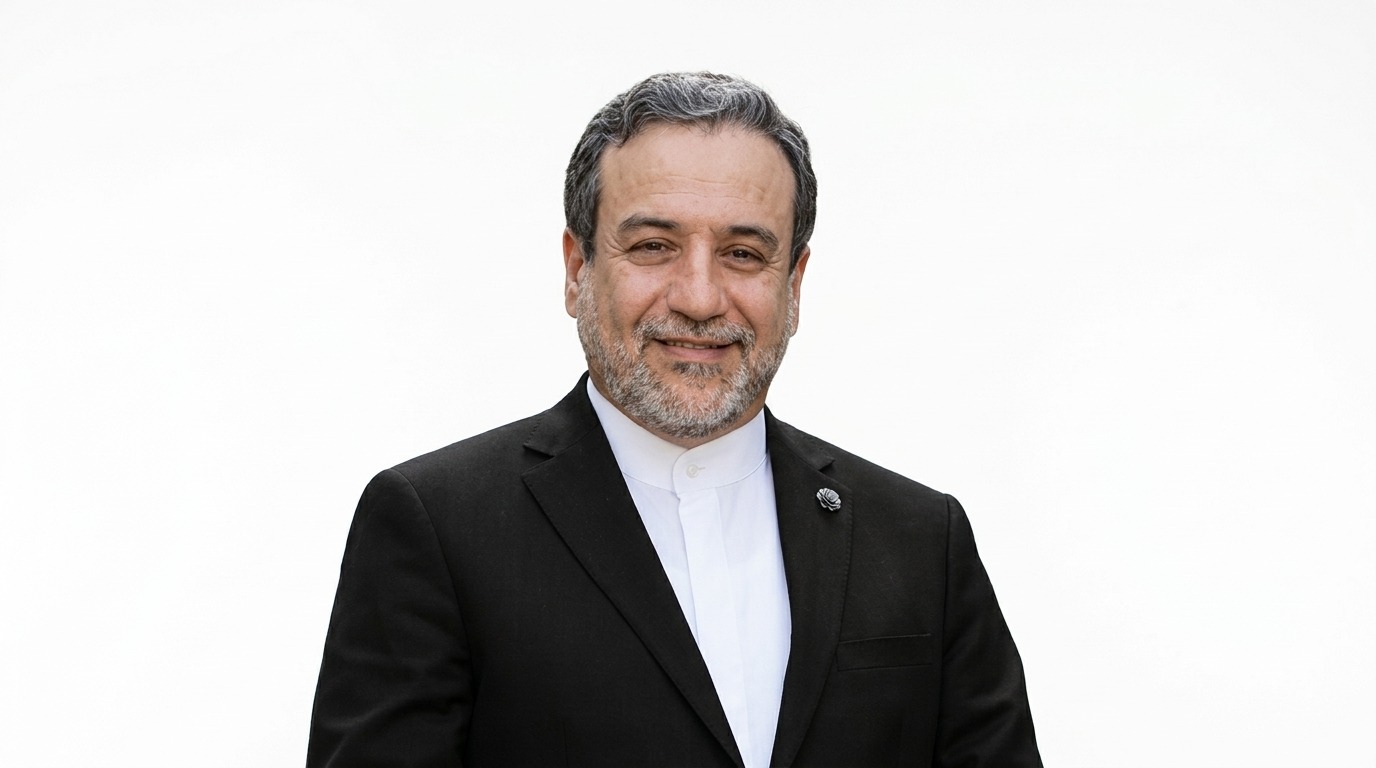
Iranian Foreign Minister Abbas Araqchi received the US feedback through Qatari intermediaries in Doha, according to an official briefed on the discussions. Araqchi was expected to review the response in Tehran on Wednesday.
The seven-day proposal was presented by Iran the previous week and is intended to establish reciprocal steps that could restore elements of an earlier memorandum of understanding reached in June.
According to the official cited by Reuters, the principal disagreement between the two sides concerns the sequencing of the proposed measures rather than their individual components.
The proposal includes provisions linked to Iran's nuclear programme and the Strait of Hormuz, one of the world's most important maritime routes for oil and gas shipments. Iranian officials have said normal maritime passage could be restored if the necessary conditions are met.
Qatar has continued to relay messages between Washington and Tehran as it seeks to bridge differences and revive a diplomatic process that previously produced a brief reduction in hostilities.
The diplomatic effort carries economic consequences well beyond the negotiating table. The Strait of Hormuz is central to global energy transportation, meaning any sustained disruption can affect oil prices, shipping costs, insurance premiums, and the availability of refined products.
Recent uncertainty around the talks has contributed to elevated oil prices, with Brent remaining above $100 a barrel. At the same time, Gulf producers have begun restoring some crude export capacity following earlier disruptions.
A durable reduction in tensions could therefore change expectations for global energy supply and reduce some of the geopolitical premium embedded in crude prices. A breakdown in diplomacy could have the opposite effect by reinforcing concerns about maritime security and supply continuity.
For governments and businesses, the negotiations also underline the importance of contingency planning. Energy importers, refiners and shipping companies remain exposed to changes in route availability and insurance costs.
The immediate focus will be whether Tehran and Washington can agree on the sequence of confidence-building measures and translate the Qatari-mediated exchange into substantive negotiations on the nuclear programme and maritime access.