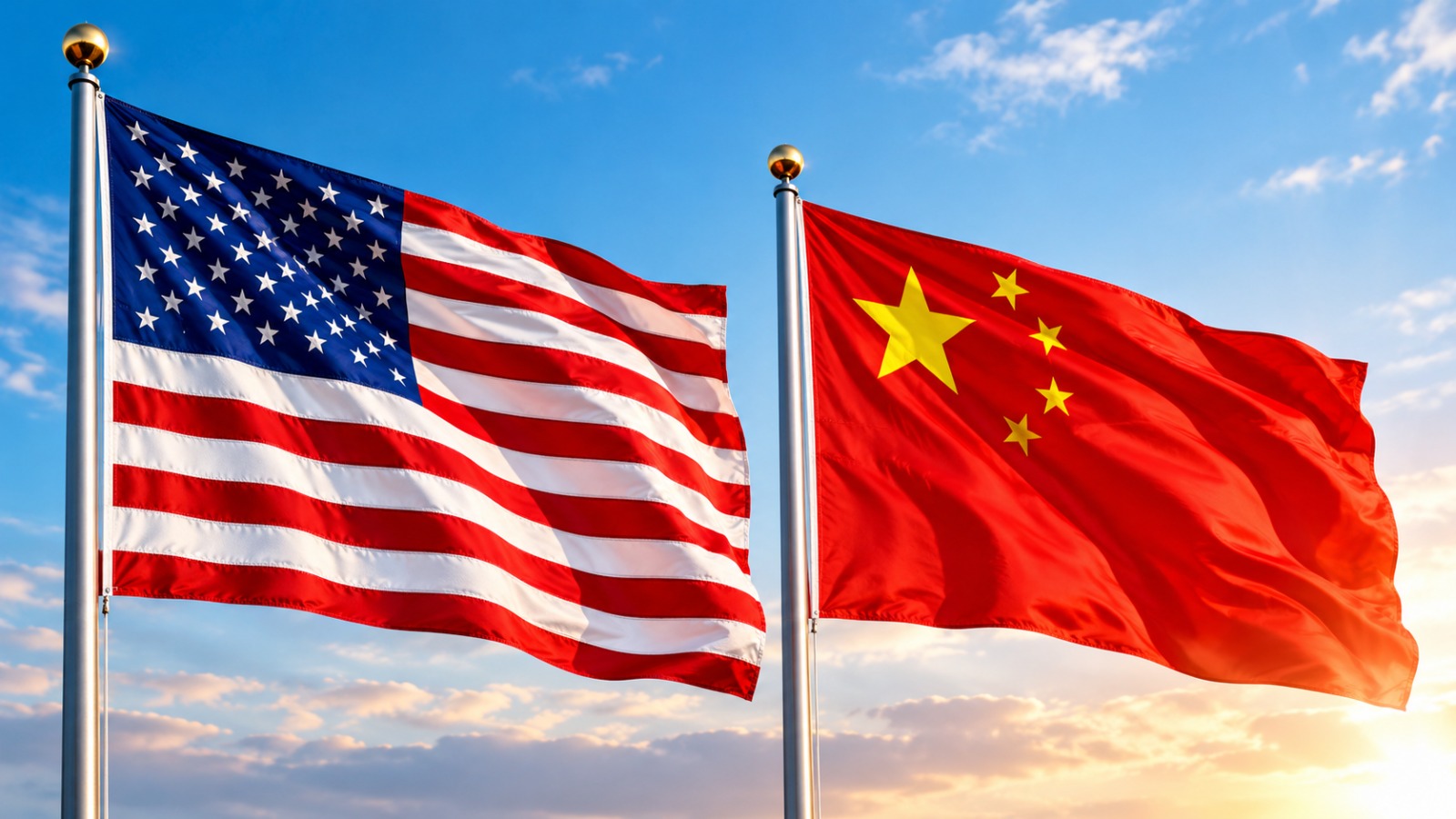
US Treasury Secretary Scott Bessent said the two countries had agreed to extend the arrangement, which had been due to expire on November 10, through January 10. The extension is intended to provide additional time for discussions on a potentially broader economic agreement.
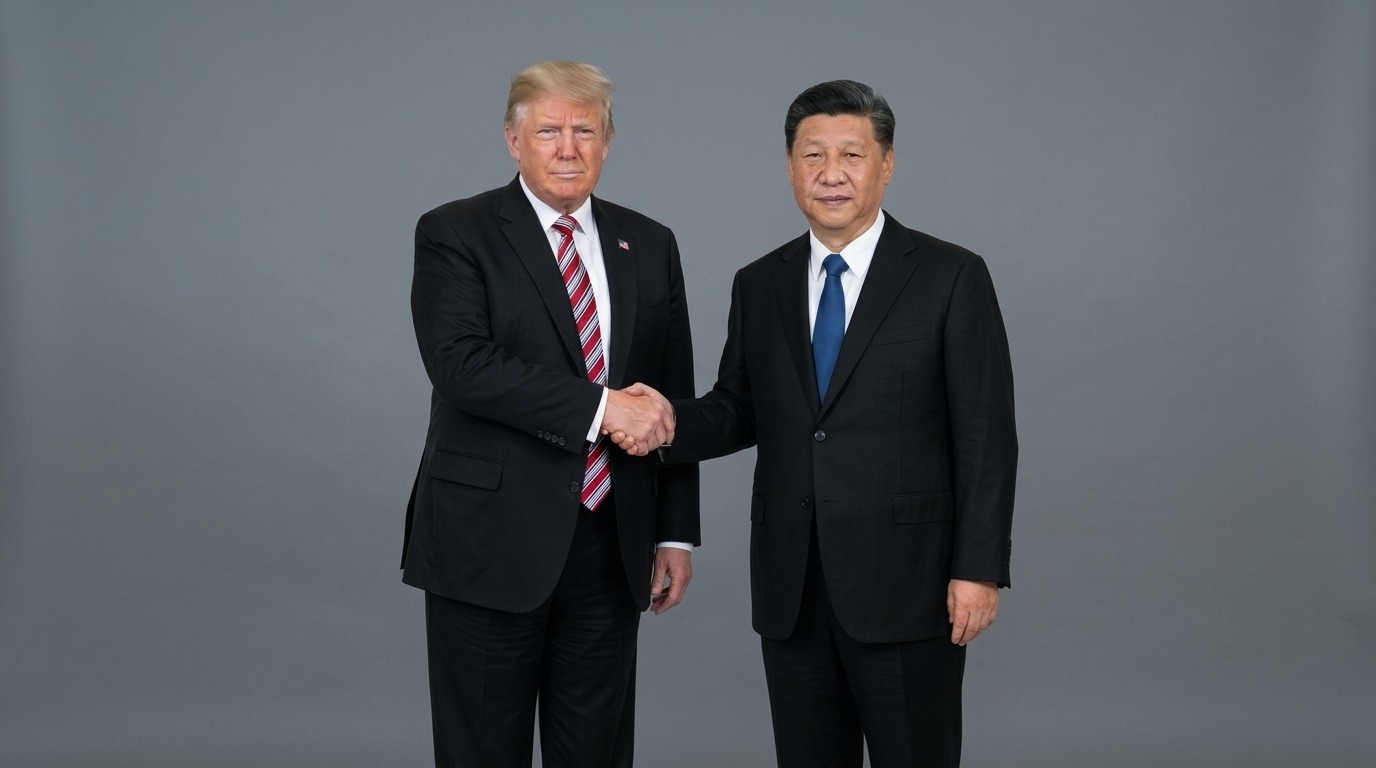
The agreement followed preparatory discussions between Bessent and Chinese Vice Premier He Lifeng ahead of President Donald Trump’s meeting with Chinese President Xi Jinping in Washington. The two sides have been exploring whether they can reach a broader arrangement rather than continue resolving individual trade disputes separately.
The existing truce has reduced some of the most severe tariff pressures that emerged during the earlier escalation in US-China trade relations. However, disagreements remain over market access, agricultural purchases, critical minerals and technology controls.
Artificial intelligence has emerged as another area of strategic importance. US and Chinese officials have discussed mechanisms for communicating about AI-related safety incidents, while Xi has called for greater cooperation between the two countries in the development and management of the technology.
Technology restrictions remain particularly sensitive because Washington and Beijing are competing for influence over advanced semiconductors, artificial intelligence and other strategic technologies. The two governments therefore face the challenge of maintaining commercial engagement while protecting what each considers critical economic and national-security interests.
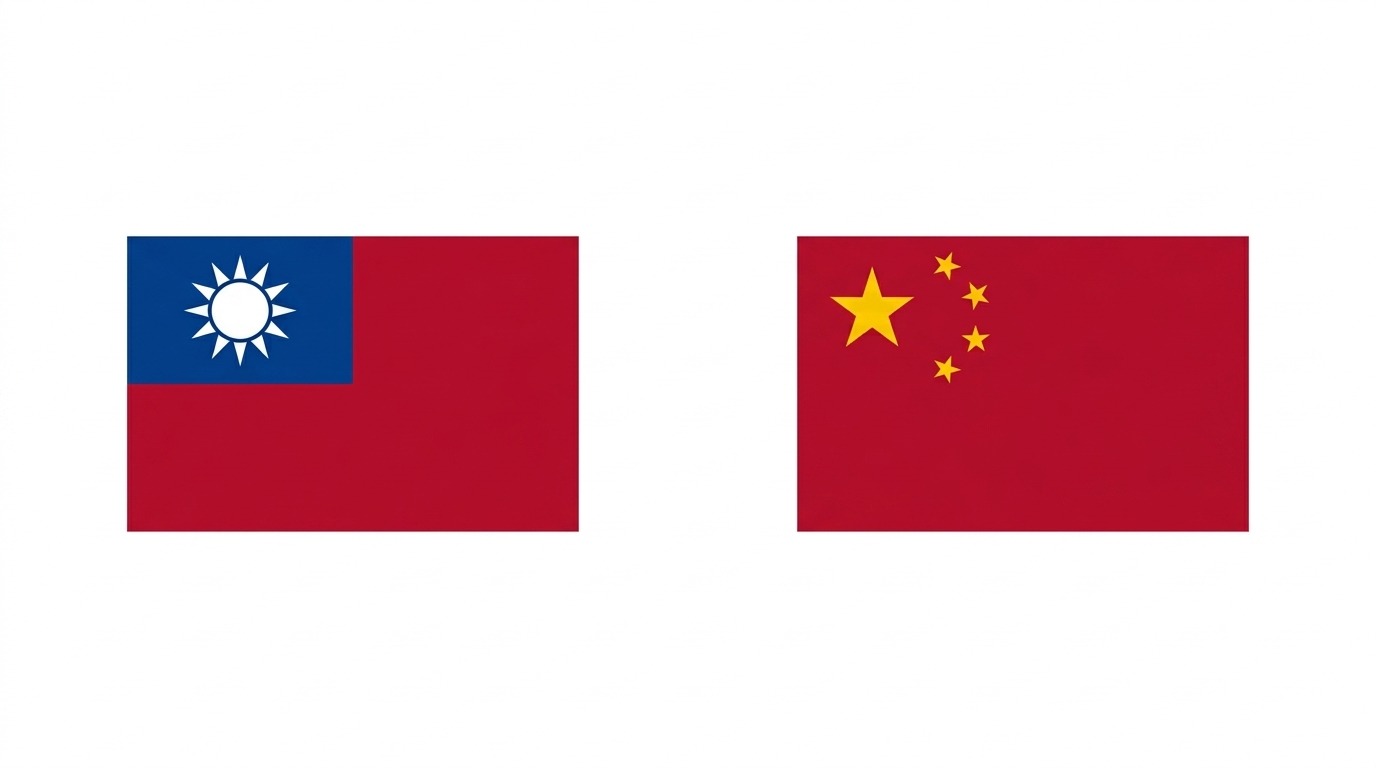
Taiwan remains another unresolved issue. Beijing continues to regard Taiwan as part of China, while Washington maintains longstanding ties with Taipei without formal diplomatic relations. Xi raised the issue during discussions with Trump, reinforcing its importance within the broader bilateral relationship.
The trade truce extension may provide companies with greater near-term visibility over tariffs and supply chains, but it does not eliminate the structural tensions shaping the relationship between the world’s two largest economies.
Businesses operating across the US and Chinese markets are likely to continue assessing supply-chain exposure, technology restrictions and potential changes in trade policy as negotiations continue.
For global markets, the extension reduces the immediate prospect of another rapid escalation in bilateral tariffs, while leaving longer-term uncertainty over technology and strategic competition.
The coming months are therefore likely to remain focused on whether Washington and Beijing can convert the temporary trade arrangement into a broader framework capable of managing economic competition while containing disputes in strategically sensitive areas.