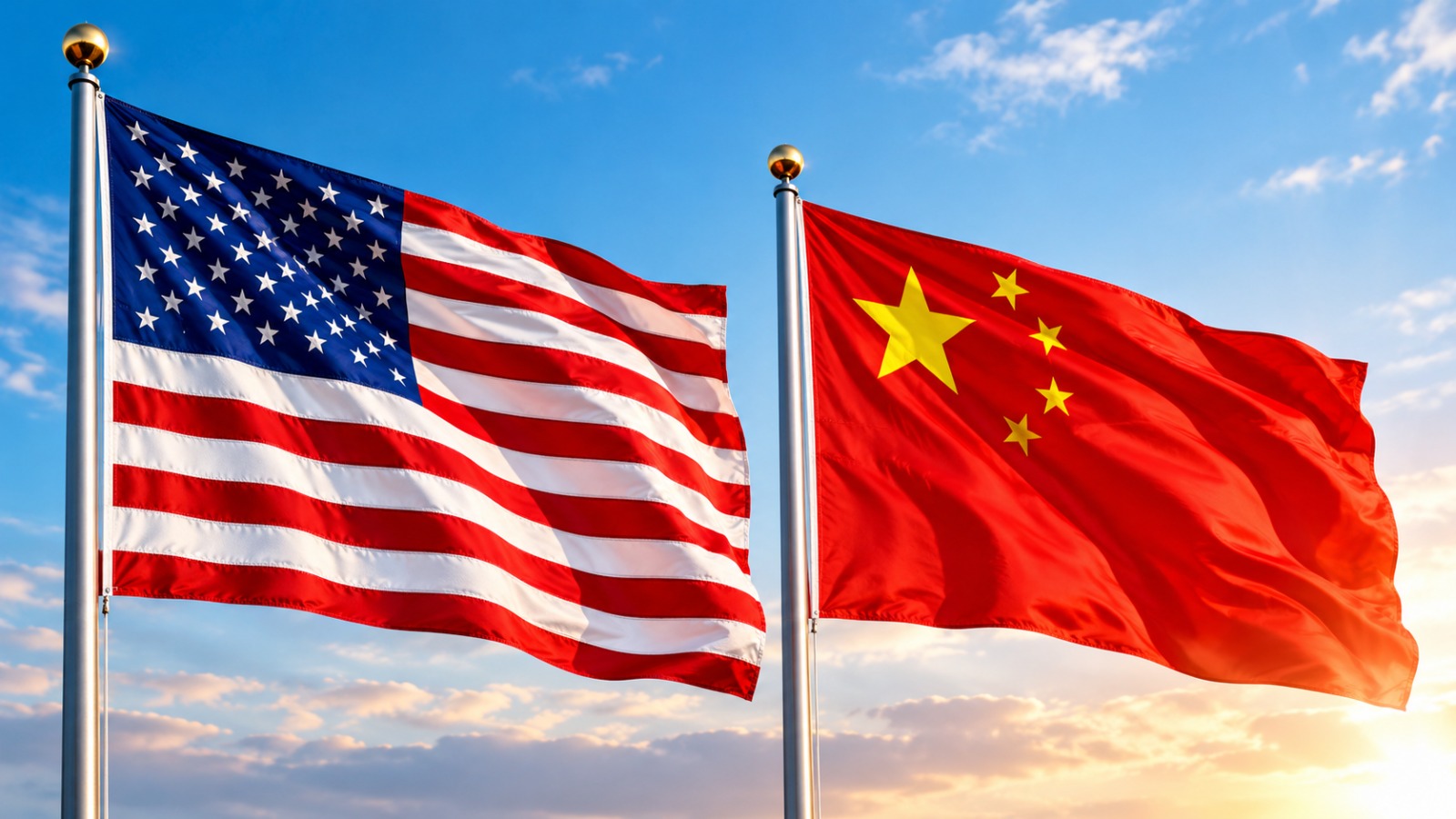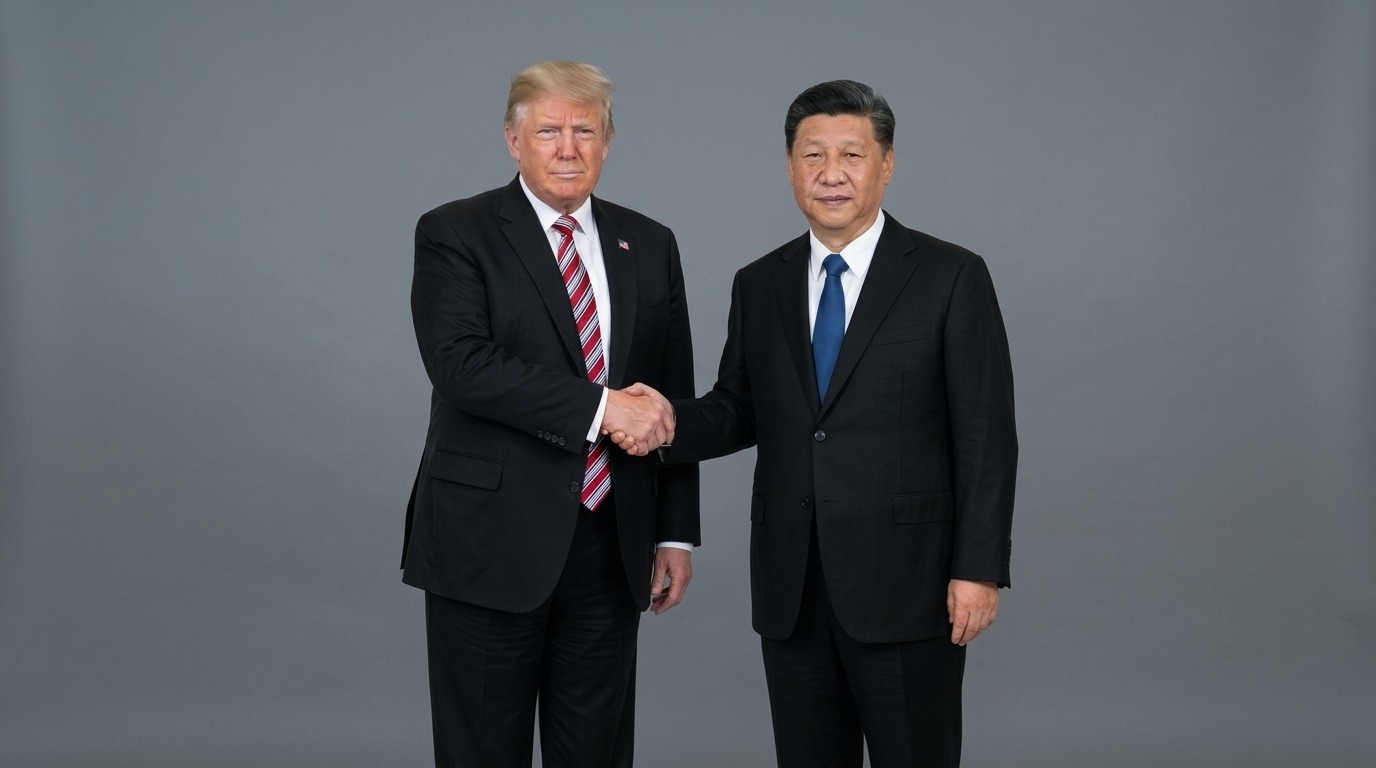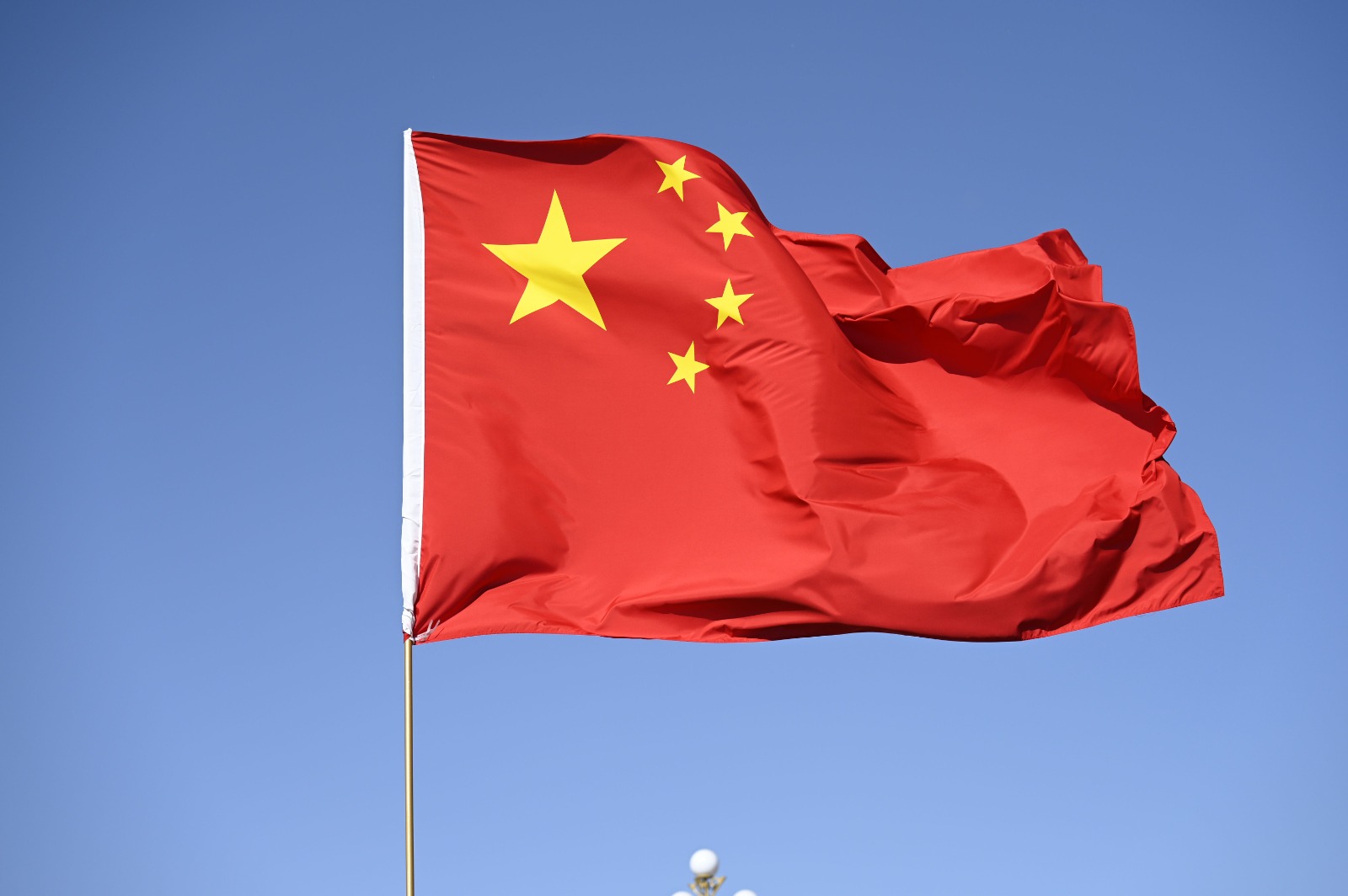
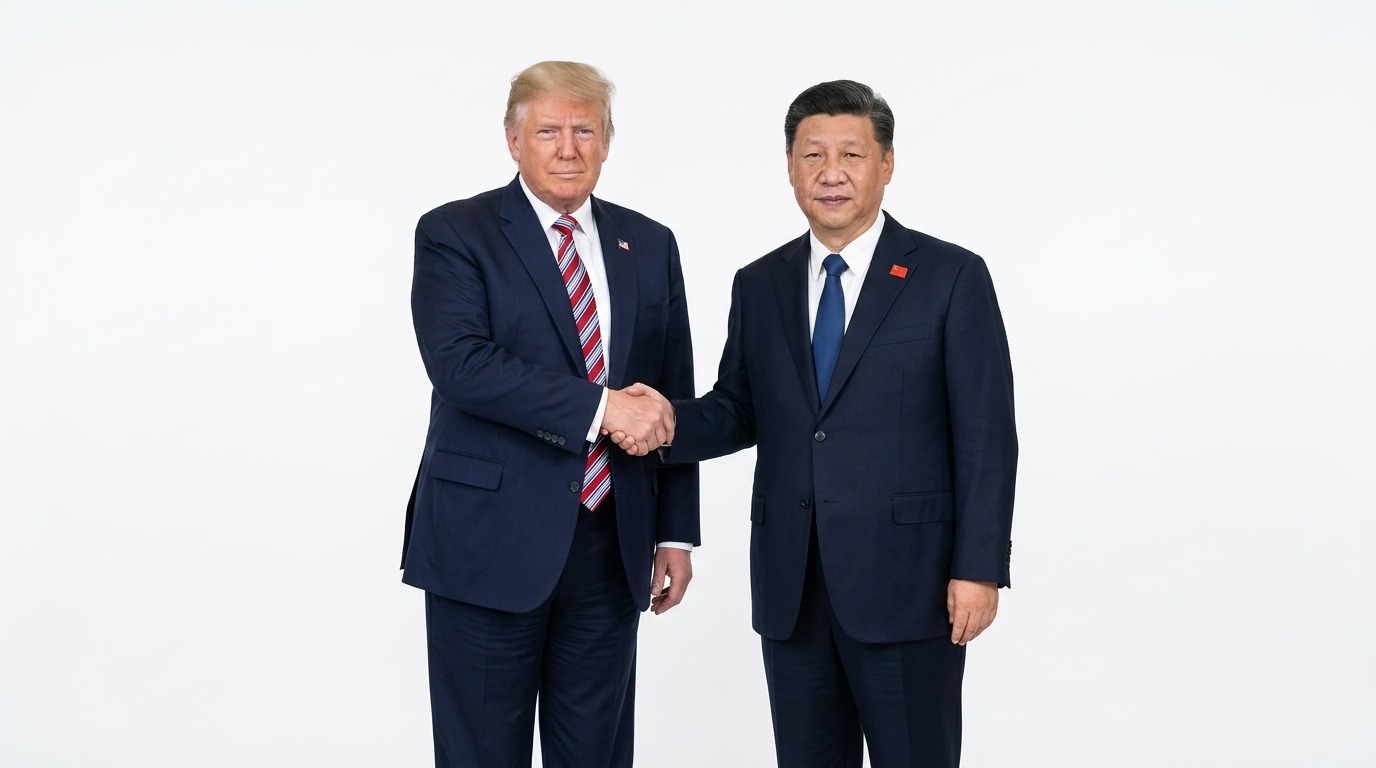
The leaders are scheduled to meet on September 24 for their second summit of the year. The discussions are expected to cover the future of the existing tariff truce, access to critical minerals, advanced technology restrictions and the two countries' increasingly competitive positions in artificial intelligence.
Trade remains a central issue for both governments. Washington is seeking greater access to Chinese supplies of rare earths and other critical minerals, while Beijing is pressing for relief from restrictions affecting access to advanced US technology.
The outcome of the discussions could influence global supply chains spanning electronics, electric vehicles, semiconductors, aerospace and industrial manufacturing. Businesses operating across both economies continue to monitor the negotiations for indications of whether trade tensions will ease or intensify.
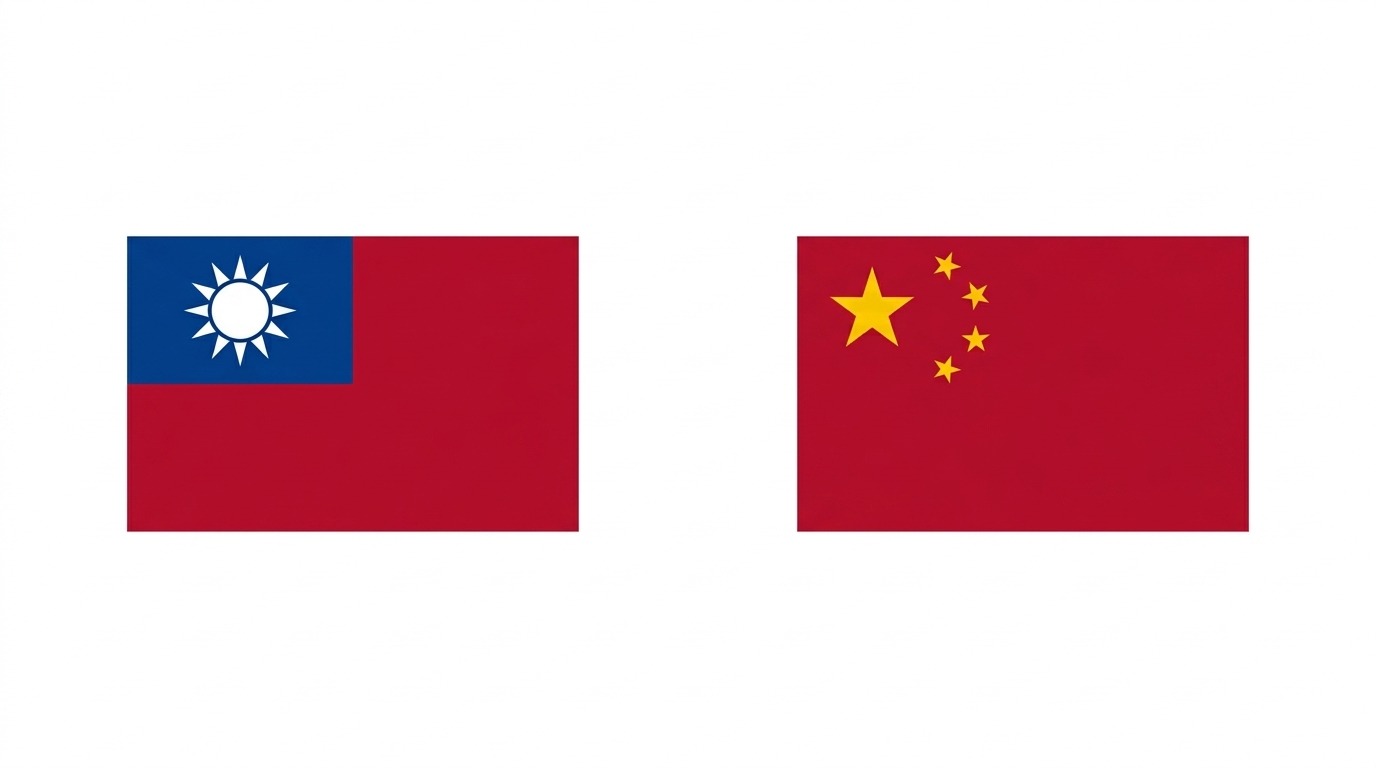
Taiwan is another sensitive issue. Beijing regards the island as part of China and has continued to oppose US military support for Taipei, while Washington remains Taiwan's principal international security partner.
The issue creates a significant geopolitical dimension to negotiations that also involve economic and technological interests. Any changes in US policy towards Taiwan could influence security calculations across East Asia and affect investment decisions involving regional manufacturing and technology supply chains.
Artificial intelligence is expected to provide another area of discussion. Both governments increasingly regard advanced AI as important to economic competitiveness and national security, while remaining divided over technology controls, advanced computing, and regulation.
Officials are also expected to discuss the risks associated with advanced AI systems and potential areas for cooperation, although significant differences remain between the two countries' approaches to regulation and technological development.
The talks come as the global economy continues to adjust to fragmented trade relationships and competing industrial policies. Companies are increasingly diversifying production networks to reduce exposure to tariffs, export controls and geopolitical disruptions.
For markets, the summit will be closely watched for signals on trade policy, technology restrictions and critical-mineral supplies. Any agreement that reduces uncertainty could influence corporate investment decisions, while a lack of progress could reinforce existing efforts to diversify supply chains.
The Washington meeting therefore carries significance beyond the bilateral relationship, with its outcome likely to affect global trade, technology investment and strategic competition between the world's two largest economies.