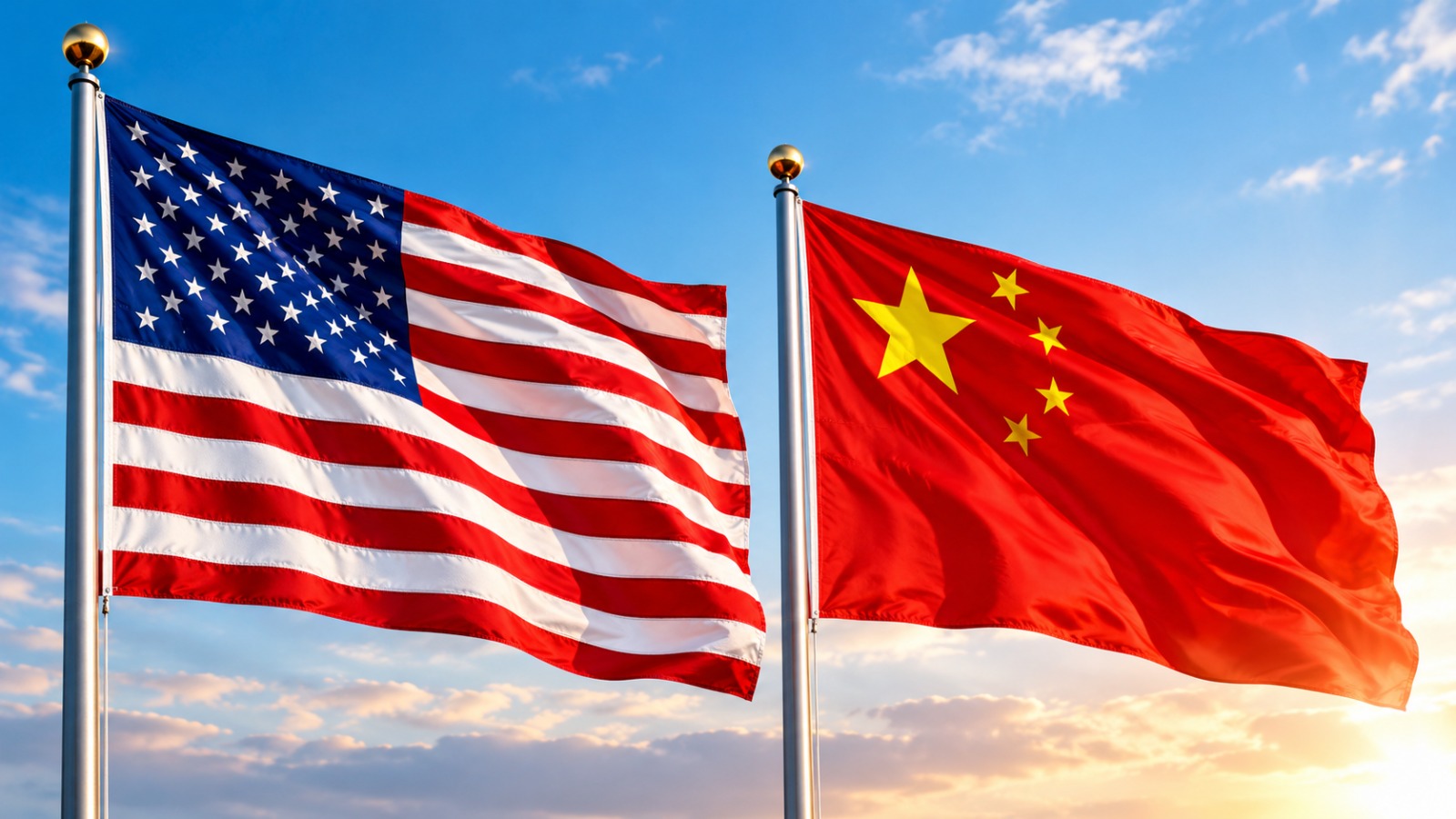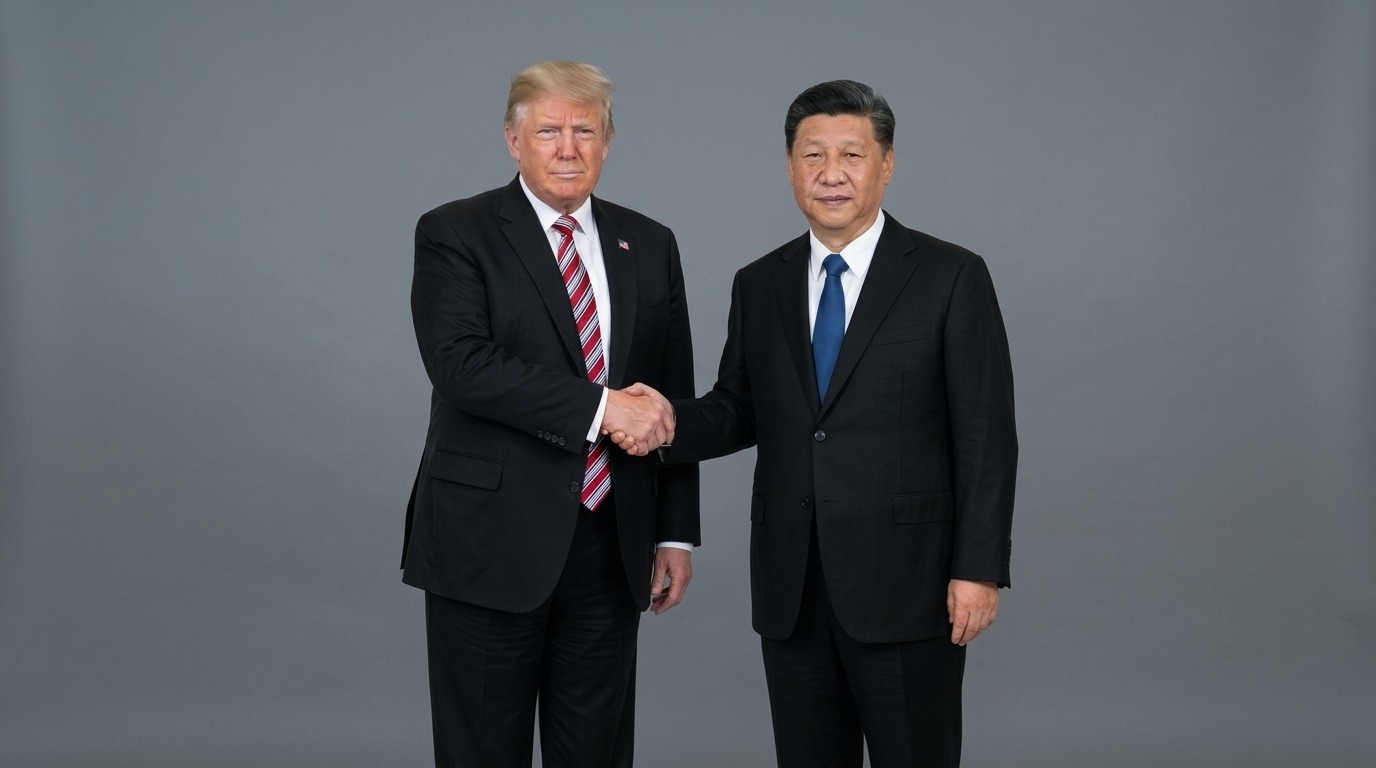
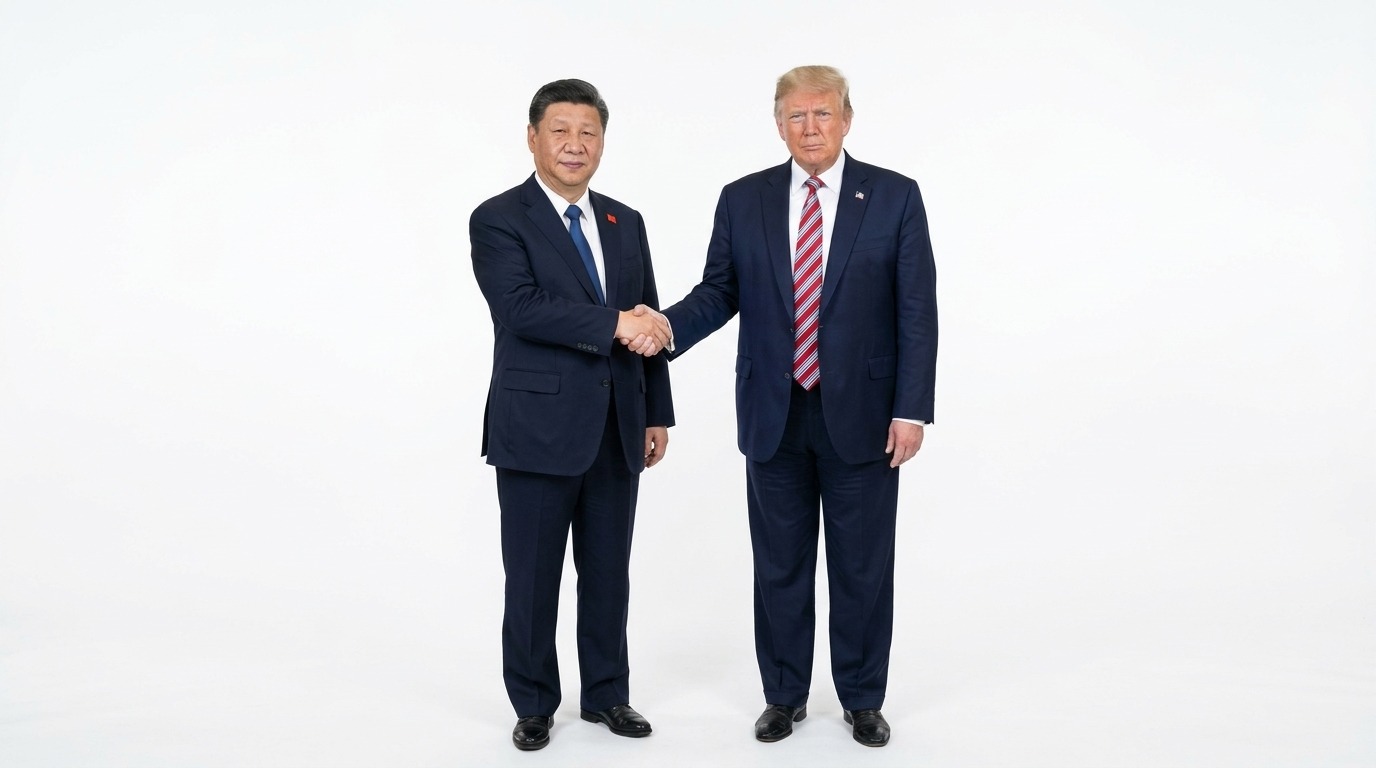
The summit is scheduled for September 23-25 in Washington after US Treasury Secretary Scott Bessent and Chinese Vice Premier He Lifeng concluded preparatory talks in New York. Discussions between the two sides have included trade, artificial intelligence, critical minerals and potential safeguards around AI-related risks.
The economic stakes extend beyond bilateral trade. US and Chinese companies remain deeply connected through global manufacturing, technology and commodity supply chains, while restrictions affecting semiconductors, critical minerals and advanced technology have implications for businesses across Asia, Europe and North America.
A central issue is the future of the existing trade truce, which is scheduled to expire in November. Any decision to extend or modify the arrangement could influence tariff expectations and corporate investment planning at a time when businesses are already restructuring supply chains to reduce exposure to geopolitical disruption.
Artificial intelligence has added another dimension to the relationship. Washington has proposed mechanisms for notifying both governments about AI safety and national-security risks, while technology competition remains closely connected to semiconductor controls and access to advanced computing infrastructure.
Critical minerals are also expected to remain important as manufacturers seek reliable access to materials used in electronics, batteries and advanced industrial equipment. The outcome of discussions could therefore affect investment decisions well beyond the technology sector.
Markets are approaching the summit with attention on practical policy signals rather than expectations of a comprehensive settlement. Any agreement affecting tariffs, semiconductor licensing, critical-mineral flows or AI governance could influence corporate supply-chain strategies.
For international businesses, the meeting comes as geopolitical fragmentation increasingly shapes investment and procurement decisions. The immediate focus will be on whether Washington and Beijing can maintain economic channels while managing competition in strategic technologies and supply chains.
The summit is therefore expected to provide an important indication of the direction of US-China economic relations and the potential stability of global trade during the remainder of the year.