Brent crude reached a four-month high of almost $110 a barrel during Friday's trading session before retreating, while U.S. West Texas Intermediate remained close to the $100 threshold. The latest move reflects a sharp increase in the geopolitical risk premium embedded in global oil prices.
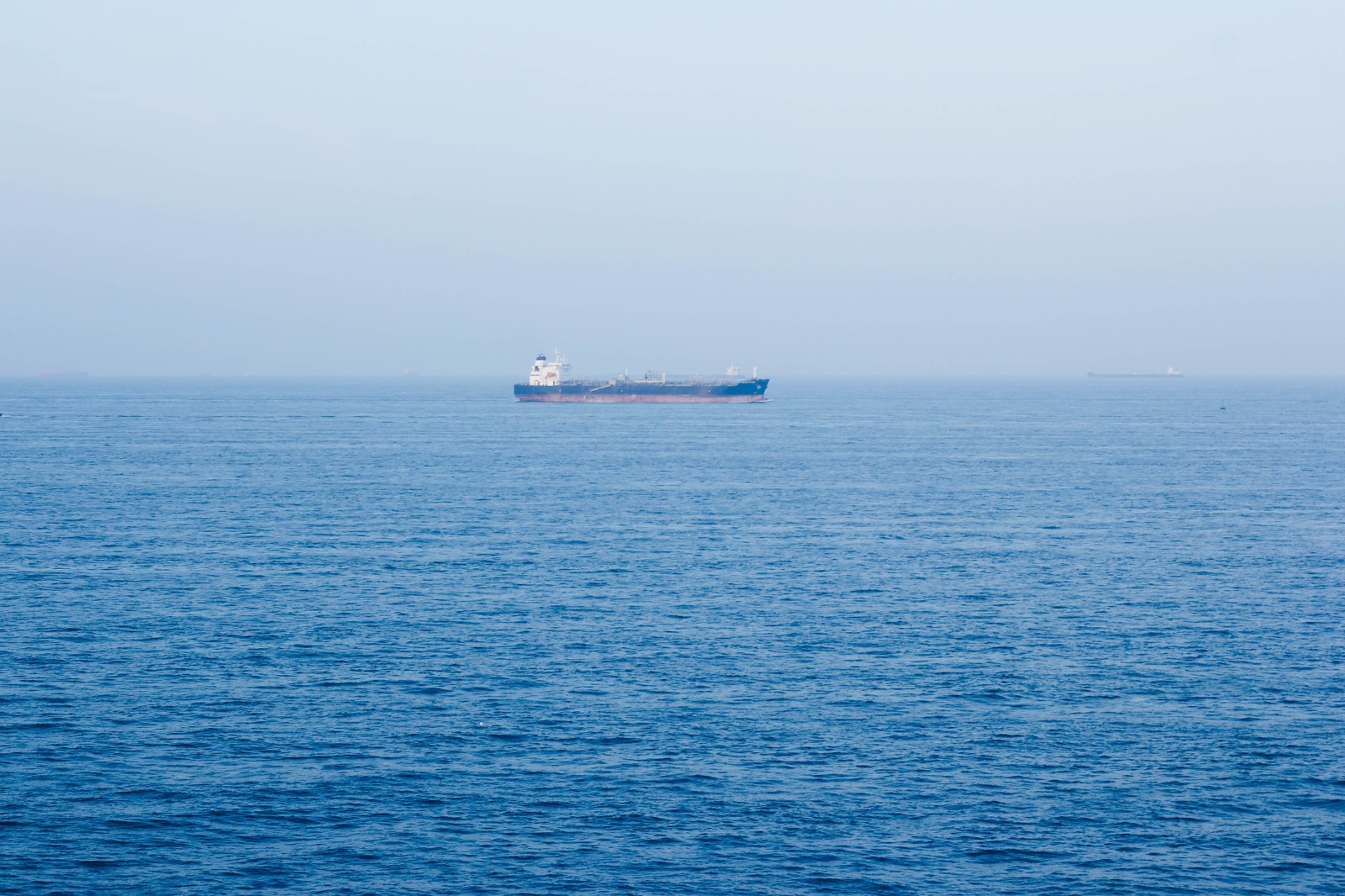
The Strait of Hormuz is particularly important because it previously handled roughly one-fifth of global daily oil and liquefied natural gas supplies. Any sustained reduction in traffic therefore has implications for producers, refiners and energy importers well beyond the Gulf.
Shipping activity has already fallen sharply. Seven commodity vessels passed through the strait on Thursday, compared with 11 the previous day and a 10-day average of about 15, according to preliminary tracking data.
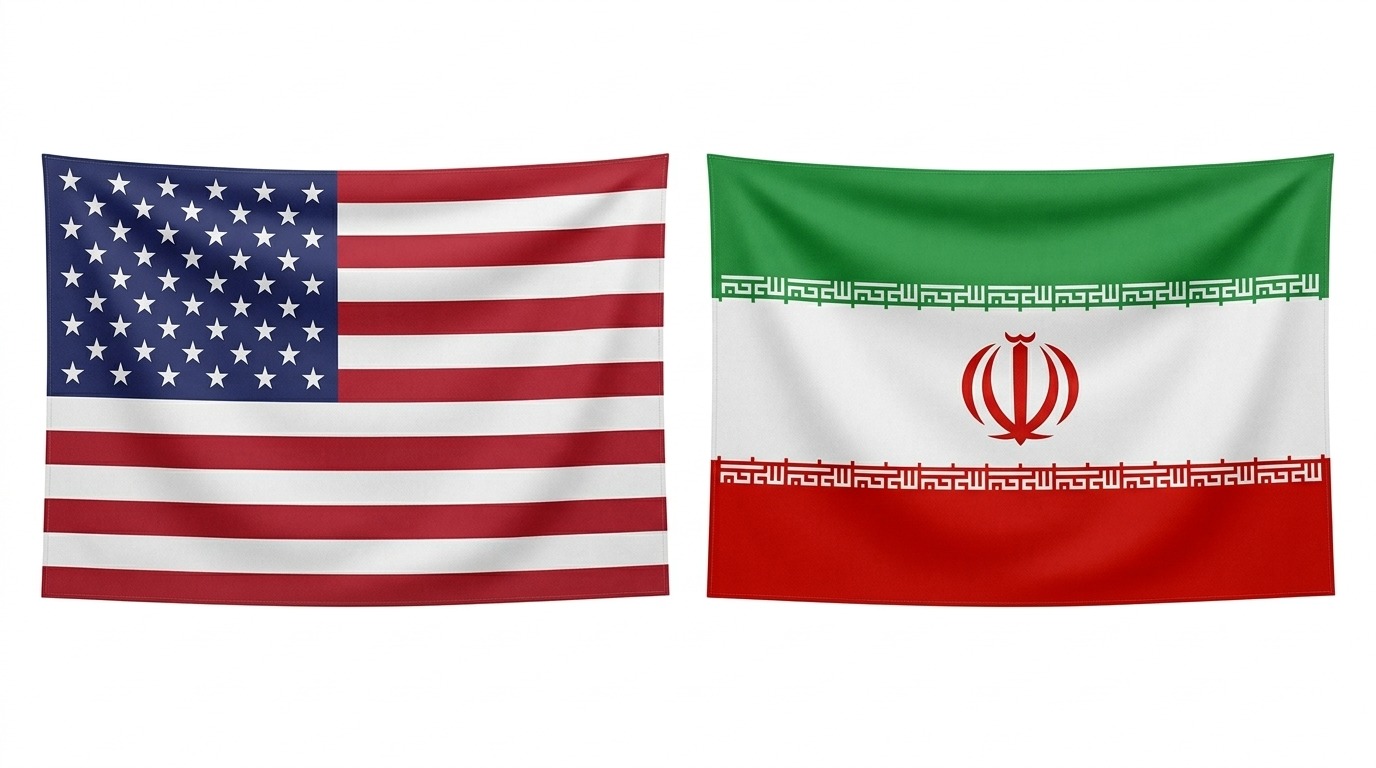
The disruption follows Iranian attacks on vessels near the waterway after U.S. forces struck Iranian oil tankers. At the same time, Iran-aligned Houthi forces have expanded their presence around the Red Sea, including the seizure of Yemen's port of Mocha.
That development increases the risk that two major maritime energy corridors could face simultaneous disruption.
The market impact is extending into refined fuels. U.S. diesel prices have risen above $6 a gallon for the first time, while China is preparing to increase retail fuel price caps. European policymakers have also warned that persistent energy inflation could require additional interest-rate increases.
The economic consequences could become more severe if the disruption persists. Higher crude prices raise transportation and production costs, while expensive diesel and jet fuel can quickly feed into freight, food and airline expenses.
For energy-importing economies, the shock can also worsen trade balances by increasing the cost of imported fuel. Countries with weaker currencies may face additional pressure as they require more foreign currency to finance energy purchases.
Financial markets are already responding. Higher oil prices have contributed to rising government bond yields and renewed expectations of tighter monetary policy in the United States and Europe.
The central uncertainty is therefore no longer simply whether oil can remain above $100. It is whether the current disruption becomes sufficiently prolonged to alter inflation, investment and growth expectations globally.
Temporary diplomatic efforts to restore shipping could reduce the immediate risk premium. But unless vessel movements normalise and regional attacks subside, energy markets are likely to remain vulnerable to further price spikes.
For the global economy, the Strait of Hormuz has once again become a measure of how quickly geopolitical conflict can translate into inflation, financial-market volatility and higher costs for businesses and consumers worldwide.