The Kremlin said on Thursday that additional US sanctions would complicate attempts to reach a settlement in the four-and-a-half-year conflict after the US House of Representatives approved a broad sanctions package.
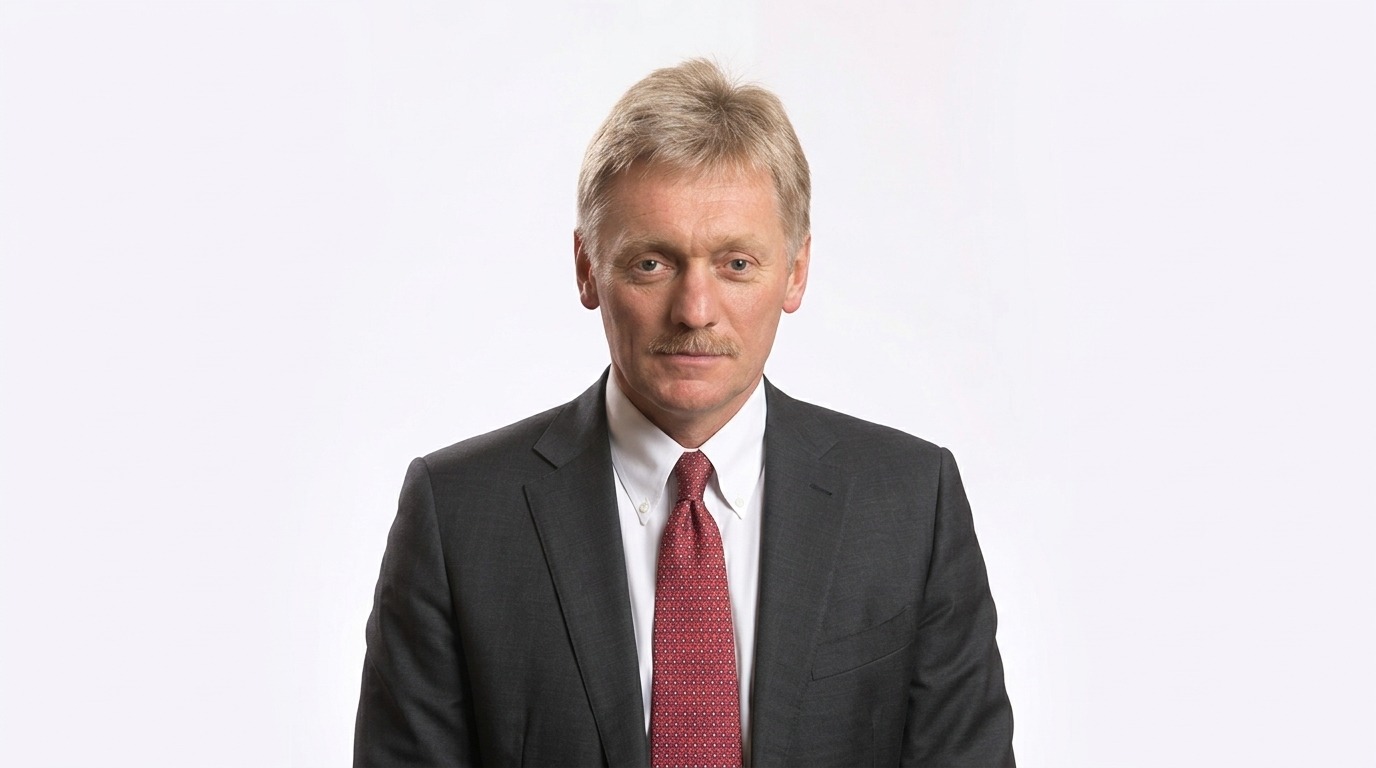
Kremlin spokesman Dmitry Peskov described the proposed measures as unfriendly actions and said further economic restrictions would make negotiations more difficult.
The legislation is designed to increase economic pressure on Moscow by targeting Russia's energy and defence industries as well as vessels associated with its so-called shadow fleet, which Washington says is used to circumvent existing restrictions.
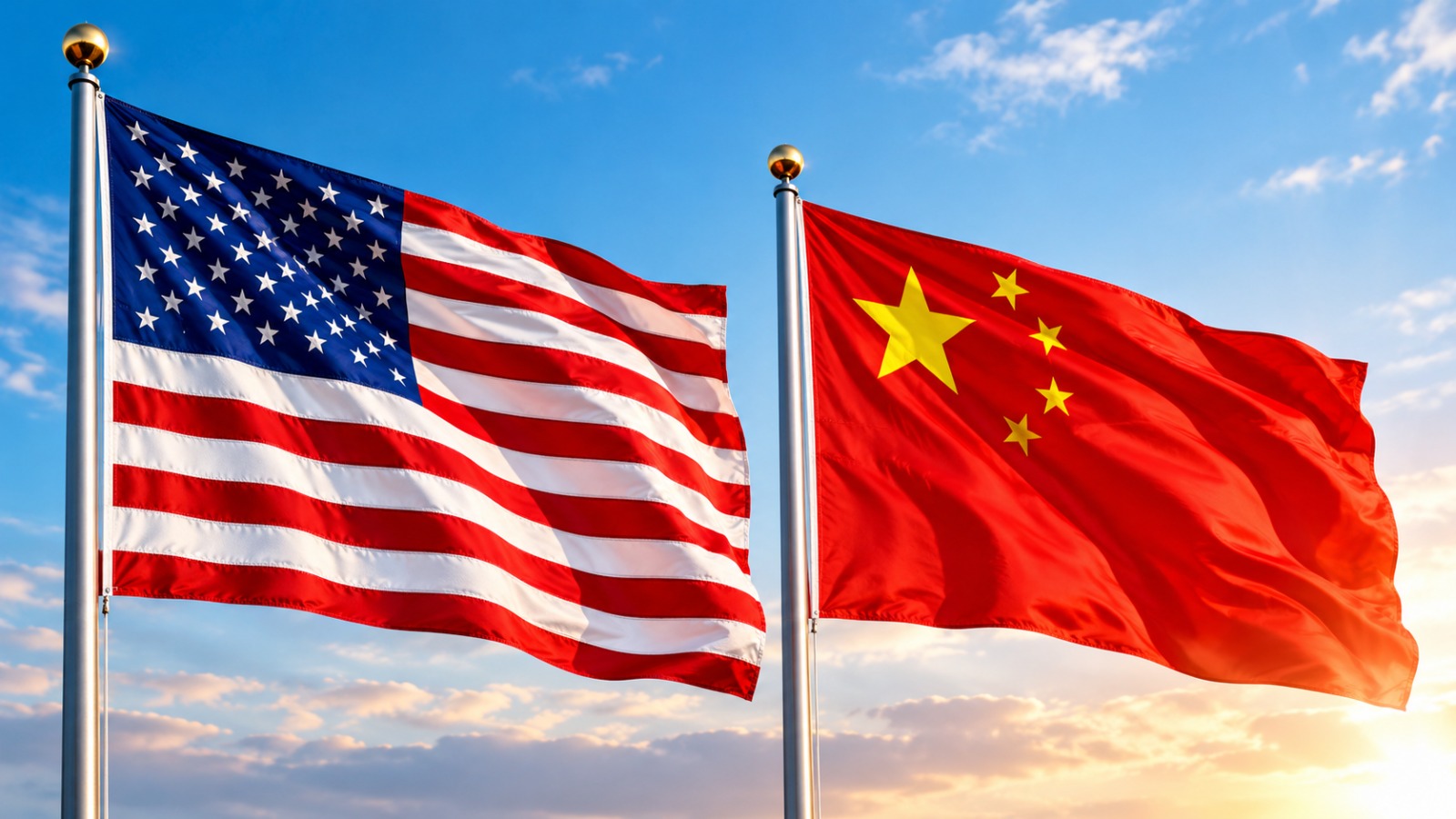
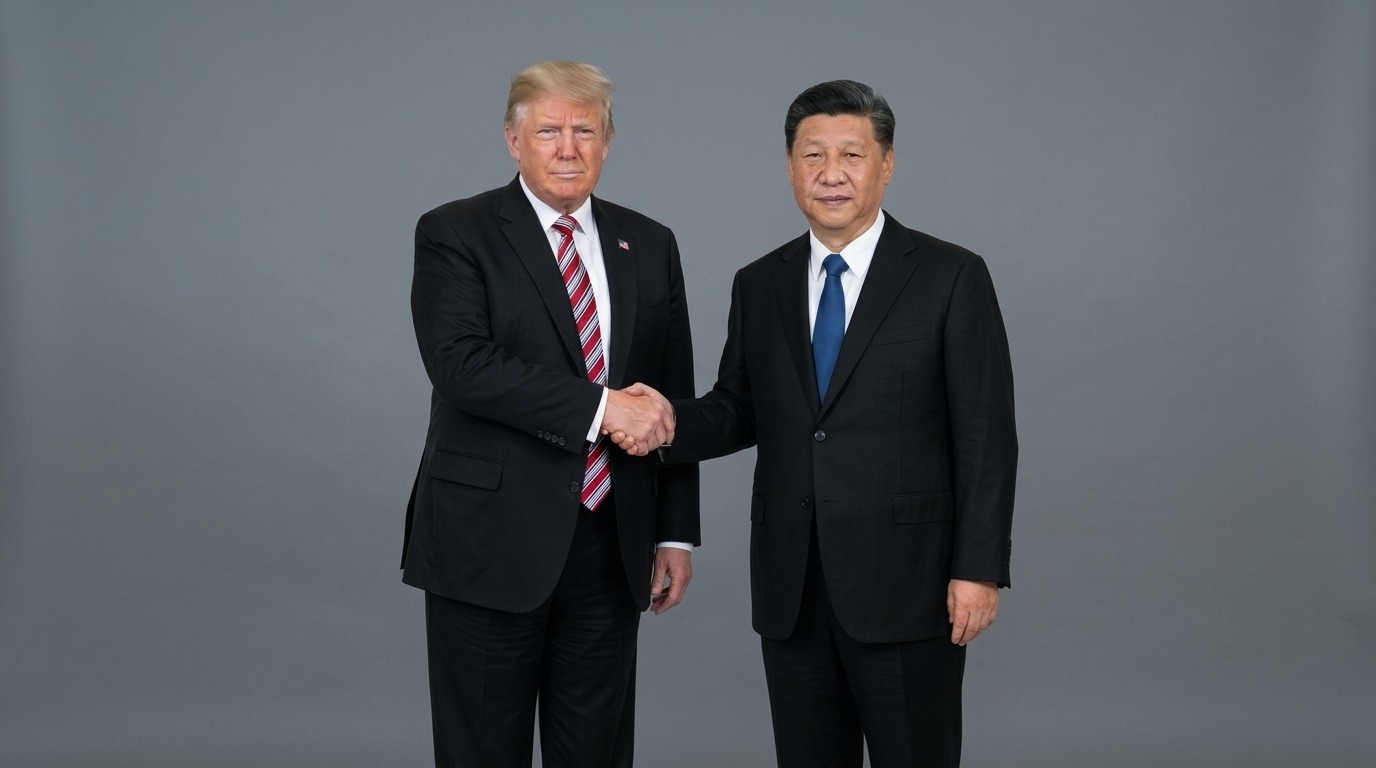
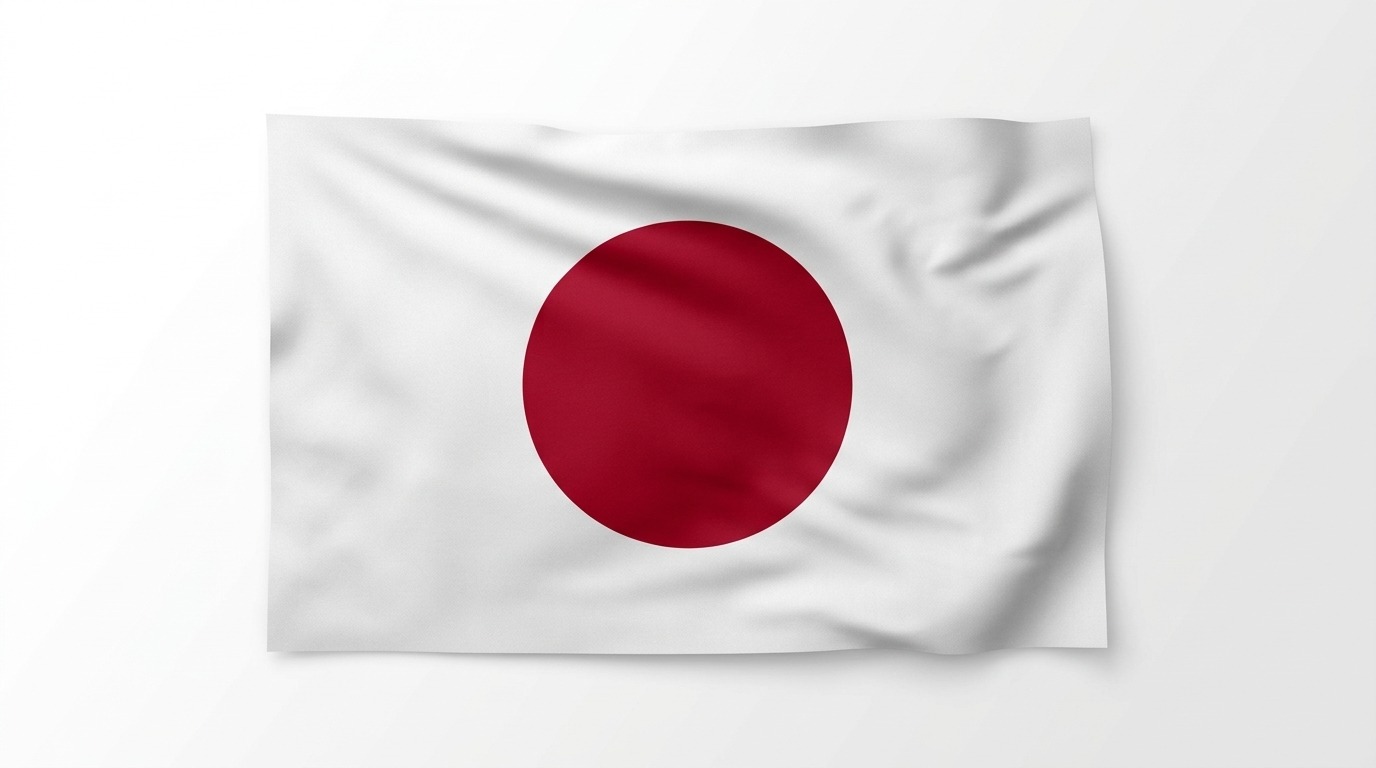
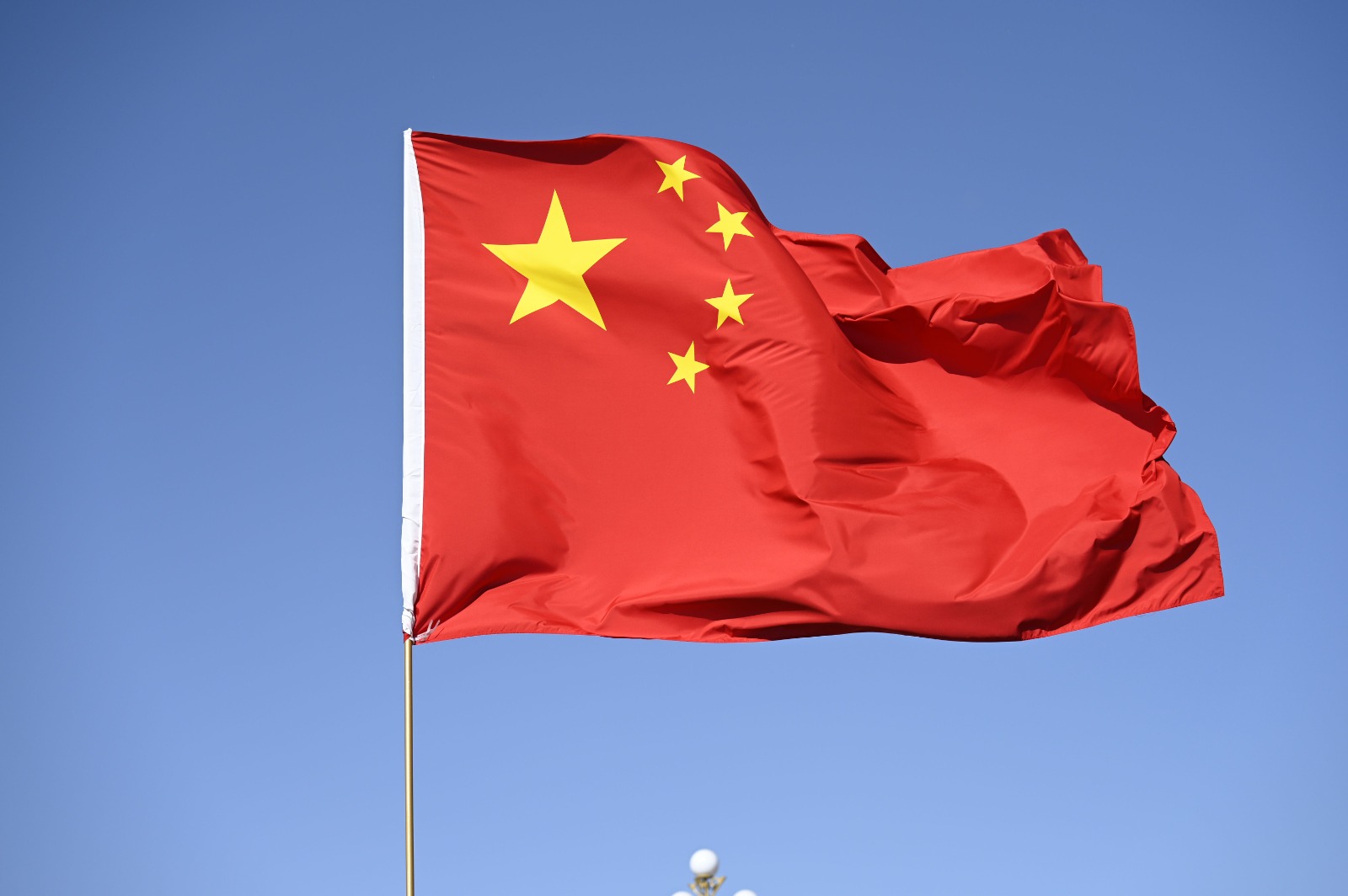
The proposed legislation would also give US President Donald Trump authority to impose tariffs of up to 100% on countries including China and India in an effort to discourage purchases of Russian oil and gas.
The prospect of secondary tariffs adds a wider international dimension to the sanctions debate. India has already warned that measures targeting its purchases of Russian oil could affect its relationship with Washington.
US-mediated efforts to end the conflict have made limited progress in recent months. Trump has nevertheless sought to revive negotiations and sent two envoys to Moscow and Kyiv earlier this month.
The latest sanctions legislation introduces additional pressure on Russia at a time when diplomatic channels remain open but negotiations have stalled.
For energy markets, restrictions targeting Russian oil exports could affect global supply patterns, particularly if major buyers face higher costs or reduced access to Russian crude.
Russia remains a major producer and exporter of energy, meaning changes in its ability to sell oil and gas can have consequences for prices, shipping routes and refinery supply.
For businesses, the proposed measures could also increase compliance requirements and create additional uncertainty for companies operating across jurisdictions that maintain commercial relationships with Russia.
The geopolitical consequences extend to relations between the United States, Russia, China and India, particularly if secondary tariffs are imposed on countries continuing to purchase Russian energy.
The coming weeks will therefore be closely watched for both the final status of the US sanctions legislation and its effect on diplomatic efforts.
For policymakers and investors, the central question is whether increased economic pressure will alter Russia's negotiating position or instead add another obstacle to efforts to establish a durable settlement in Ukraine.