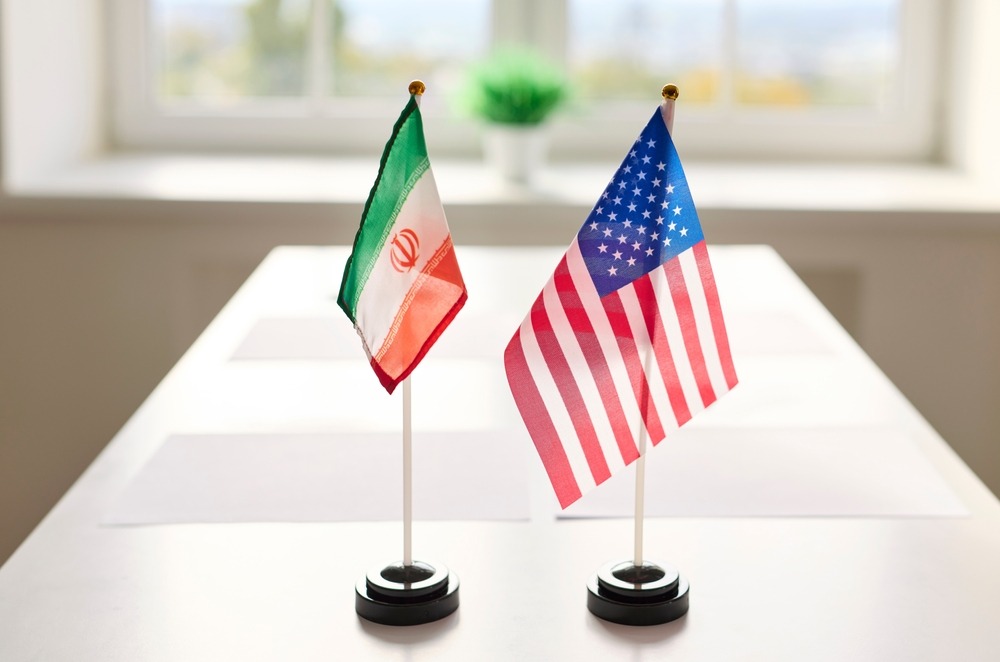
Iranian Foreign Ministry spokesperson Esmaeil Baqaei said on Monday that Tehran was considering accelerating its earlier proposal for restoring navigation through the waterway from a one-week timetable to two days. He described the revised timeline as evidence of Iran’s willingness to pursue negotiations, but stressed that implementation remained dependent on Washington meeting Iranian demands.
The proposal comes after Iranian and Qatari negotiators held consultations in Doha aimed at finding a framework for ending the conflict. An official briefed on the discussions told Reuters that Iranian negotiators had left Qatar on Sunday after three days of talks, while a draft proposal was being circulated and another meeting remained possible.
The departure was not attributed to a breakdown in negotiations. However, no agreement had been announced, and the exchange of messages through mediators remained ongoing.
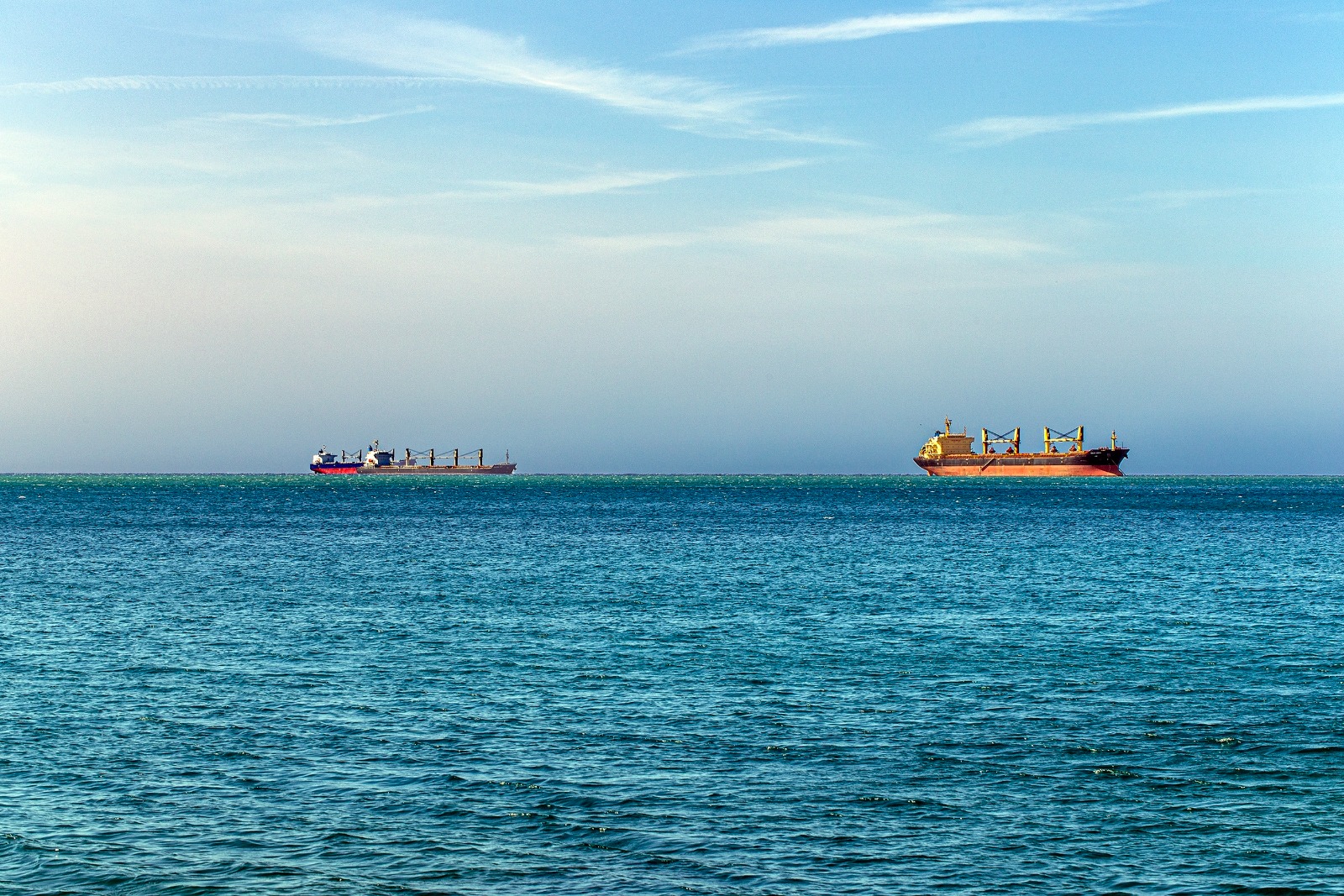
Iran’s conditions include measures relating to the US naval blockade of Iranian ports and restrictions on Iranian oil sales. Tehran has also called for a ceasefire arrangement covering Lebanon. Under the proposed navigation framework, vessels would use a route agreed with Oman and operate under Iranian supervision.
Washington has not publicly accepted the proposal. The distinction is important because the suggested reopening remains conditional rather than an implemented agreement. Until both sides reach an understanding and navigation resumes, shipping operators and energy markets must continue to account for the risk of disruption.
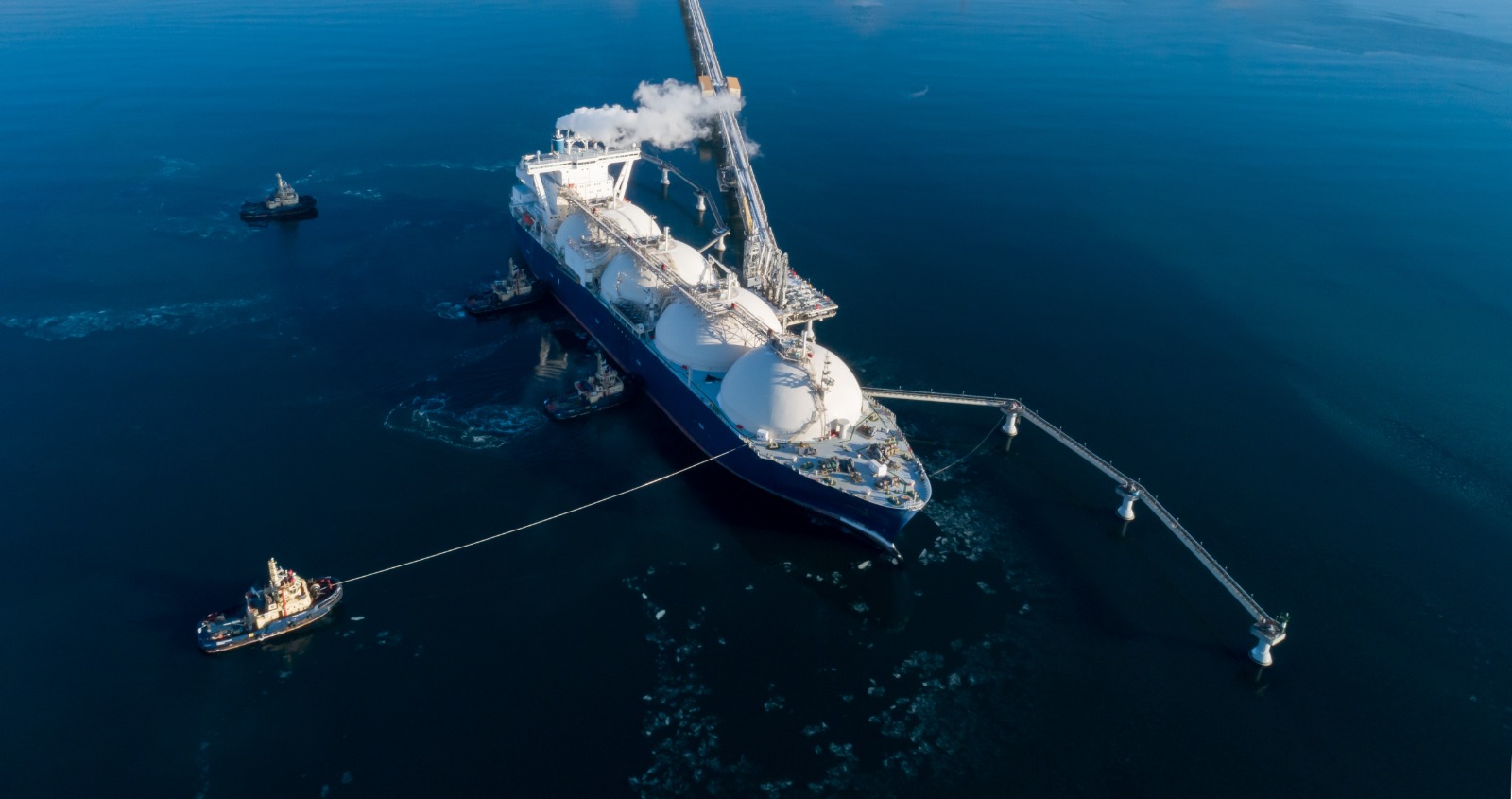
The Strait of Hormuz is one of the world's most strategically important maritime energy corridors, linking major Gulf producers with international markets. Prolonged restrictions have therefore increased concerns about oil supply, shipping costs and the wider economic consequences of the conflict.
The diplomatic initiative also carries implications for regional security. Any agreement would need to address not only maritime access but also the broader military and political tensions that have sustained the confrontation.
For energy-importing economies, a successful arrangement could reduce supply uncertainty and ease pressure on transport and fuel costs. However, the immediate outlook remains dependent on the response from Washington, the progress of Qatari mediation and the willingness of both sides to translate diplomatic proposals into verifiable commitments.