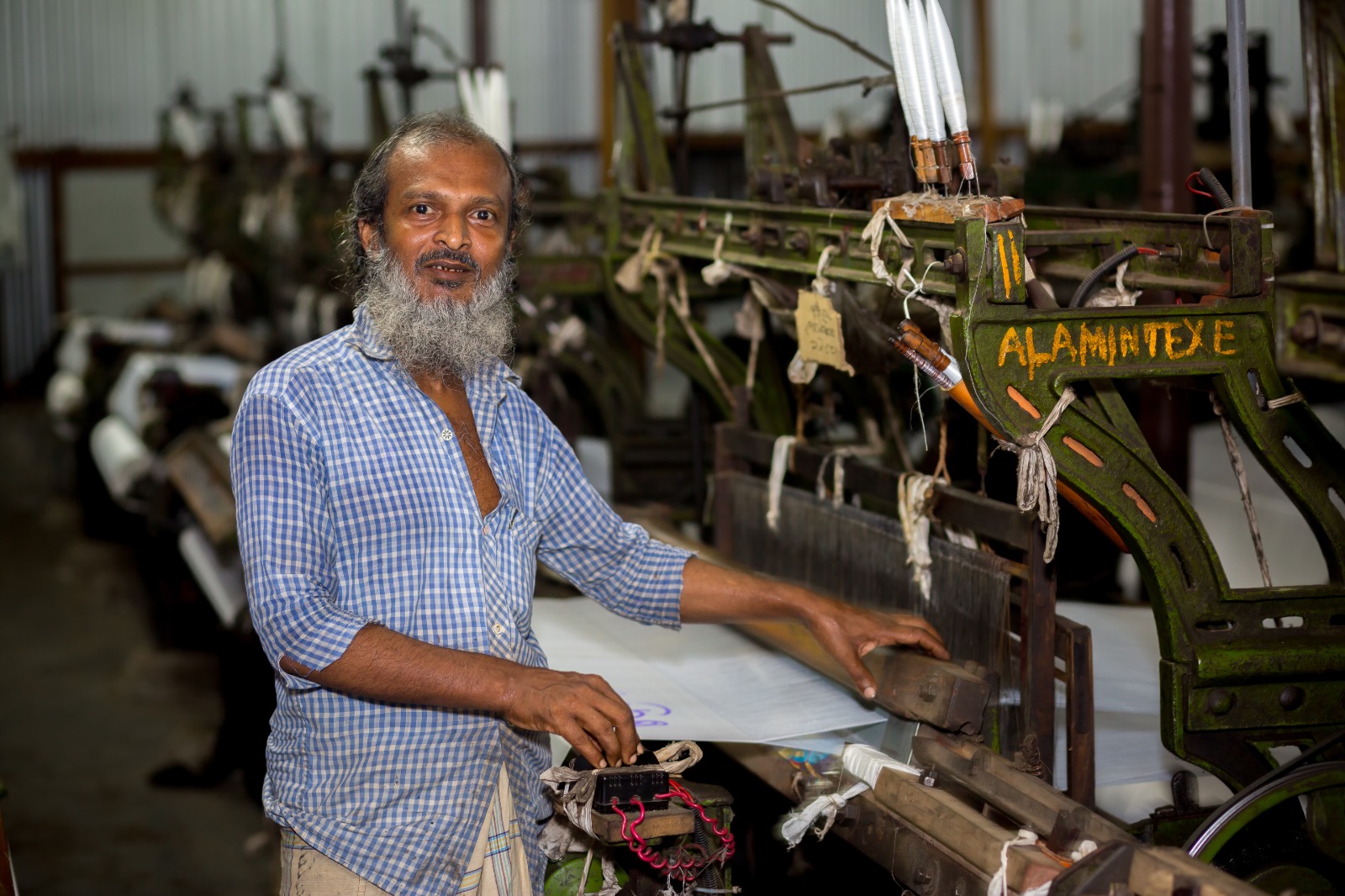
Workers are seeking a minimum monthly wage of 30,000 taka, up from the current 12,500 taka, arguing that rising costs of food, housing, transport and healthcare have made existing pay levels increasingly inadequate. The government has established a six-member wage board to review the demands, but the move has yet to ease tensions across major manufacturing centres.
Police used tear gas to disperse demonstrators attempting to block roads in Dhaka, while clashes were also reported in industrial areas including Ashulia and Gazipur. Authorities deployed Border Guard Bangladesh personnel in Gazipur as protests continued.
The unrest follows demonstrations on Sunday that disrupted operations at 529 factories and affected nearly one million workers, according to the Bangladesh Garment Manufacturers and Exporters Association. Although factories reopened on Monday, the continued protests have raised concerns about production schedules, export shipments and the confidence of international clothing buyers.
The scale of the dispute reflects the garment industry's importance to the national economy. The sector employs approximately four million people, contributes around 10% of economic output and generates more than 80% of Bangladesh's export earnings. It is also a major supplier to international retailers, including H&M, Zara, Walmart and Primark.
Workers' representatives argue that the proposed increase is necessary to restore purchasing power after persistent inflation. Babul Akhter, general secretary of the Bangladesh Garment and Industrial Workers Federation, said manufacturers should negotiate better prices with international buyers rather than rely on low wages to maintain competitiveness.
Factory owners, however, have warned that higher labour costs could place additional pressure on businesses already facing rising operating expenses, energy-market uncertainty and weaker demand in key export markets. The industry association has also warned that factories forced to close because of protests could apply a "no work, no pay" policy.
Economists have cautioned that a substantial wage adjustment could squeeze exporters' margins and weaken Bangladesh's price competitiveness. A phased increase, supported by productivity improvements and better pricing arrangements with international buyers, has been suggested as a possible way to balance workers' welfare with industrial sustainability.
The wage board now faces the difficult task of reconciling workers' demands with the financial position of manufacturers. Its recommendations will be closely watched by international buyers and investors, as prolonged disruption could affect Bangladesh's position in the global apparel supply chain.