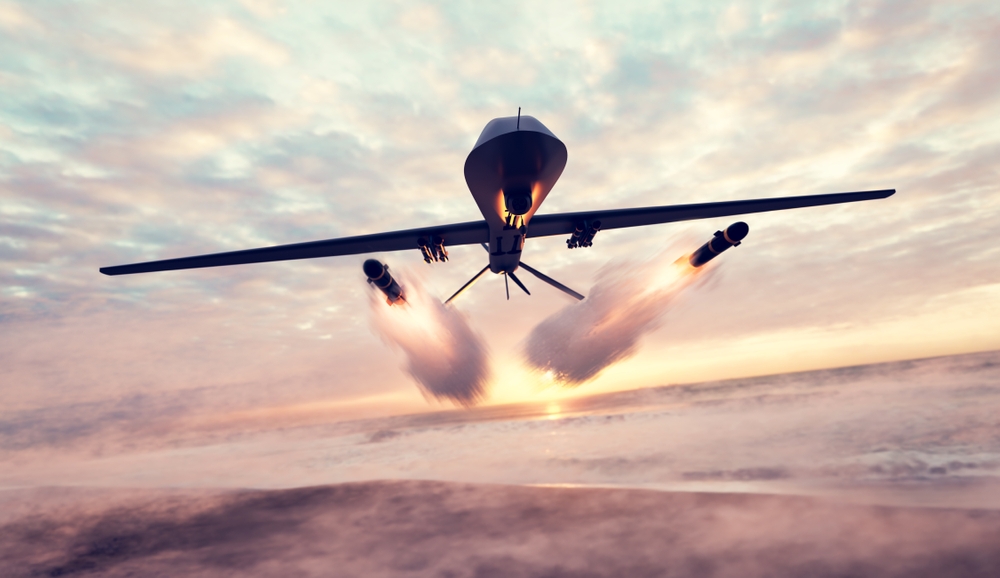
Three senior Iranian officials and an Iranian insider told Reuters that Tehran believed Washington could resort to further military action in an attempt to break the deadlock. The officials said Iran was preparing for the possibility of renewed US and Israeli attacks rather than expecting a rapid agreement to end the war. Their accounts reflect Iranian officials’ assessments and do not independently establish Washington’s future intentions.
The conflict began in February, when the United States and Israel launched strikes against Iran. Subsequent escalation has severely disrupted regional energy movements, with the Strait of Hormuz effectively closed to normal traffic. The waterway is a critical route for global oil shipments, making its continued disruption a source of volatility for crude prices and a risk to energy-importing economies.
Iran’s leadership appears to believe that sustained pressure on energy markets could carry political consequences for Trump before the 3 November congressional elections. Higher petrol prices have become a concern for American households, while the conflict has added to uncertainty over inflation and the wider economic outlook. Tehran’s calculations, as described by the officials, suggest that the timing of negotiations has become part of the broader political contest.
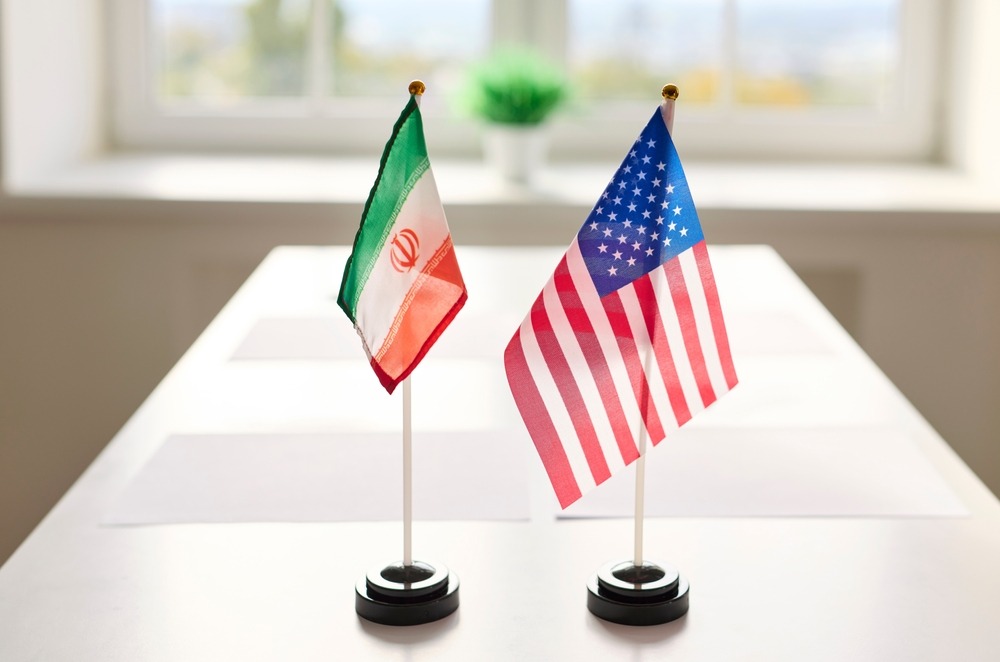
The diplomatic obstacles remain substantial. Iranian officials have expressed deep distrust of Washington and are seeking concessions, including the lifting of a naval blockade and the release of frozen assets. Previous diplomatic efforts have been undermined by military action, reducing confidence that an agreement would prevent further escalation.
The prolonged stalemate leaves businesses, governments and energy traders exposed to further uncertainty. A renewed military confrontation could intensify disruption to shipping and raise the cost of transporting oil, while a negotiated settlement could create conditions for supply flows to recover.
For now, neither a swift agreement nor a return to normal shipping conditions can be assumed. The direction of the conflict will depend on whether both sides identify sufficient incentives to resume meaningful negotiations and whether security risks around the Gulf can be reduced.