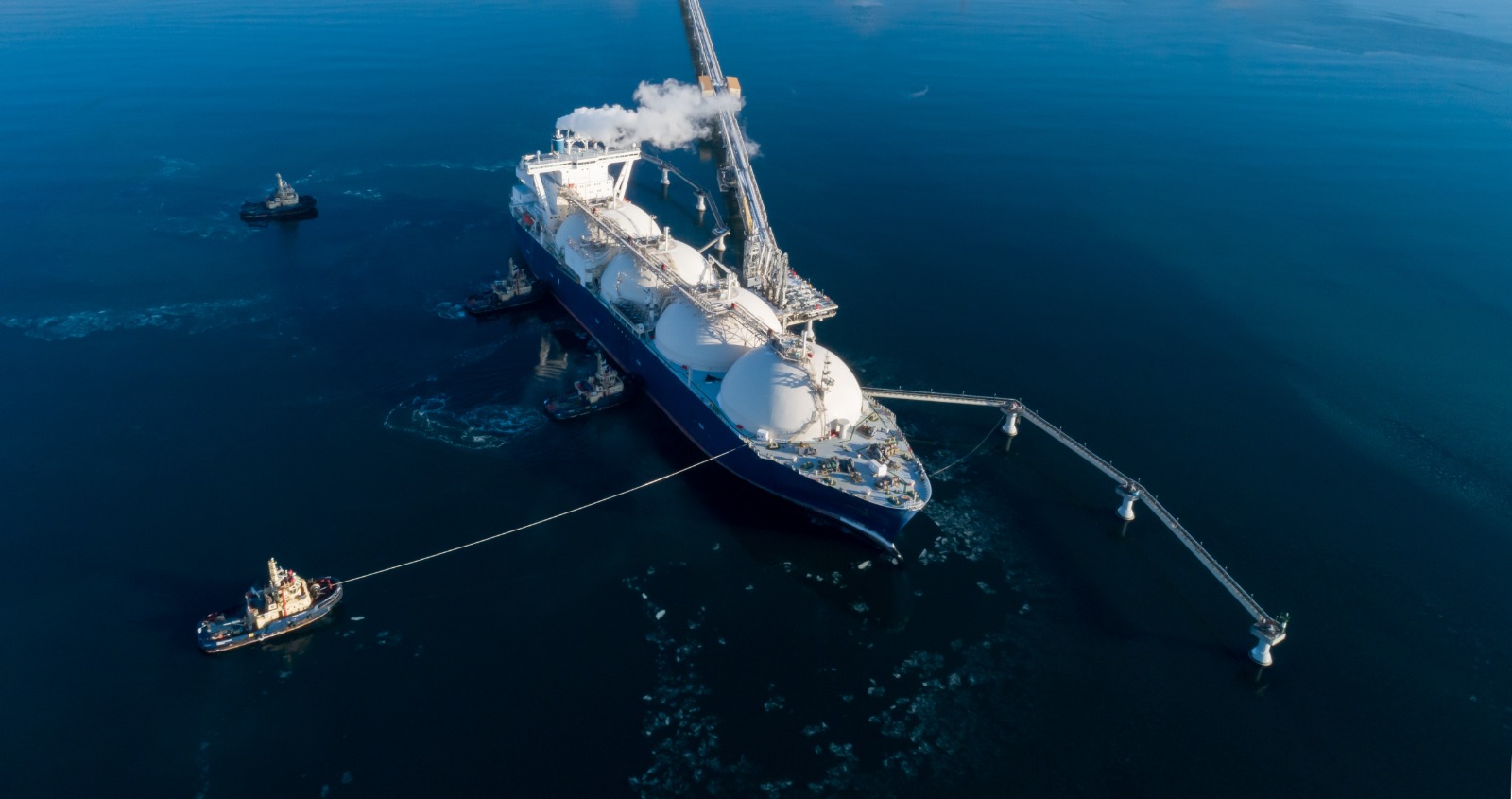
The proposed facility, planned offshore from Matagorda, Texas, would comprise four liquefaction units, each with an annual capacity of 2.1 million tonnes. Combined production capacity would reach 8.4 million tonnes a year, equivalent to approximately 8% of existing US LNG export capacity, according to the company.
The project received a key regulatory approval from the US government on 28 October, marking a significant step towards development. However, the approval does not mean construction financing has been secured or that the project has reached a final investment decision.
ST LNG President Alap Shah told Reuters that the company expected commercial operations to begin by mid-2030. Chief Executive Sharad Tak said the project would require minimum customer commitments totalling two million tonnes annually before the company could approve the investment.
The company is in discussions with potential buyers in Europe and Asia and is close to signing an integrated energy company in India as its first customer, according to Tak. It is also exploring financing arrangements involving both debt and equity, with discussions reportedly under way with four to six banks.
The project comes as energy buyers reassess supply security amid geopolitical uncertainty and concerns over disruptions to established export routes. The United States, already the world's largest LNG exporter, has continued to attract investment in new liquefaction infrastructure as international demand for diversified gas supplies supports development plans.
Nevertheless, the proposed facility faces commercial and operational challenges. Securing long-term sales agreements will be essential to underpin financing, while construction costs, regulatory compliance, infrastructure connections and future gas prices will influence its financial viability.
ST LNG has also proposed using converted floating storage vessels rather than constructing conventional onshore storage tanks, a design it says could reduce costs.
For the wider US energy sector, the project represents another potential expansion of export capacity. Its progression will depend less on regulatory approval alone than on the company's ability to secure customers, financing and the commercial commitments required to justify a multibillion-dollar investment.