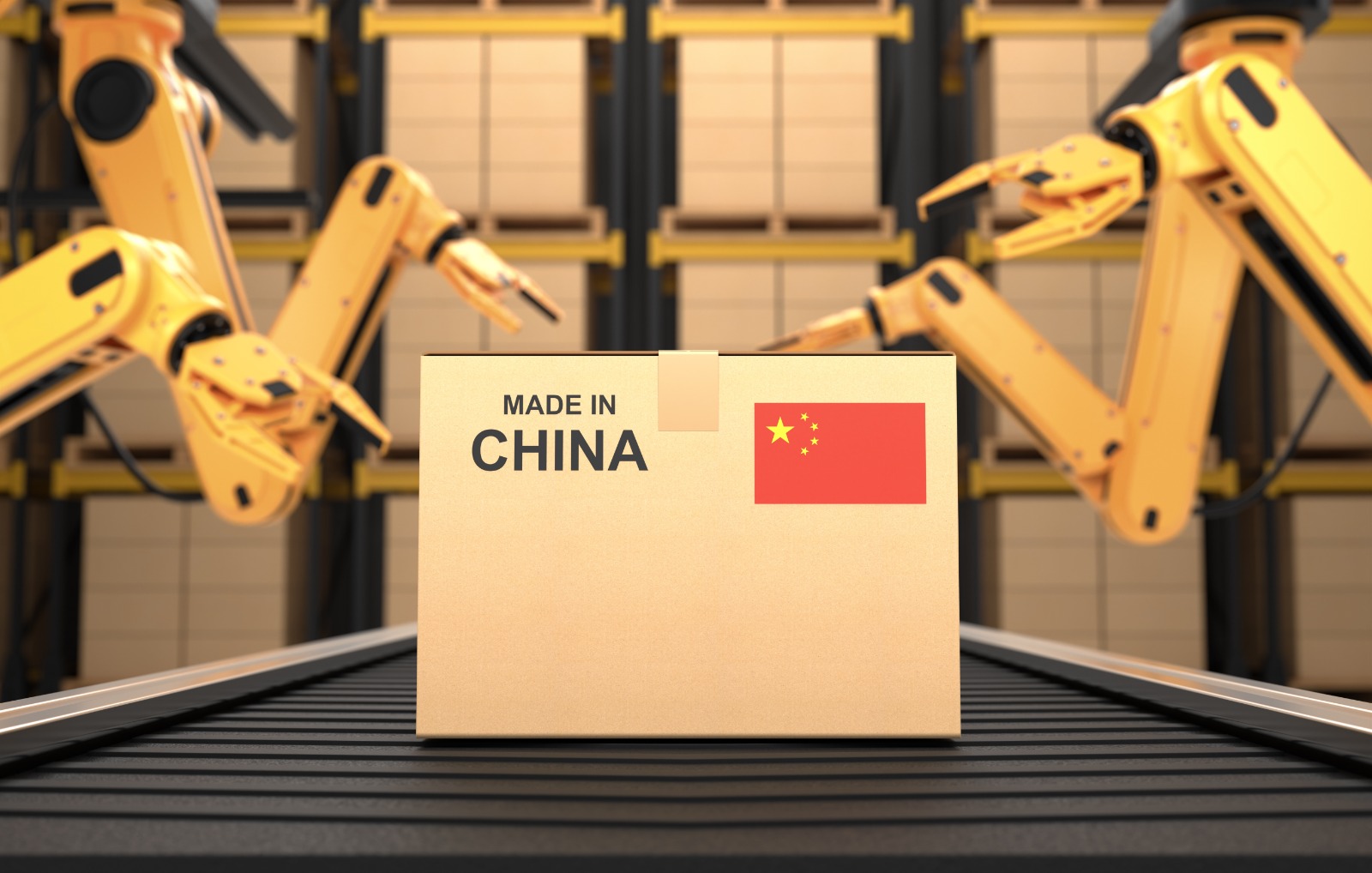
The RatingDog China General Manufacturing Purchasing Managers’ Index, compiled by S&P Global, edged down to 52.0 in October from 52.1 in September. Although the reading remained above the 50-point threshold separating expansion from contraction, it indicated that manufacturing activity had lost some momentum. The result also exceeded the 51.6 forecast in a Reuters poll.
The survey showed that new orders increased at a slightly slower pace, with the index easing to 53.3 from 53.4. More significantly, growth in export orders slowed to its weakest level in three months, reflecting softer demand for consumer and intermediate goods. Export prices also declined for the first time since November 2025, as manufacturers faced pressure to offer discounts amid intense competition.
Despite the moderation in demand, production recorded its fastest expansion in six months. Purchasing activity also strengthened, while employment increased for a second consecutive month, although only marginally. The backlog of work continued to rise, suggesting that some manufacturers were facing capacity pressures even as business confidence weakened to a nine-month low.
The private-sector survey presented a more resilient picture than China's official manufacturing PMI, released over the weekend. The official index fell to 49.3 in October from 50.1 in September, indicating a return to contraction. Its new export orders measure also remained below the expansion threshold, pointing to persistent weaknesses across parts of the industrial economy.
The contrasting readings underline the uneven nature of China's manufacturing recovery. While some export-oriented businesses continue to benefit from overseas demand, weaker domestic consumption and prolonged pressure in the property sector remain obstacles to broader economic activity.
The figures also come as Beijing faces increasing trade scrutiny from major trading partners concerned about Chinese industrial exports and competitive pricing. Export performance is therefore likely to remain an important factor in the country's economic outlook.
For policymakers, the challenge will be to sustain industrial growth while strengthening domestic demand and limiting dependence on overseas markets. The coming months will show whether stronger production can offset slower export-order growth or whether external pressures will further weaken manufacturing momentum.