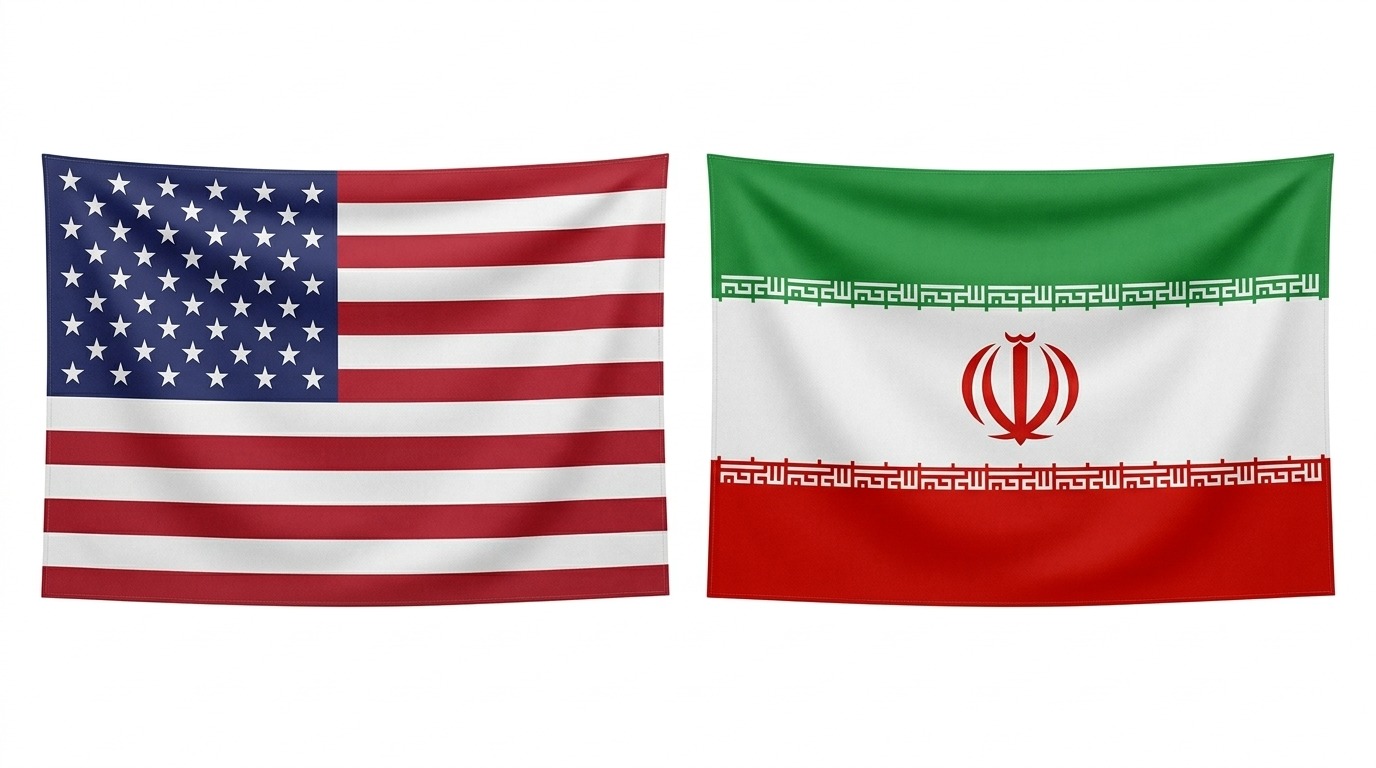

Iran has said the Strait of Hormuz is under its control and management, according to Reuters, while the United States has disputed Tehran's position. The competing claims come as diplomatic efforts remain stalled and shipping activity faces continuing disruption.
The economic significance of the Strait extends far beyond the Gulf. It is a critical route for global energy shipments, meaning prolonged disruption can affect crude prices, freight costs, insurance premiums and the operating expenses of energy-intensive industries.
Financial markets are already responding cautiously. Reuters reported that Gulf stock markets eased on Thursday as investors assessed the geopolitical situation and disruptions around Hormuz. Brent crude fell 1.4% to $87.82 a barrel amid concerns about demand and higher US crude inventories, showing the market is balancing geopolitical supply risk against weaker demand signals.
The impact is particularly visible in shipping. Hapag-Lloyd said the Middle East crisis and closure of the Strait cost the company $600 million in the second quarter, providing a direct corporate measure of the economic consequences of geopolitical disruption.
For businesses, the risk extends beyond fuel. Longer shipping routes, higher insurance costs and delayed deliveries can increase working-capital requirements and disrupt inventory planning.
African and Asian economies that depend heavily on imported energy could face additional pressure if disruption becomes prolonged. Higher transport and energy costs could also feed into inflation and complicate monetary-policy decisions.
The key uncertainty is whether diplomatic negotiations can restore predictable shipping conditions.
What to watch: shipping volumes through Hormuz, tanker insurance costs, Brent crude, US-Iran diplomatic contacts and government responses to energy-security risks.