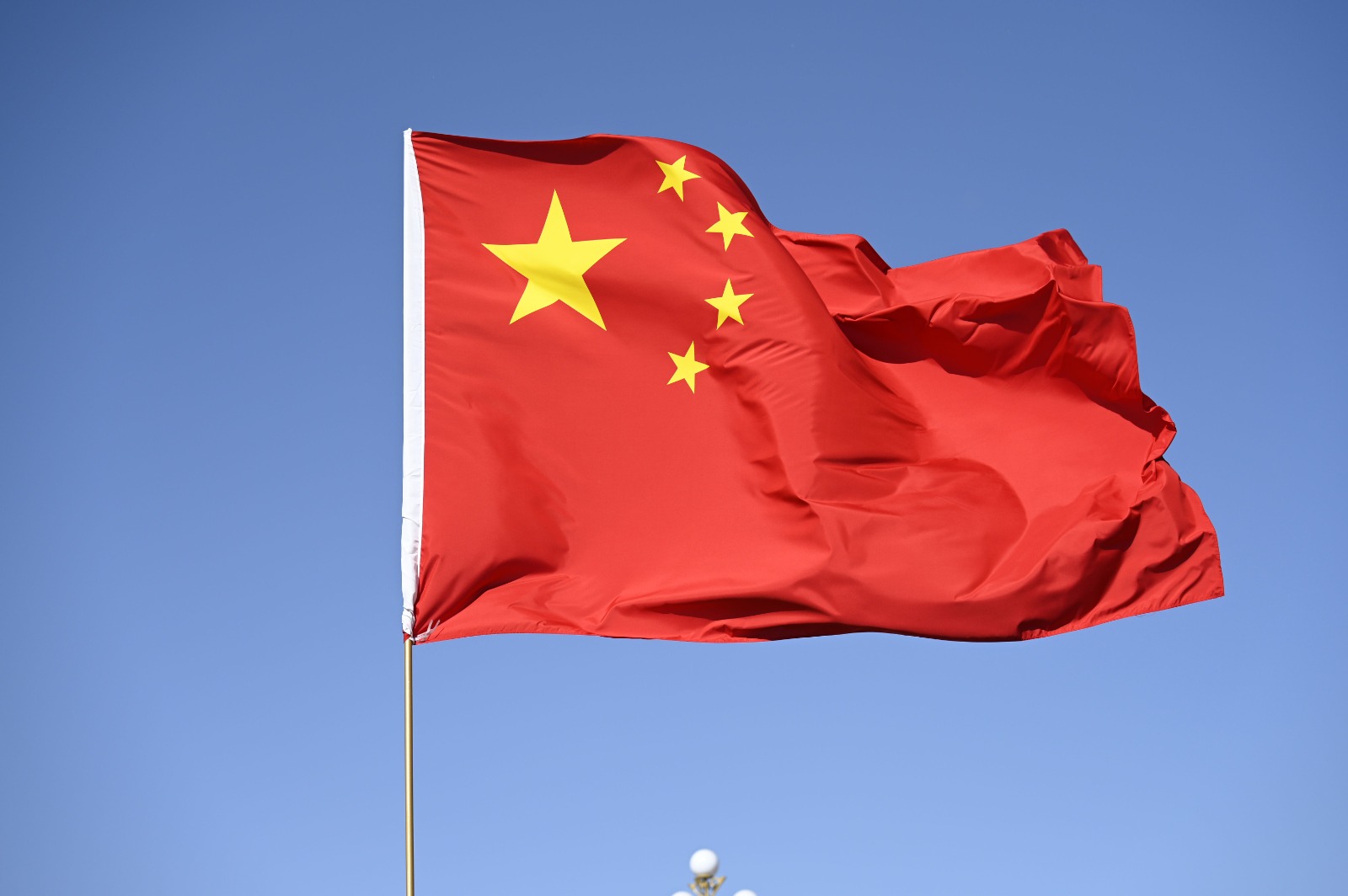

German Vice Chancellor and Finance Minister Lars Klingbeil has called for the EU to introduce tariffs on Chinese-made plug-in hybrid vehicles and strengthen local-content requirements for cars sold in the bloc.
The proposal comes as European manufacturers face a difficult transition towards electric vehicles while Chinese automakers expand their presence across the European market.
The EU currently applies tariffs to Chinese battery-electric vehicles but has not imposed equivalent measures on plug-in hybrids. Klingbeil has argued that the bloc should address what he describes as unfair competition from Chinese manufacturers.
The issue has become particularly sensitive in Germany, where Volkswagen and other major manufacturers are restructuring operations in response to weaker demand, high production costs and the transition towards electric mobility.
Volkswagen's restructuring programme could eventually involve 50,000 additional job reductions and the closure of four plants from the beginning of the next decade unless an alternative arrangement is reached.
The debate over Chinese imports therefore extends beyond trade policy. It is also connected to industrial employment, manufacturing capacity and Europe's ability to remain competitive in a rapidly changing automotive industry.
Chinese manufacturers have expanded internationally by combining competitive pricing with increasingly sophisticated electric and hybrid technology. European producers are attempting to reduce costs while investing in new vehicle platforms and battery technology.
Stricter tariffs could provide additional protection for European manufacturers but could also increase vehicle prices and raise the risk of retaliatory measures from China.
The issue is therefore likely to remain part of the EU's broader trade relationship with Beijing.
European policymakers are also examining local-content rules, which determine how much of a vehicle's components must originate within the region.
For manufacturers, changes to these rules could influence sourcing strategies and investment decisions, particularly for companies operating complex international supply chains.
The dispute demonstrates how the transition towards cleaner transport is increasingly intertwined with industrial policy and geopolitical competition.
For investors, the outcome could affect European automotive companies, Chinese manufacturers and suppliers across the global vehicle supply chain.
The EU's approach will therefore be closely watched as policymakers attempt to balance consumer prices, industrial competitiveness, employment and the bloc's wider relationship with China.