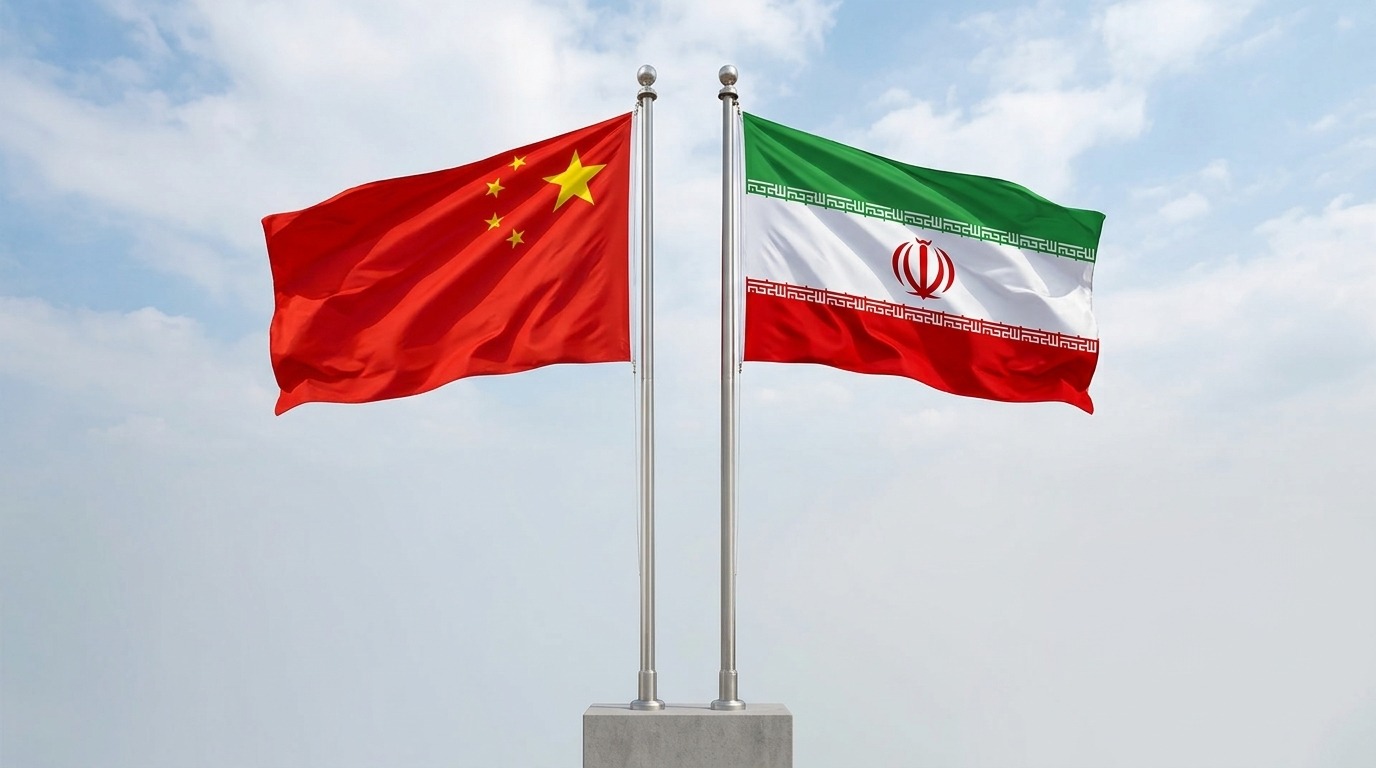
Iran's ability to continue exporting oil and receiving goods from China despite US sanctions highlights the growing difficulty of using financial restrictions to isolate Tehran completely.
The development comes as attacks on shipping in the Gulf have intensified, pushing oil prices above $100 a barrel and raising concerns about the reliability of one of the world's most important energy corridors.
For China, maintaining access to Iranian commodities offers a potential source of energy at a time when geopolitical disruption has increased competition for oil supplies.
For Iran, trade with China provides an important economic lifeline as sanctions restrict access to Western financial markets and traditional trade partners.
The relationship is also significant because it demonstrates how sanctions can encourage the development of alternative commercial structures. Rather than relying exclusively on conventional banking and dollar-based transactions, sanctioned economies can increasingly use intermediaries, commodity exchanges and bilateral arrangements to keep trade moving.
The consequences extend beyond the two countries. If such mechanisms become more sophisticated, they could reduce the effectiveness of unilateral sanctions and encourage other sanctioned states to pursue similar arrangements.
China's role is particularly important because of its size as an energy consumer and manufacturing power. Continued commercial links with Iran allow Beijing to maintain access to resources while providing Tehran with a market for its exports.
The Gulf conflict has consequently created a convergence between geopolitical risk and global commodity markets. Disruptions to shipping increase the cost of moving energy, while sanctions and counter-sanctions reshape the routes through which commodities and manufactured goods reach consumers.
For international businesses, the development adds another layer of complexity to supply-chain planning. Companies operating across the Middle East and Asia must increasingly account for sanctions exposure, shipping disruption and rapidly changing trade routes.
The China-Iran relationship is therefore becoming a wider test of the durability of the global sanctions system. As geopolitical fragmentation deepens, economic pressure is increasingly being matched by the creation of parallel channels of trade and finance.