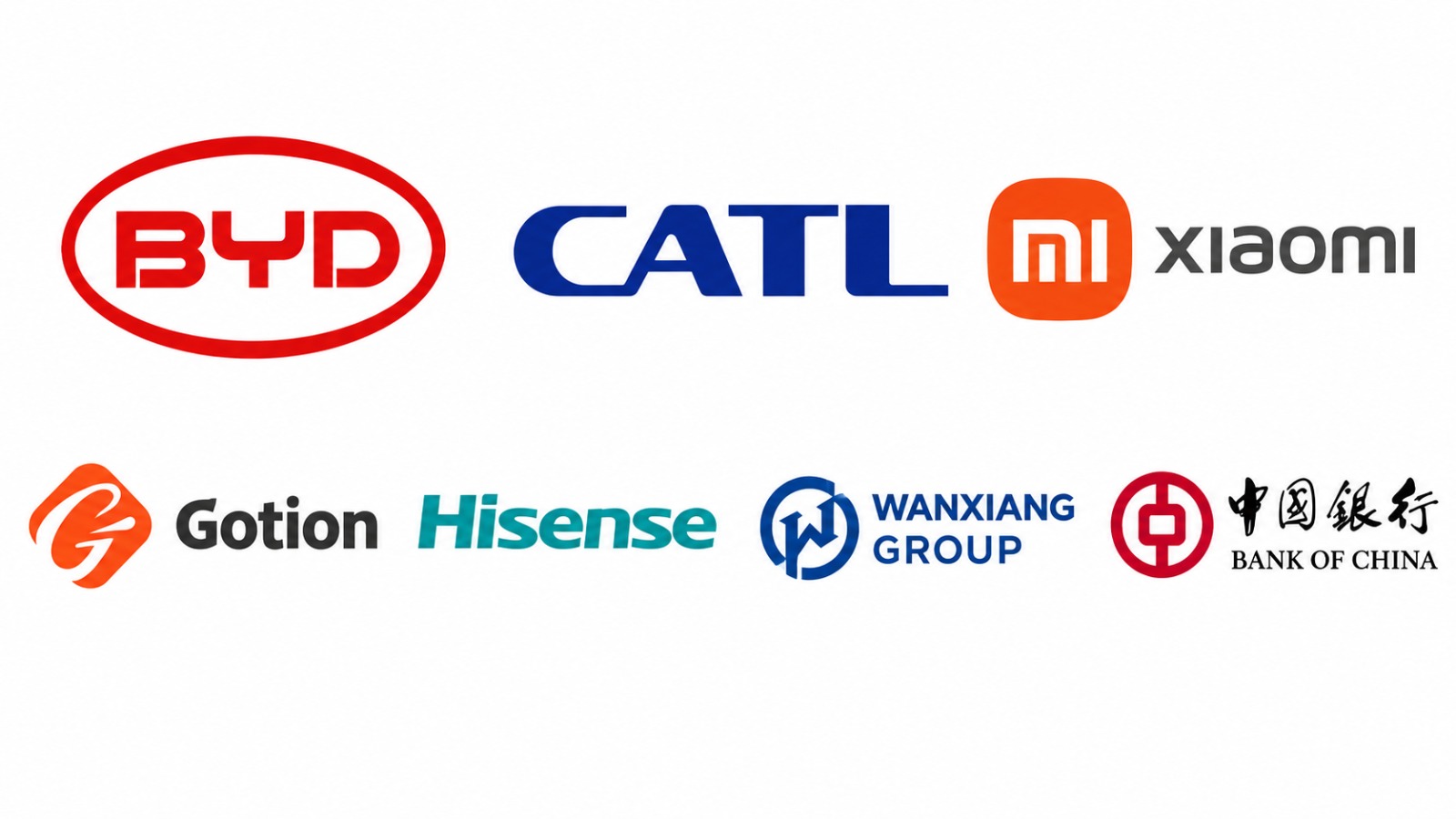
Executives from companies including BYD, CATL, Xiaomi, Gotion, Hisense, Wanxiang Group and Bank of China are among those being considered for the visit, according to people familiar with the plans.
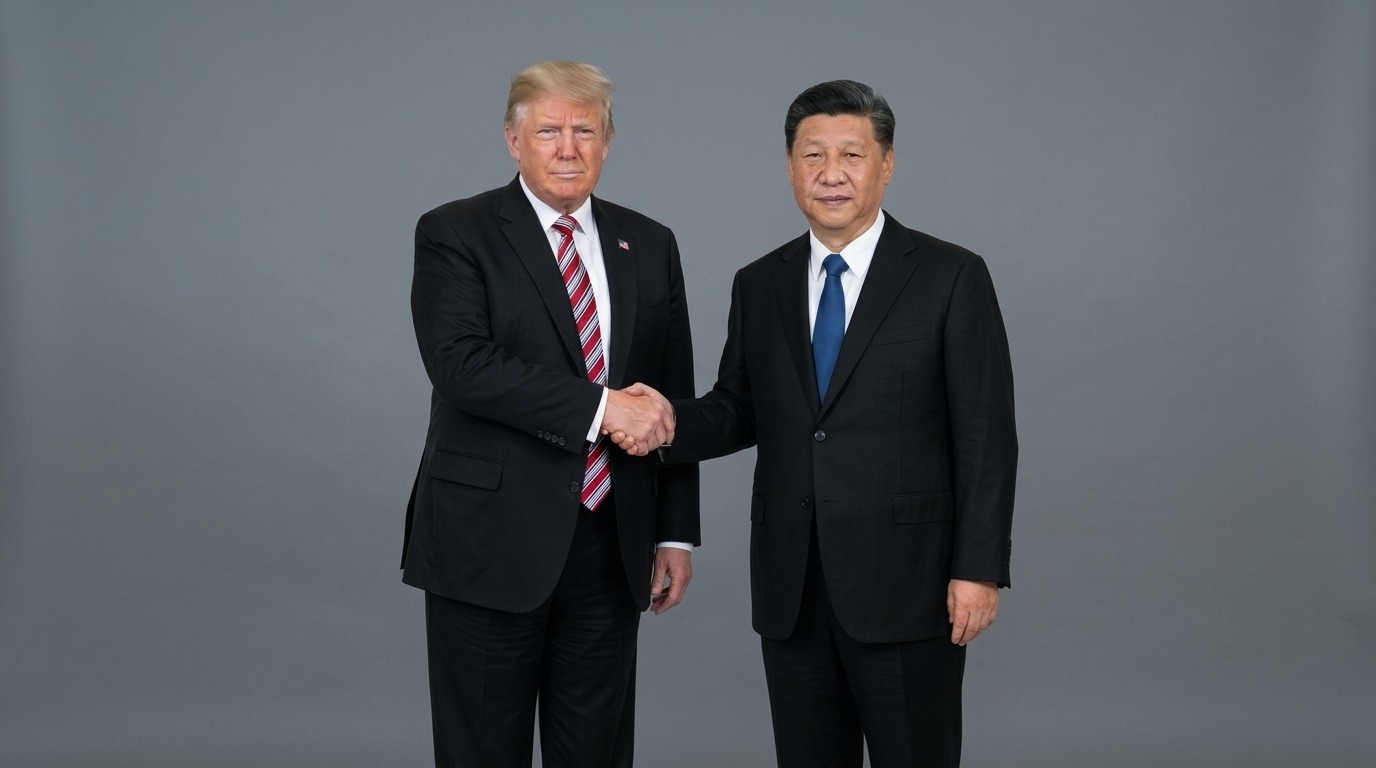
The final delegation has not yet been confirmed, with invitations and US visa approvals still pending. Companies have been asked to prepare for possible participation ahead of Xi's scheduled meeting with President Donald Trump on September 24.
The proposed delegation reflects the growing overlap between diplomatic negotiations and commercial interests in the US-China relationship. Many of the companies under consideration operate in sectors at the centre of disputes over technology, investment and national security.
Chinese electric-vehicle and battery manufacturers have faced increased scrutiny in the United States, while technology companies remain affected by restrictions governing access to advanced components and markets.
The inclusion of corporate executives could give Beijing an additional channel for discussing market access and investment barriers as both governments seek to manage wider trade tensions.
The summit is expected to address a potential extension of the existing trade truce, Chinese access to advanced technology and US access to rare earths and other critical minerals. These issues have direct consequences for manufacturers whose supply chains depend on cross-border trade.
For companies, uncertainty surrounding tariffs and export restrictions has increased the importance of supply-chain diversification. Manufacturers have expanded production outside their traditional markets while governments have introduced industrial policies aimed at strengthening domestic capacity in strategic sectors.
The presence of Chinese business leaders could also provide a clearer indication of how commercial priorities are being incorporated into the diplomatic relationship. However, several companies under consideration for the delegation are themselves facing regulatory or political scrutiny in the United States.
The proposed participation therefore illustrates the complexity of the relationship. Businesses remain important to bilateral trade and investment, while at the same time becoming increasingly entangled in strategic competition over technology, industrial capacity and national security.
For global investors and manufacturers, the Washington meeting will be closely monitored for signs of progress on trade and technology restrictions.
Any agreement capable of reducing uncertainty could influence corporate investment and supply-chain planning, while continued policy tensions would encourage companies to maintain diversified production and sourcing strategies.
The planned business delegation highlights how closely commercial interests are now linked to the broader US-China economic relationship.