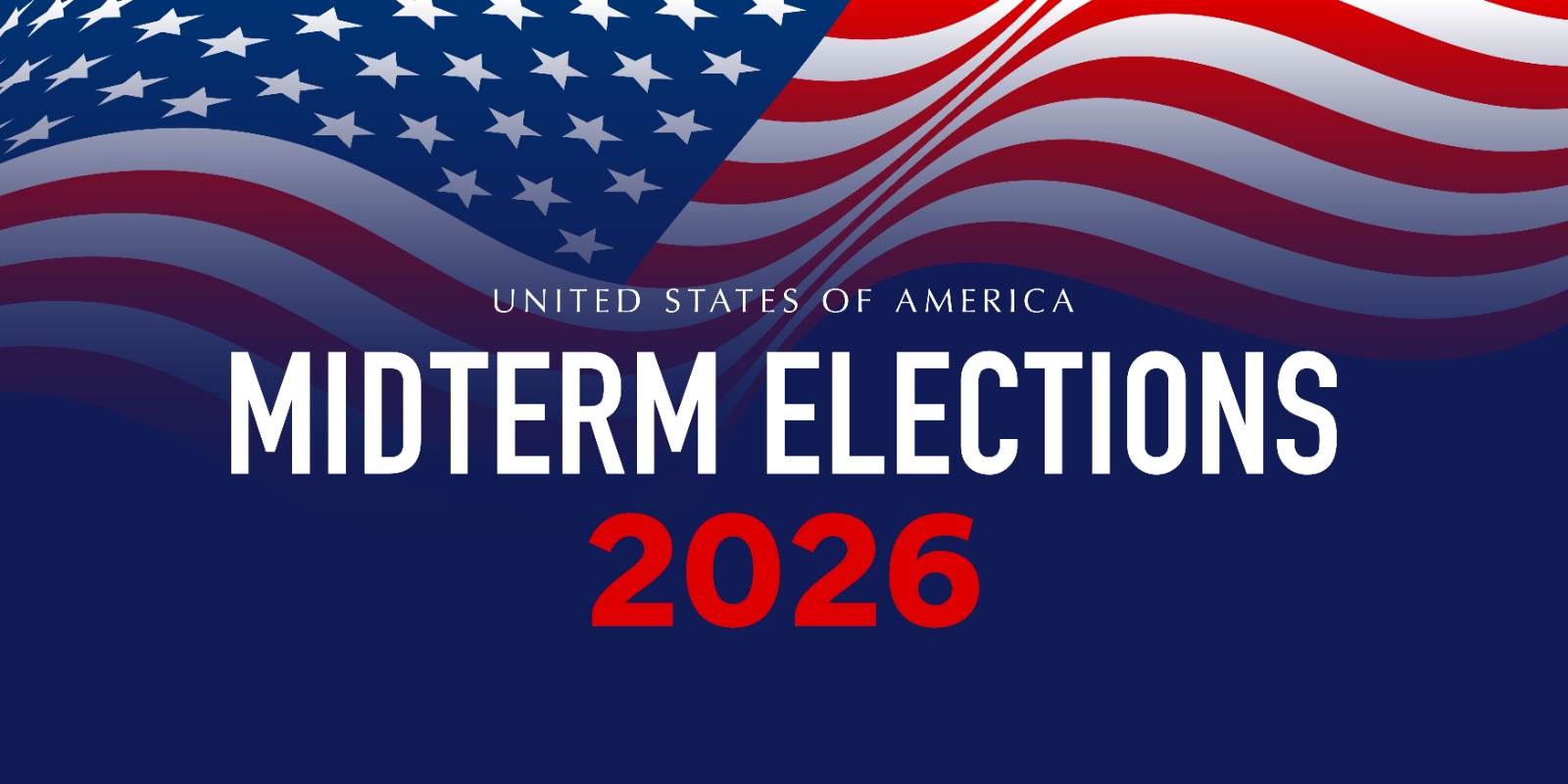
The election outcome has introduced new political constraints for President Donald Trump's administration, with investors considering the implications for government spending, regulatory priorities and foreign policy. Market attention has centred particularly on whether a Democratic-controlled Congress could increase pressure for a reduction in military escalation in the Middle East.
Oil prices have been among the most sensitive indicators. Brent crude fell sharply after the election, reflecting expectations that political pressure could encourage efforts to de-escalate the conflict and reduce the risk of further disruption to regional energy supplies. Prices subsequently stabilised as traders continued to weigh diplomatic prospects against the possibility of renewed military action.
Equity markets have responded unevenly. European shares advanced towards record levels, while Asian technology markets suffered losses as investors reassessed the outlook for artificial-intelligence investment and the financing of data-centre infrastructure. The prospect of stronger congressional scrutiny has raised questions about whether some technology companies could face greater regulatory and political resistance to their expansion plans.
The election has also renewed attention on US fiscal policy. Investors are weighing whether political division could constrain additional government borrowing and spending, potentially affecting Treasury yields, the dollar and global capital flows. However, legislative gridlock could also complicate decisions on taxation, trade and public investment.
For energy-importing economies, a sustained reduction in oil prices could ease pressure on inflation, trade balances and household purchasing power. Conversely, renewed escalation involving Iran could quickly reverse market gains if production facilities or shipping routes face disruption.
The broader implications extend beyond the immediate reaction in financial markets. Businesses and investors must reassess assumptions about energy costs, defence expenditure, technology regulation and the direction of US economic policy.
The durability of the market response will depend on whether political developments translate into concrete changes in policy and whether diplomatic efforts produce measurable progress. Until then, investors are likely to remain sensitive to statements from Washington, movements in crude prices and developments across the Middle East.