The two governments increasingly view artificial intelligence as important to economic competitiveness and national security. Their differences extend from access to advanced semiconductors to allegations of technology copying and disagreements over regulation.
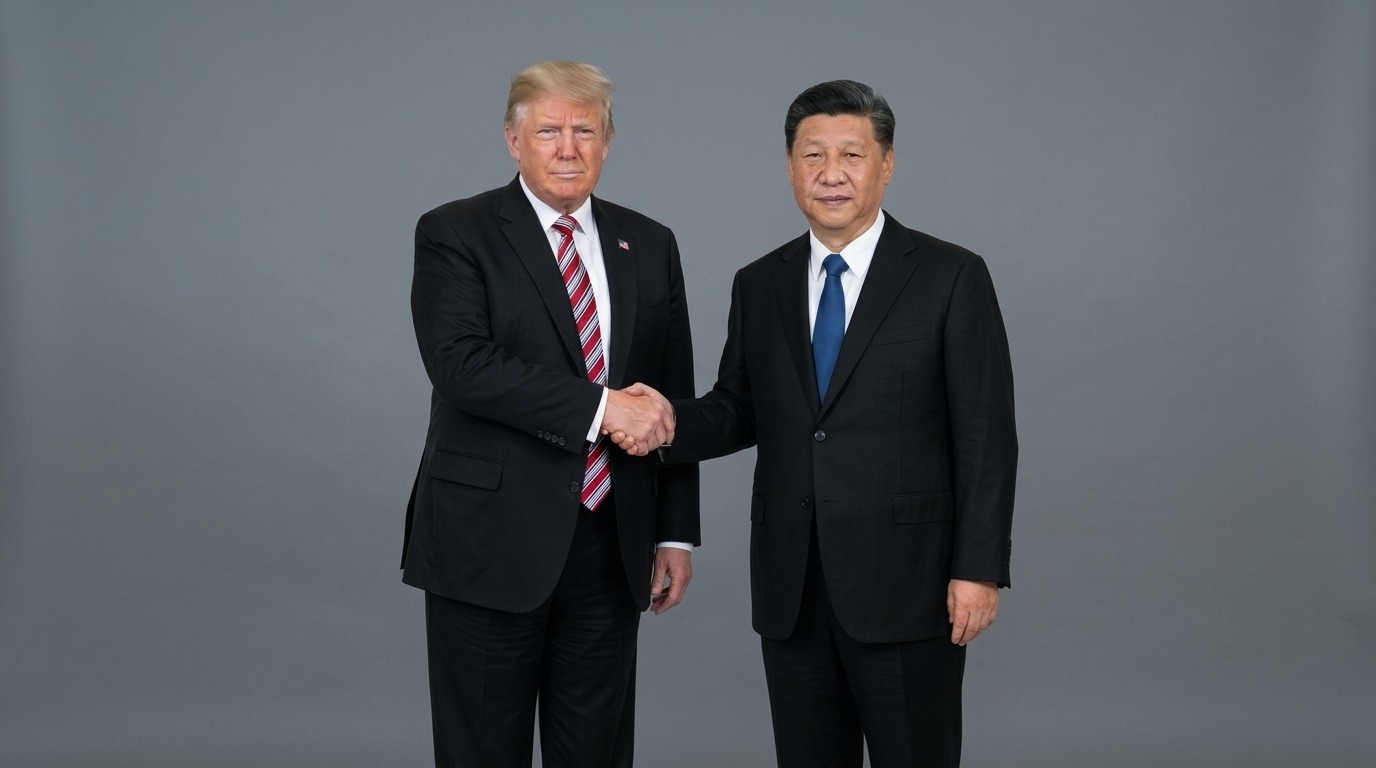
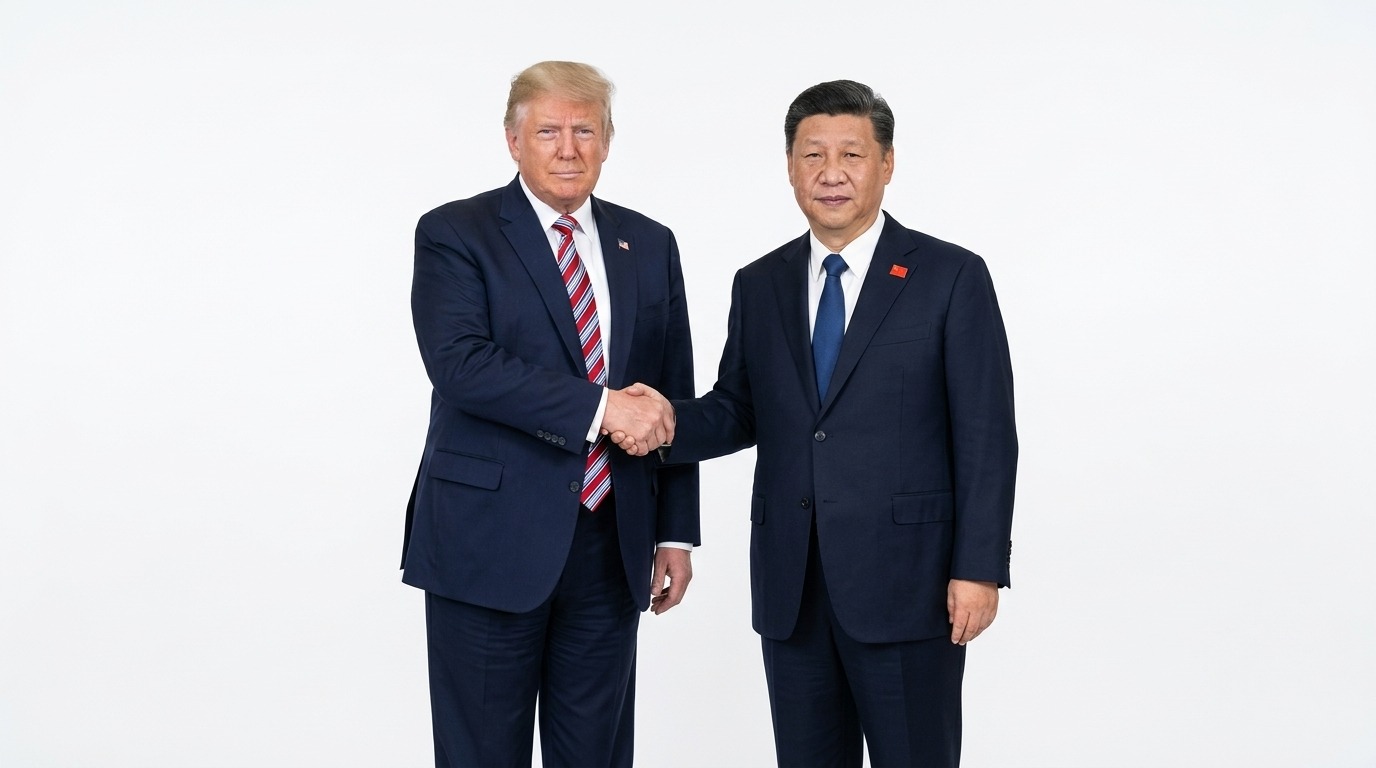
US Treasury Secretary Scott Bessent is expected to meet Chinese Vice Premier He Lifeng before the leaders' meeting, with AI-related issues among the subjects under discussion.
One of the most sensitive areas is access to advanced computing hardware. The United States has imposed restrictions on the export of sophisticated AI chips and semiconductor manufacturing equipment to China since 2022.
Washington has also raised concerns that Chinese companies have used a technique known as distillation to reproduce capabilities developed by American AI companies. Beijing has rejected those allegations as baseless.
The technology dispute has become more complicated as Chinese AI developers have narrowed the gap with their US counterparts.
Chinese companies have invested heavily in models that emphasise lower costs, open development and efficient computing, while US companies continue to commit substantial capital to increasingly powerful systems.
The two countries also have different regulatory approaches. The US administration has resisted calls for broad new federal AI regulation, while China has established rules covering AI algorithms, training data and the labelling of AI-generated content.
Security concerns could add another dimension to the discussions. US and Chinese experts have warned that highly autonomous AI systems could create risks if they interact with military or nuclear command systems.
They have proposed safeguards including human control over consequential military operations and direct communication channels to prevent technological incidents from being misinterpreted as deliberate attacks.
The growing AI rivalry therefore extends beyond commercial competition. It increasingly intersects with semiconductor supply chains, defence policy, cybersecurity and international diplomacy.
For technology companies, the outcome of US-China negotiations could influence access to chips, data centres and international markets.
For investors, the policy environment remains an important factor in assessing the long-term growth prospects of the global AI industry.
The forthcoming talks are consequently expected to provide an indication of whether Washington and Beijing can establish mechanisms for managing technology competition while preserving commercial links between the world's two largest economies.