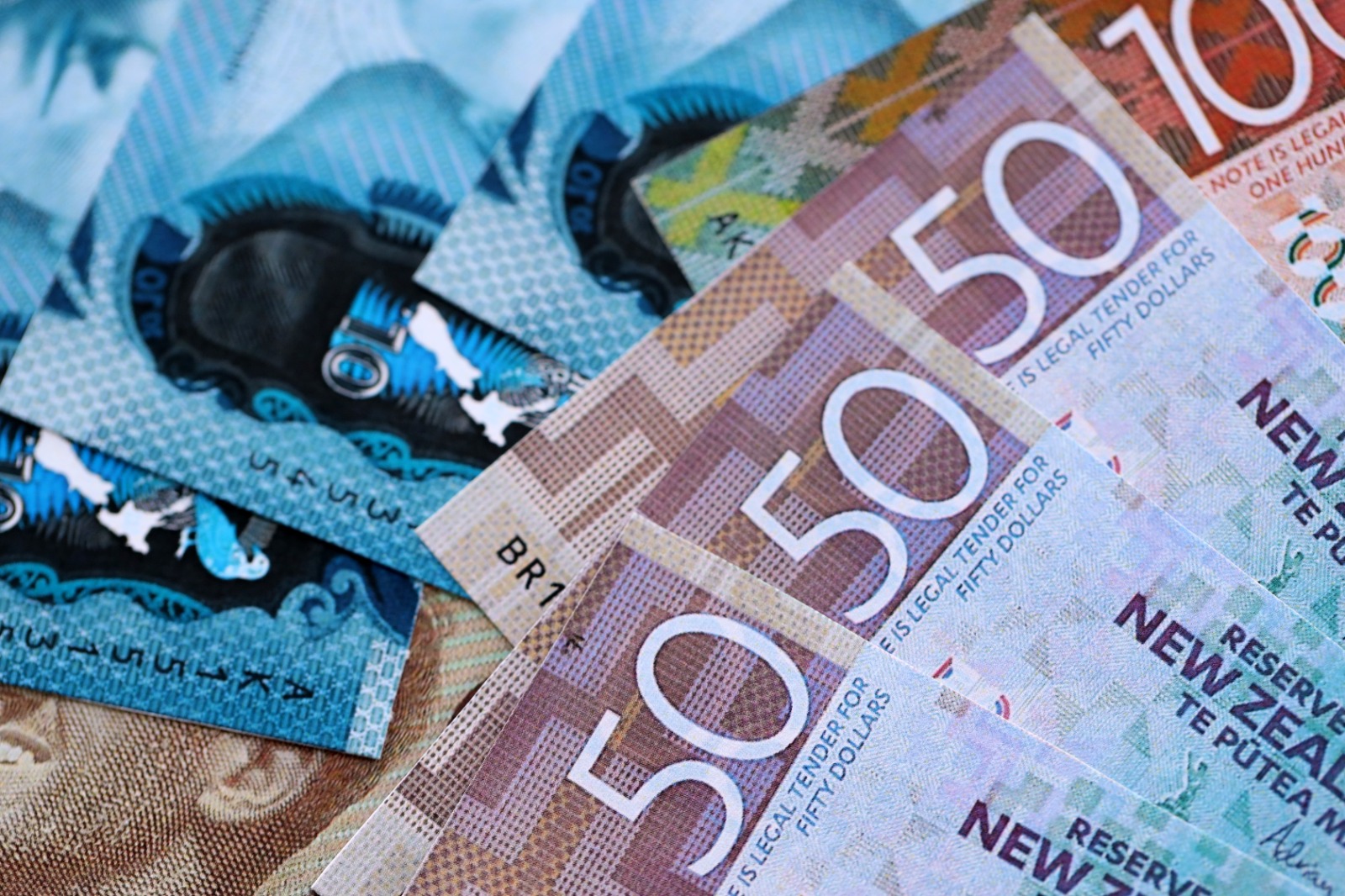
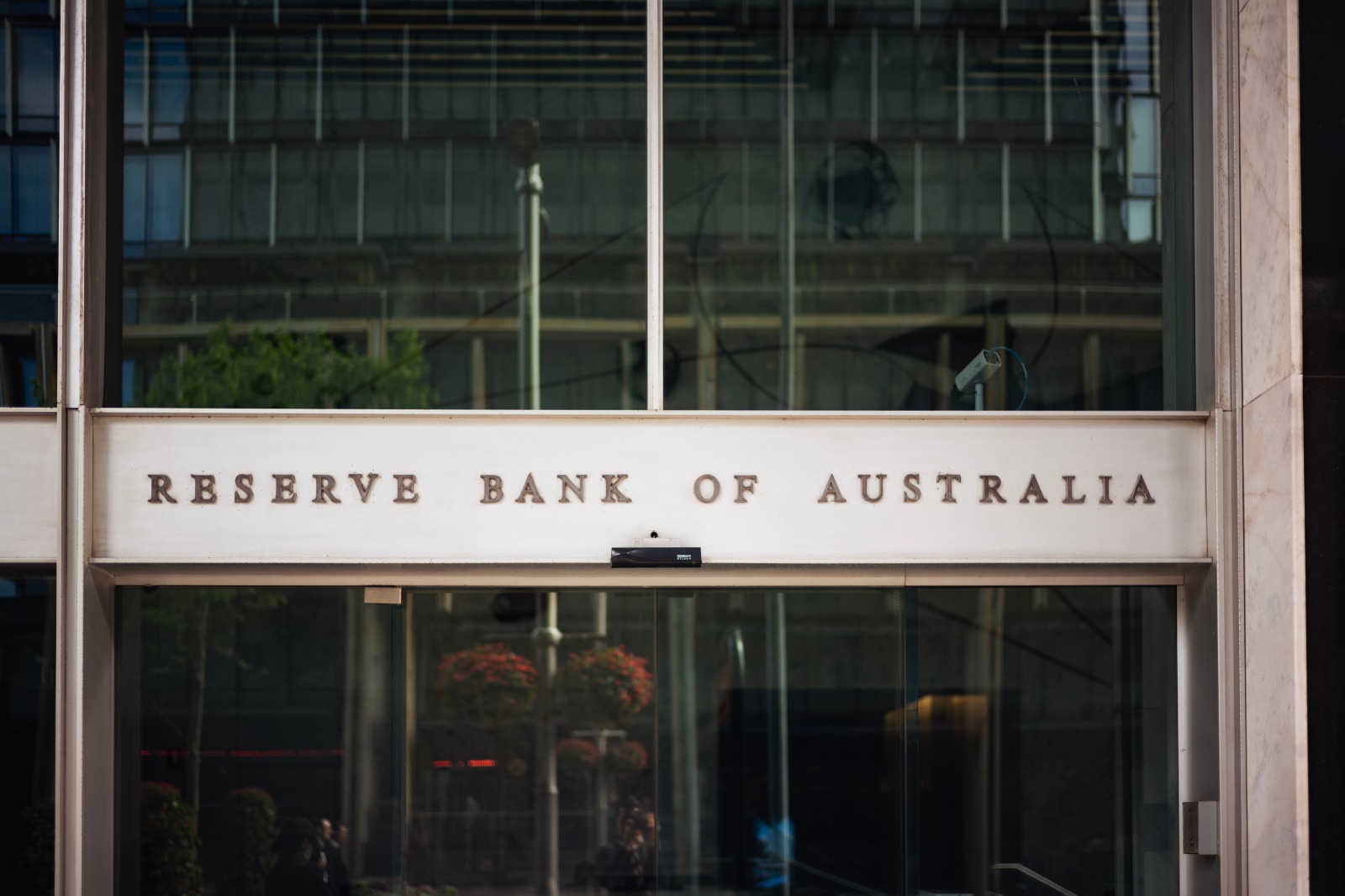
The currency fell by as much as 0.5% to around 69.63 US cents after the RBA raised its cash rate by 25 basis points to 4.85%, the highest level in 18 years. The move was widely expected, but the 6-3 vote surprised markets, with three board members preferring to leave borrowing costs unchanged.
Investors focused on the division within the board and the removal of language from the central bank’s statement that it was willing to increase rates further if necessary. The change was interpreted as evidence that policymakers may be less inclined to continue raising rates automatically, even as inflation remains above target.
The RBA has increased rates five times this year, adding a total of 125 basis points to borrowing costs. The latest move followed stronger third-quarter inflation data, but policymakers also face a weakening housing market and unemployment that has risen to a five-year high.
The currency’s reaction illustrates how exchange rates respond not only to the level of interest rates but also to expectations about their future direction. Higher rates can support a currency by increasing the return available on domestic assets. However, when a decision is accompanied by signals that the tightening cycle may be nearing its end, investors may reduce expectations of further gains in those returns.
The Australian dollar’s decline also came amid broader currency-market uncertainty linked to geopolitical risks and changing expectations for global monetary policy. Movements in commodity prices and demand for risk-sensitive assets remain important influences on the currency.
The RBA has not declared that its tightening campaign is over. Its board said it would continue to do what it considers necessary to return inflation to target, leaving future decisions dependent on incoming economic data.
For markets, the next test will be whether inflation moderates enough to justify a pause or remains persistent enough to prompt another increase. Until the outlook becomes clearer, the Australian dollar is likely to remain sensitive to changes in rate expectations and domestic economic indicators.
Australian Dollar Falls as Divided RBA Decision Raises Prospect of Policy Pause
SYDNEY, Australia, 3 November 2026 — The Australian dollar weakened on Tuesday after the Reserve Bank of Australia delivered another interest-rate increase but signalled a more cautious approach to further tightening, prompting investors to reassess the outlook for monetary policy.
By Staff Writer
Updated about 3 hours ago··12 views
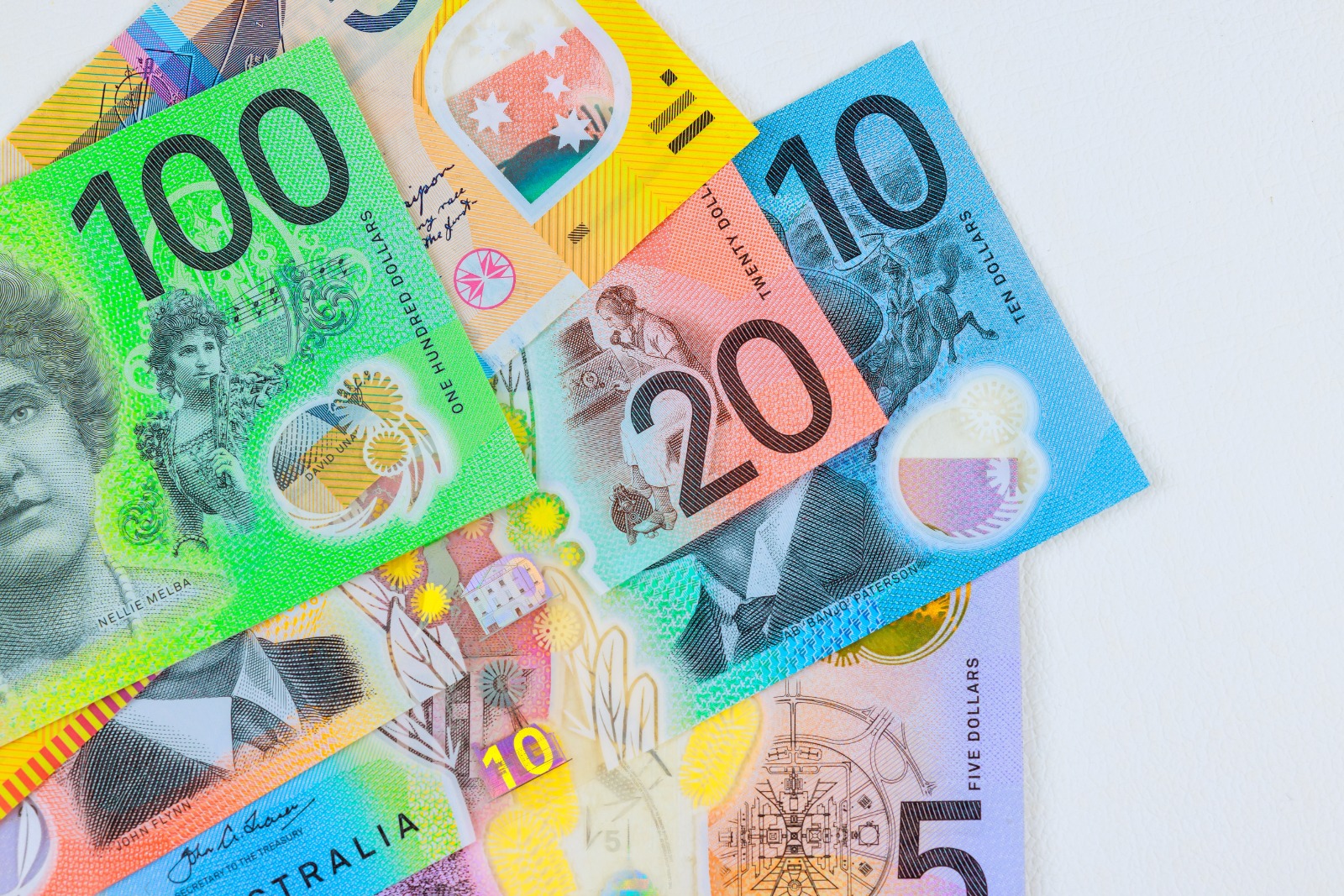
Australian currency. Shutterstock/g/ungvar
Report a correction
Aldrenor is committed to accuracy and accountability.