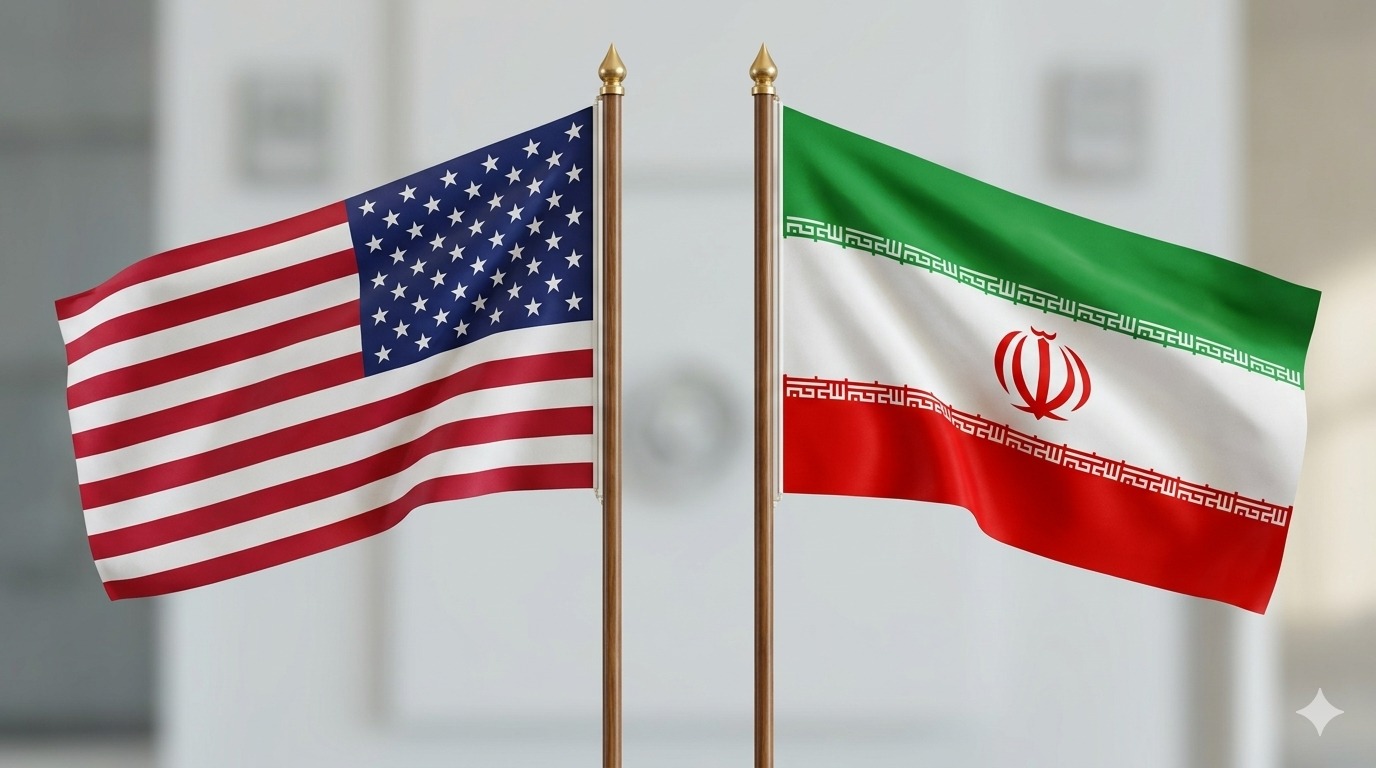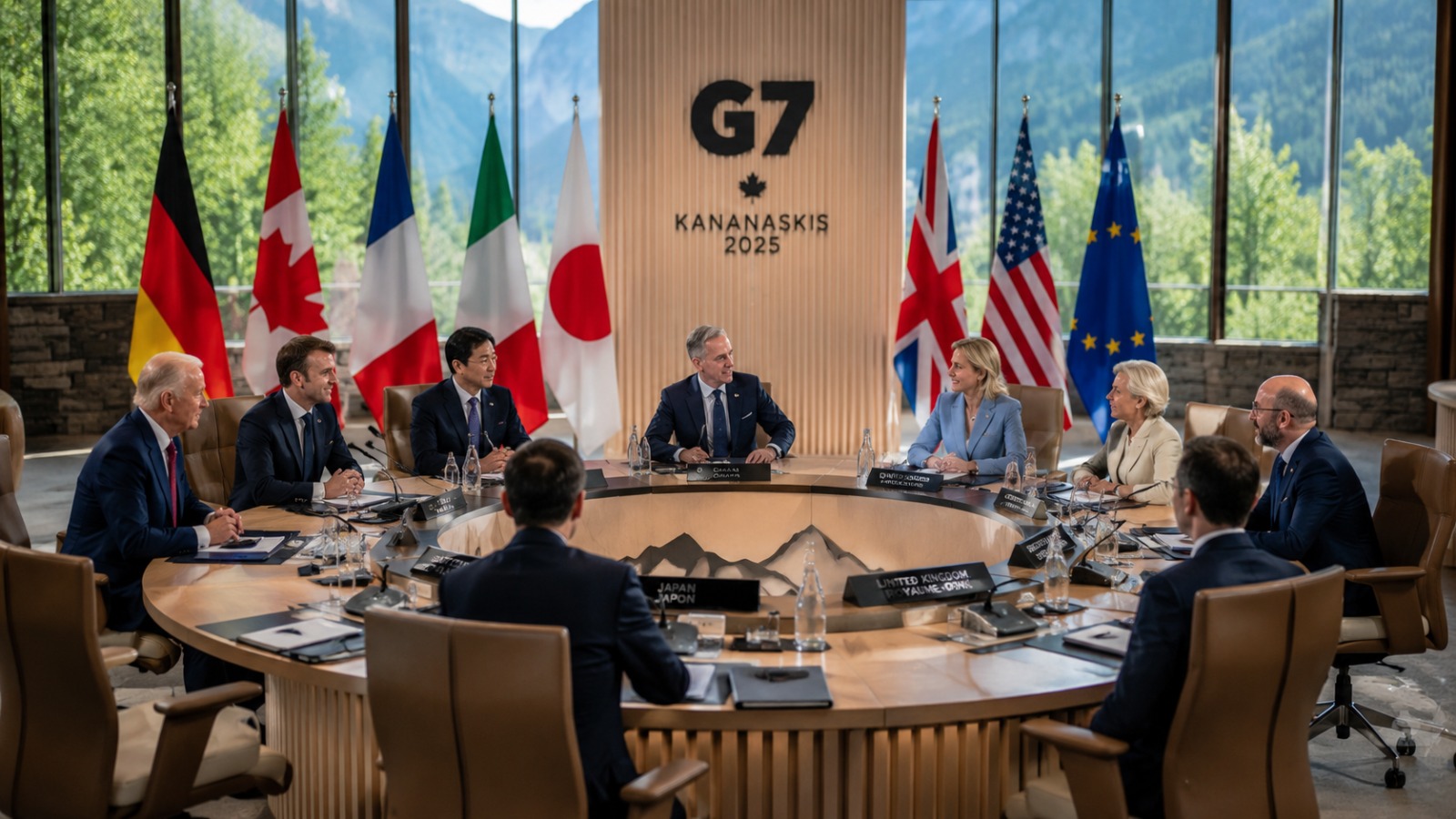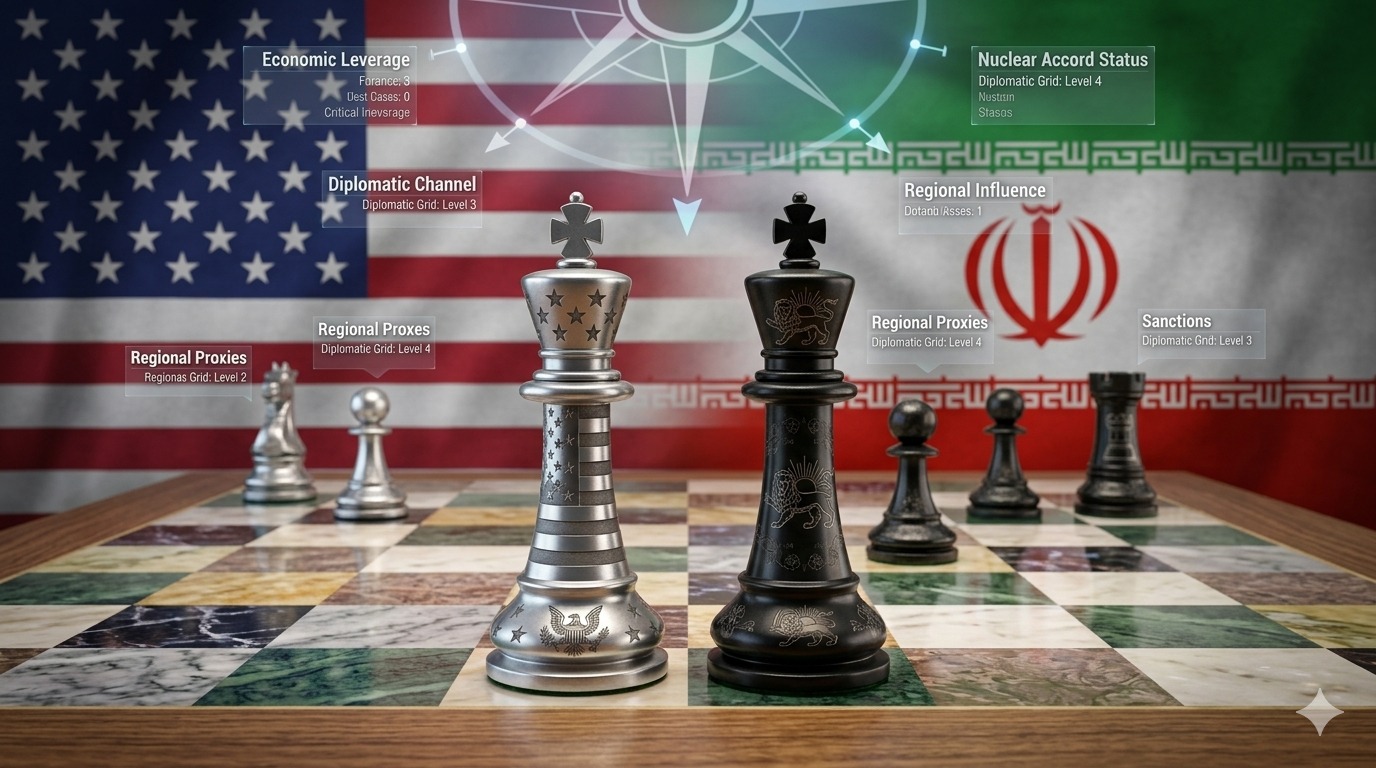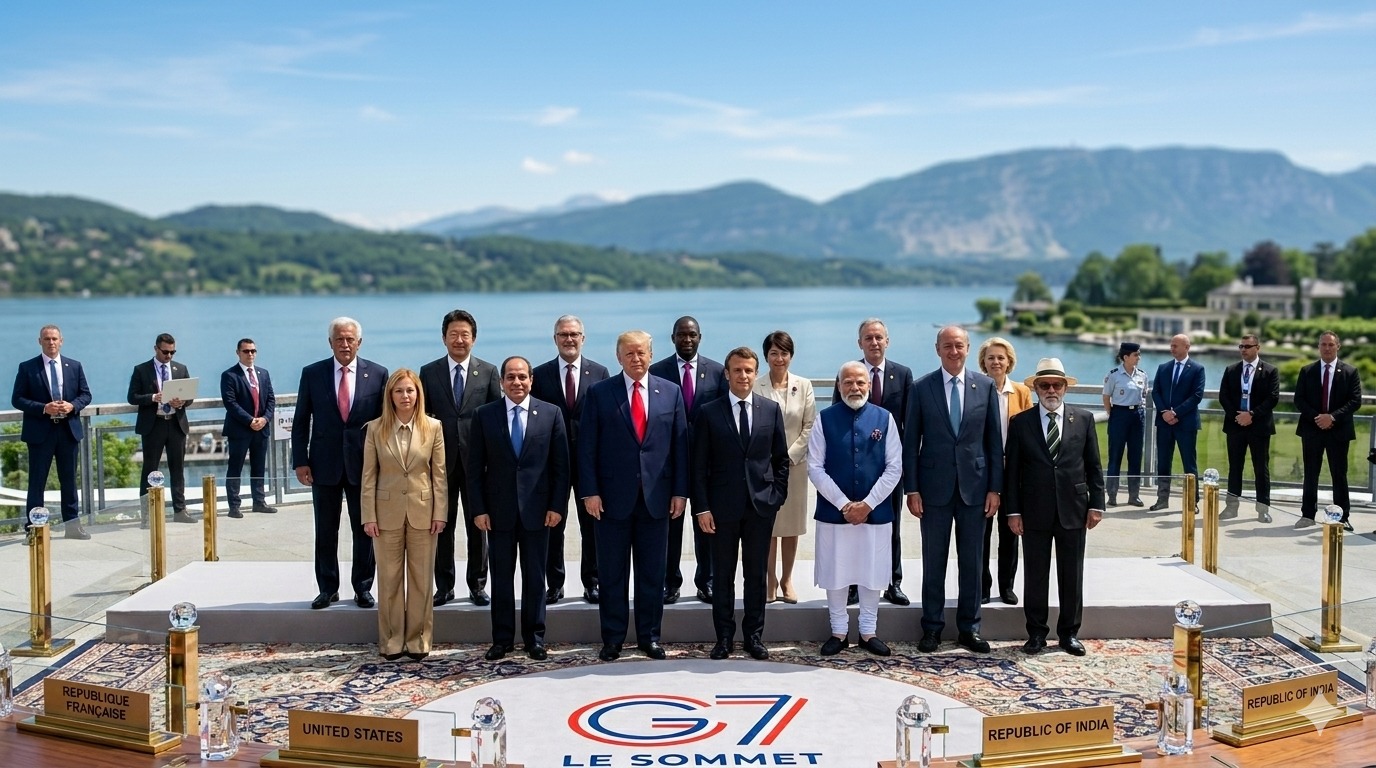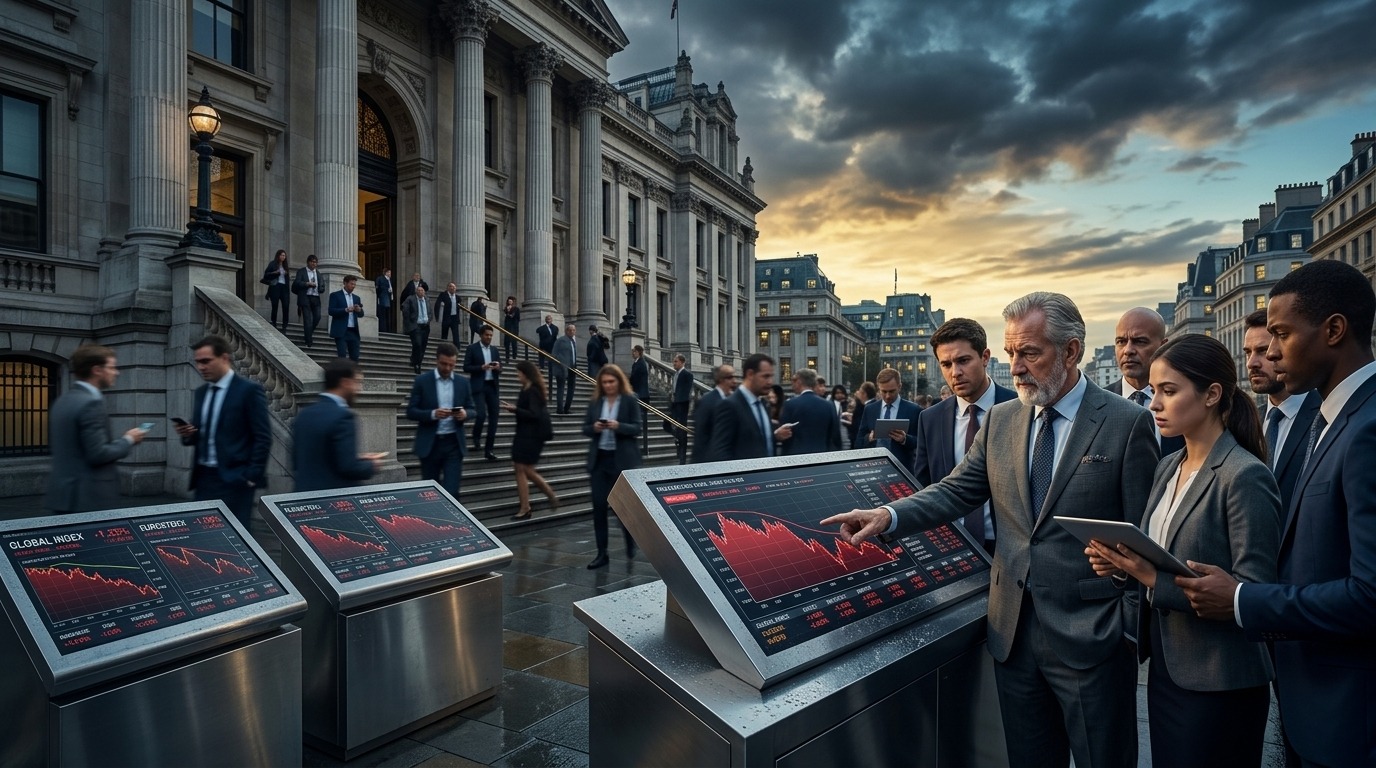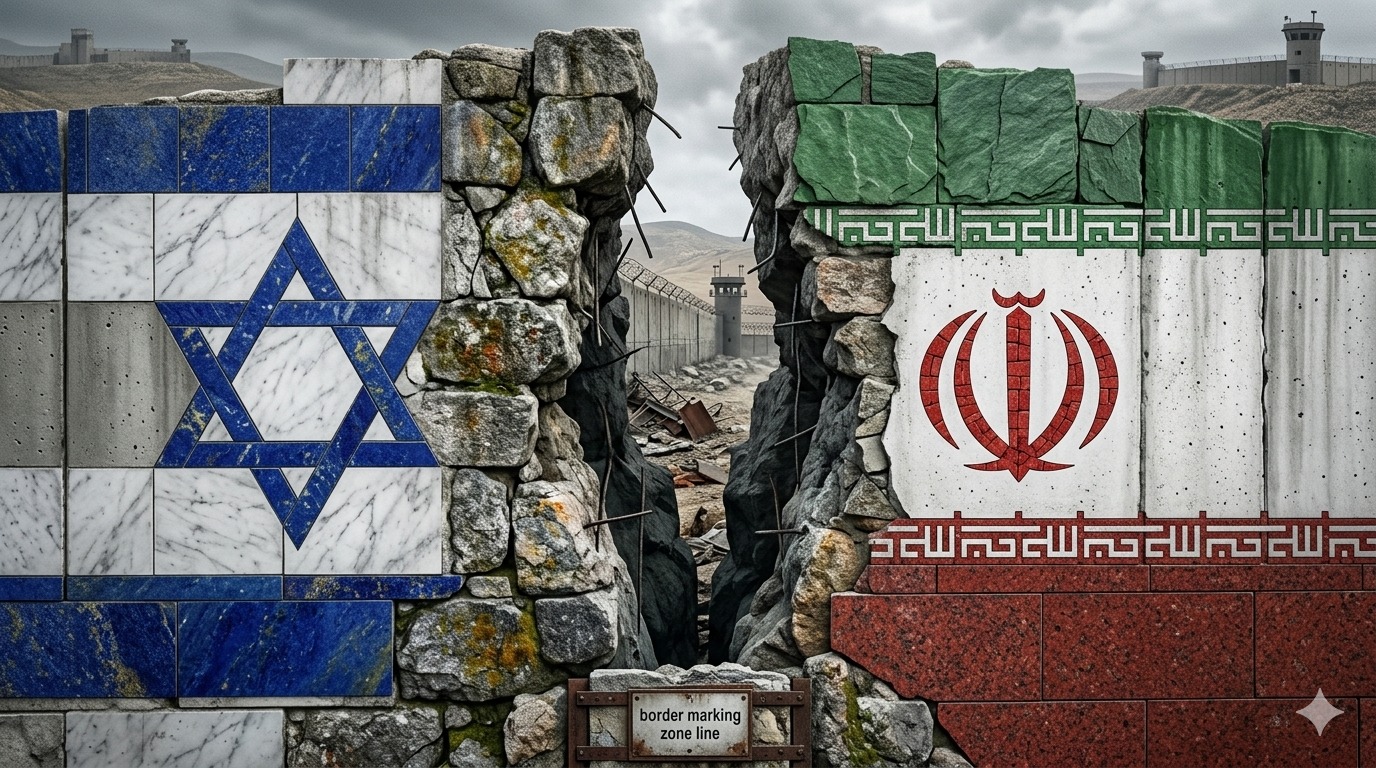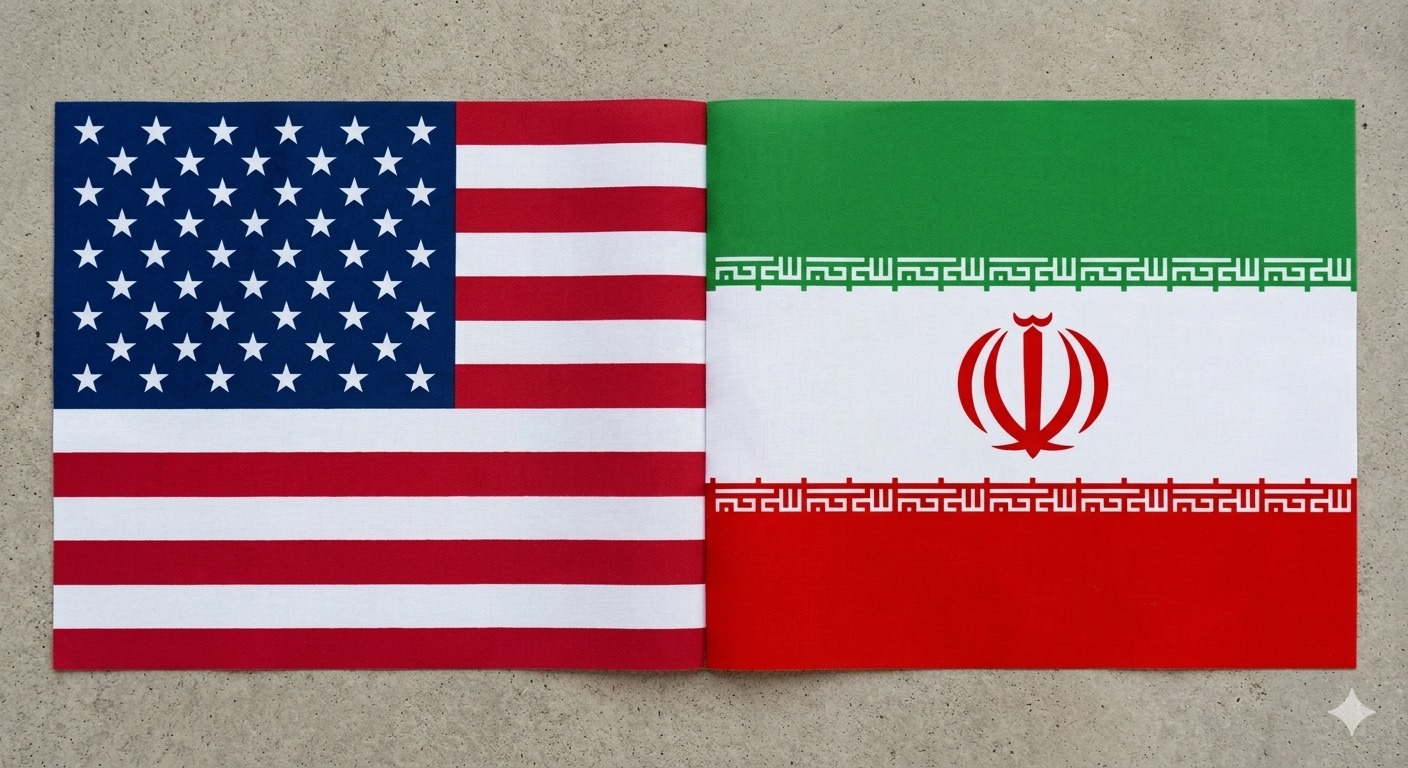
The agreement, which signals a potential easing of tensions in one of the world's most strategically significant regions, has already contributed to lower oil prices and improved investor sentiment. However, analysts caution that the broader implications extend well beyond energy markets.
Financial institutions and multinational firms are increasingly evaluating how a more stable Middle East could affect global trade flows, investment decisions and regional economic cooperation. The agreement may also influence sanctions policy, shipping activity and diplomatic relations across multiple regions.
For policymakers, the development presents an opportunity to reduce uncertainty surrounding global energy supplies while potentially creating space for broader diplomatic engagement. Several governments have welcomed the framework as a positive step toward reducing geopolitical volatility.
Economists note that geopolitical risk has become a major economic variable in recent years. Episodes of instability have repeatedly affected commodity prices, inflation expectations and capital flows, making diplomatic progress economically significant as well as politically important.
The agreement is also expected to influence strategic planning among businesses operating in energy, logistics, infrastructure and financial services sectors. Companies with exposure to global trade routes are closely monitoring developments for signs of sustained stability.
Investors have responded positively, with markets reflecting expectations that lower geopolitical risk could support growth and reduce pressure on inflation. Nevertheless, analysts warn that implementation and long-term durability remain critical considerations.
For business leaders, the key question is whether the framework marks the beginning of a broader shift toward regional stability or merely a temporary reduction in tensions. The answer will influence investment decisions, supply-chain planning and risk assessments across global markets.
As diplomatic discussions continue, governments and corporations alike are preparing for a geopolitical landscape that could look significantly different from the one that shaped markets earlier this year.