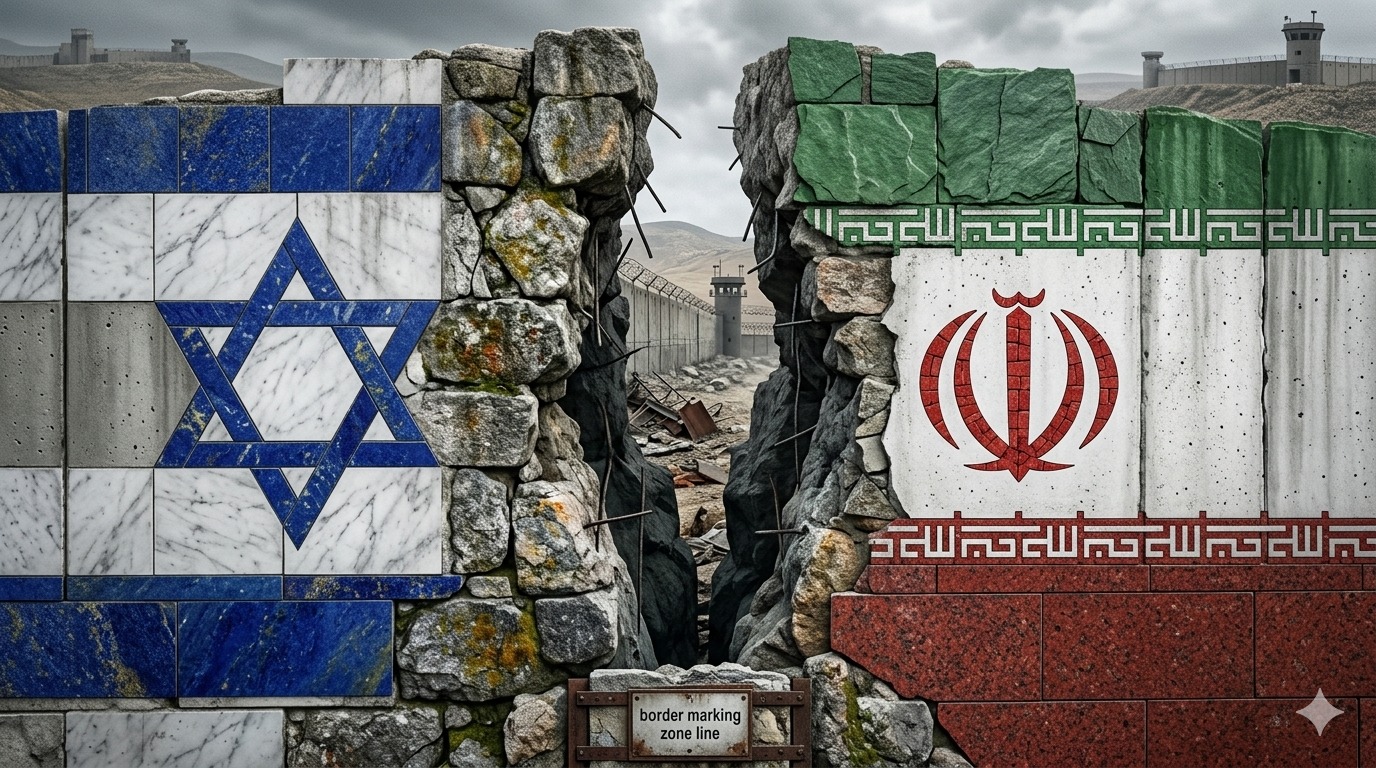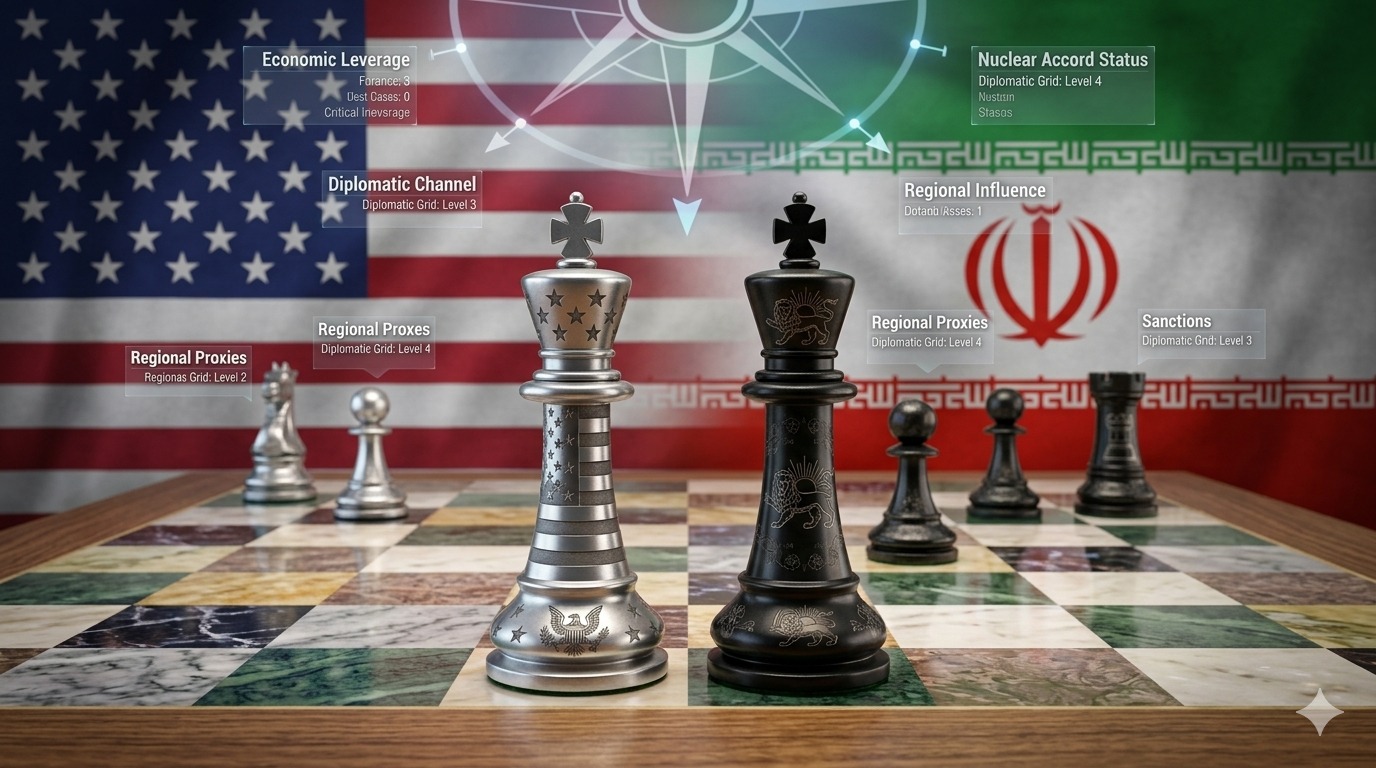
While diplomatic and military developments remain the primary focus of governments, markets have shifted attention toward the broader economic consequences of instability in one of the world's most strategically important regions. Energy markets, shipping networks and global trade flows are among the areas most exposed to potential disruption.
The Middle East plays a central role in global energy supply, and any threat to production or transportation routes has the potential to influence oil prices, inflation expectations and economic growth across multiple regions. Businesses are therefore monitoring developments not only from a security perspective but also through the lens of operational and financial risk.
Analysts say the economic transmission mechanism is already visible. Rising energy prices have contributed to market volatility and renewed concerns about inflation, complicating monetary-policy expectations in major economies.
The implications are particularly significant for energy-importing nations and industries dependent on stable transportation networks. Manufacturing firms, logistics providers and consumer-facing businesses may all experience indirect effects if costs continue to rise.
Governments are increasingly focused on balancing security priorities with economic stability. Policymakers recognise that prolonged uncertainty could affect investor confidence, capital flows and broader economic performance at a time when many economies are already navigating slower growth and elevated debt levels.
Financial markets have responded cautiously, with investors reassessing exposure to sectors vulnerable to energy-price shocks and geopolitical uncertainty. At the same time, energy-related assets have benefited from expectations of tighter supply conditions.
Economists note that modern geopolitical crises are rarely confined to politics alone. In a highly interconnected global economy, regional instability can quickly influence inflation, trade, investment and corporate strategy.
For business leaders and investors, the key question is no longer whether geopolitical tensions matter economically, but how deeply those effects may be felt across markets and industries in the months ahead.