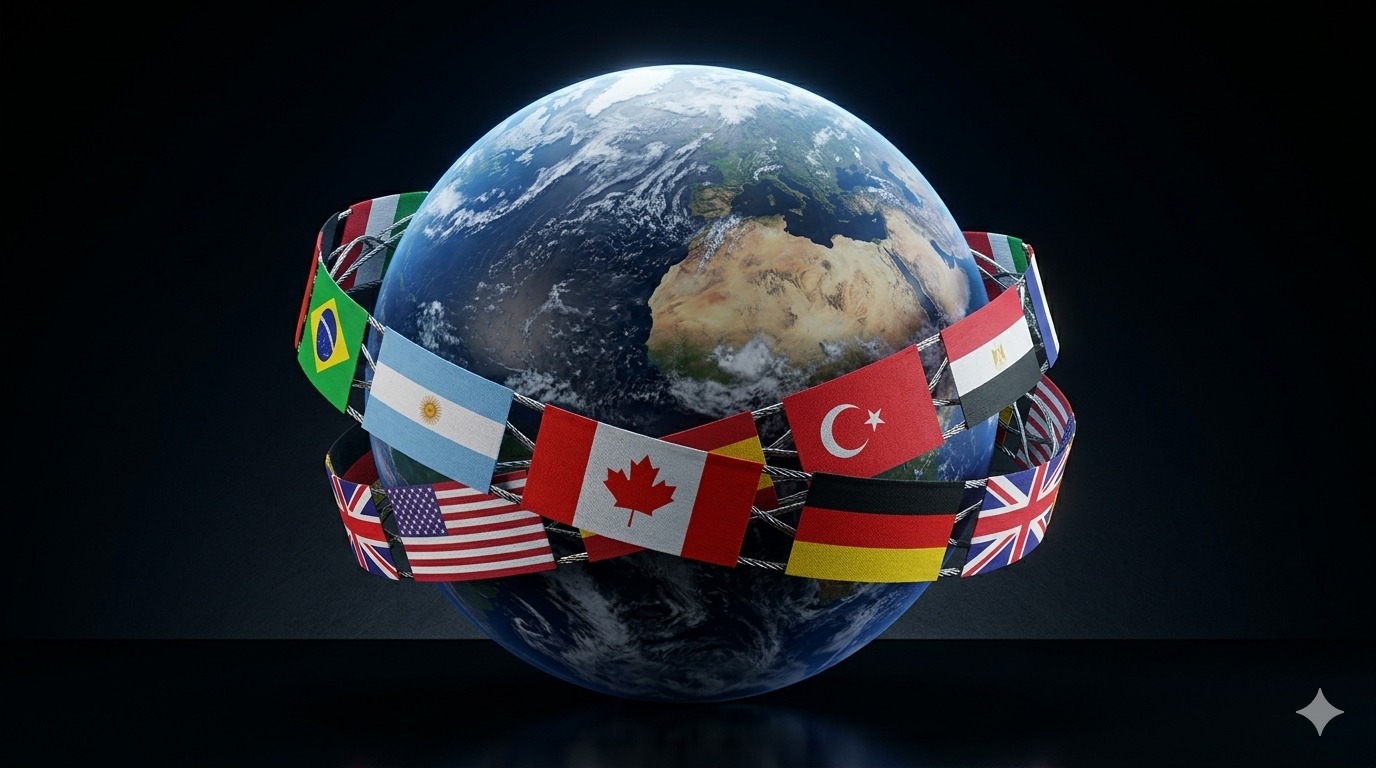
The challenge comes at a time when governments are confronting competing priorities including inflation management, fiscal discipline, energy security, employment growth and national-security considerations. Recent geopolitical developments have further complicated policy decisions by introducing new risks to trade, supply chains and global economic stability.
For many administrations, maintaining public confidence remains a central objective. Households and businesses continue to monitor inflation, borrowing costs and economic growth prospects, while governments seek to mitigate the impact of external shocks on domestic economies.
Political decisions increasingly carry direct economic consequences. Measures relating to energy policy, trade restrictions, industrial strategy and international relations can influence investment sentiment, market performance and corporate planning across multiple sectors.
Business leaders are paying close attention to policy signals as uncertainty surrounding geopolitical developments affects long-term investment decisions. Companies are seeking greater clarity on regulatory frameworks, trade relationships and economic priorities before committing capital to large-scale projects.
Analysts note that the political landscape has become more interconnected with financial and economic outcomes than at any point in recent years. Governments are expected not only to respond to geopolitical events but also to manage their economic implications.
Fiscal policy is emerging as a particularly important area of focus. Policymakers must balance spending commitments with debt sustainability while ensuring adequate investment in infrastructure, energy systems and economic competitiveness.
International cooperation remains another key consideration. Governments continue engaging with allies and multilateral institutions to address shared challenges affecting security, trade and economic resilience.
Economists say the ability of political leaders to maintain stability while navigating external uncertainty will play a critical role in shaping growth prospects through the remainder of the year.
For investors, businesses and policymakers alike, the intersection of politics and economics is becoming an increasingly important driver of decision-making, risk assessment and long-term strategic planning.