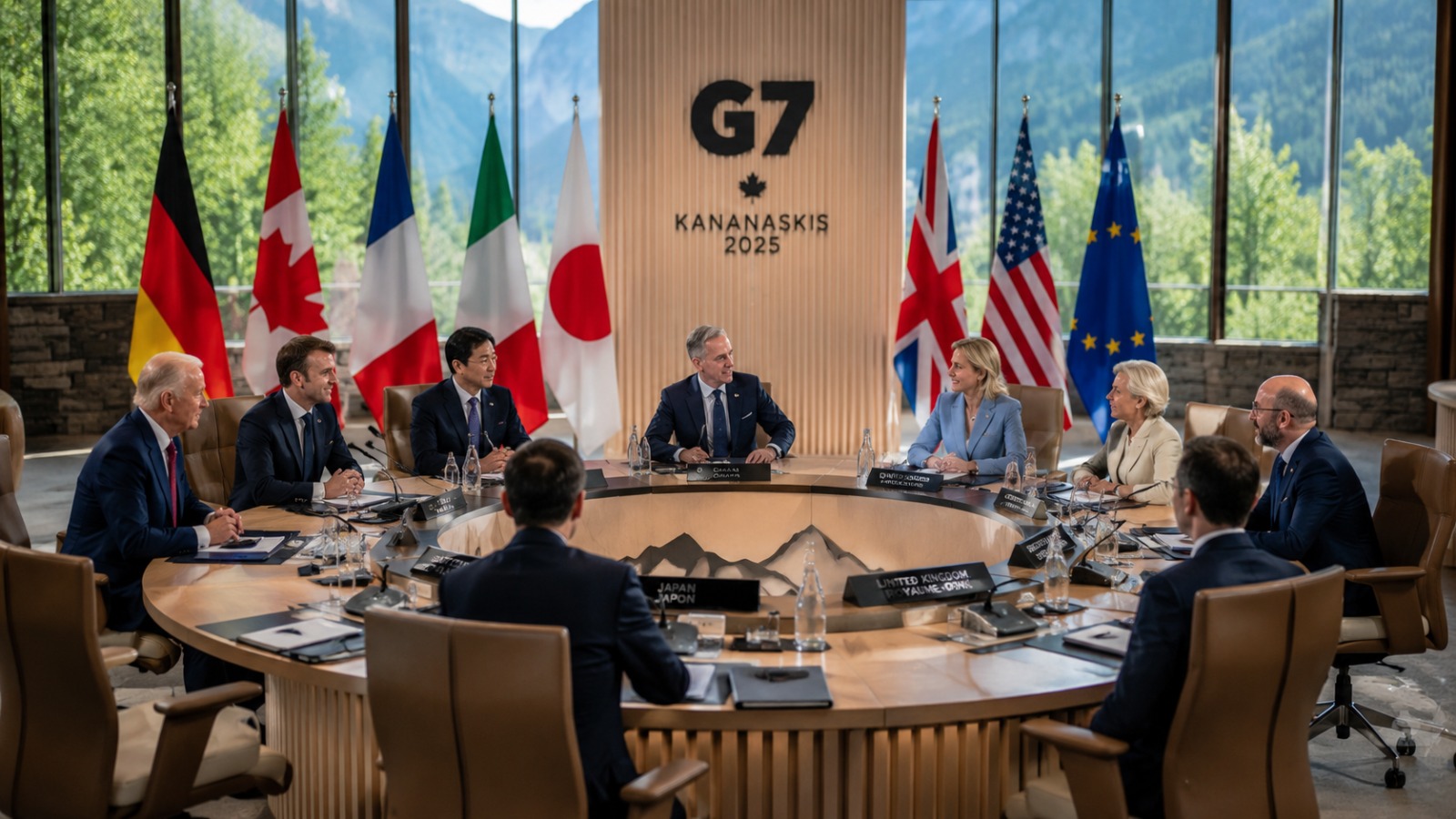
The initiative reflects growing recognition that access to minerals such as lithium, cobalt, nickel and rare earth elements has become central to modern economic growth. These materials are essential for electric vehicles, renewable energy systems, semiconductors, defence technologies and artificial intelligence infrastructure.
Officials involved in the discussions say the alliance aims to improve coordination among member states, reduce supply-chain vulnerabilities and strengthen resilience against future disruptions.
The move comes amid rising competition for strategic resources as governments increasingly seek to secure domestic industrial capabilities and reduce exposure to geopolitical risks. Supply concentration, export restrictions and disruptions linked to international tensions have intensified concerns among policymakers and business leaders alike.
Industry analysts describe the initiative as part of a broader evolution in global economic strategy, where resource security is becoming as important as trade policy and technological innovation.
The implications extend beyond mining. Manufacturers, technology companies, energy producers and infrastructure developers are all affected by the availability and affordability of critical materials. Reliable access influences investment decisions, production planning and long-term competitiveness.
Emerging markets rich in mineral resources may also experience increased investment interest as governments and corporations seek diversified supply options. This could create opportunities for infrastructure development, industrial expansion and regional economic growth.
Investors are paying close attention to companies involved in exploration, processing and supply-chain logistics, sectors expected to play a larger role in supporting the global energy transition and technology economy.
The alliance highlights a broader geopolitical reality: competition among nations is increasingly being shaped not only by military and diplomatic influence but also by control over the resources that power future industries.
For business leaders, the message is clear. Critical minerals are no longer simply commodities; they have become strategic assets influencing economic security, industrial policy and long-term growth.