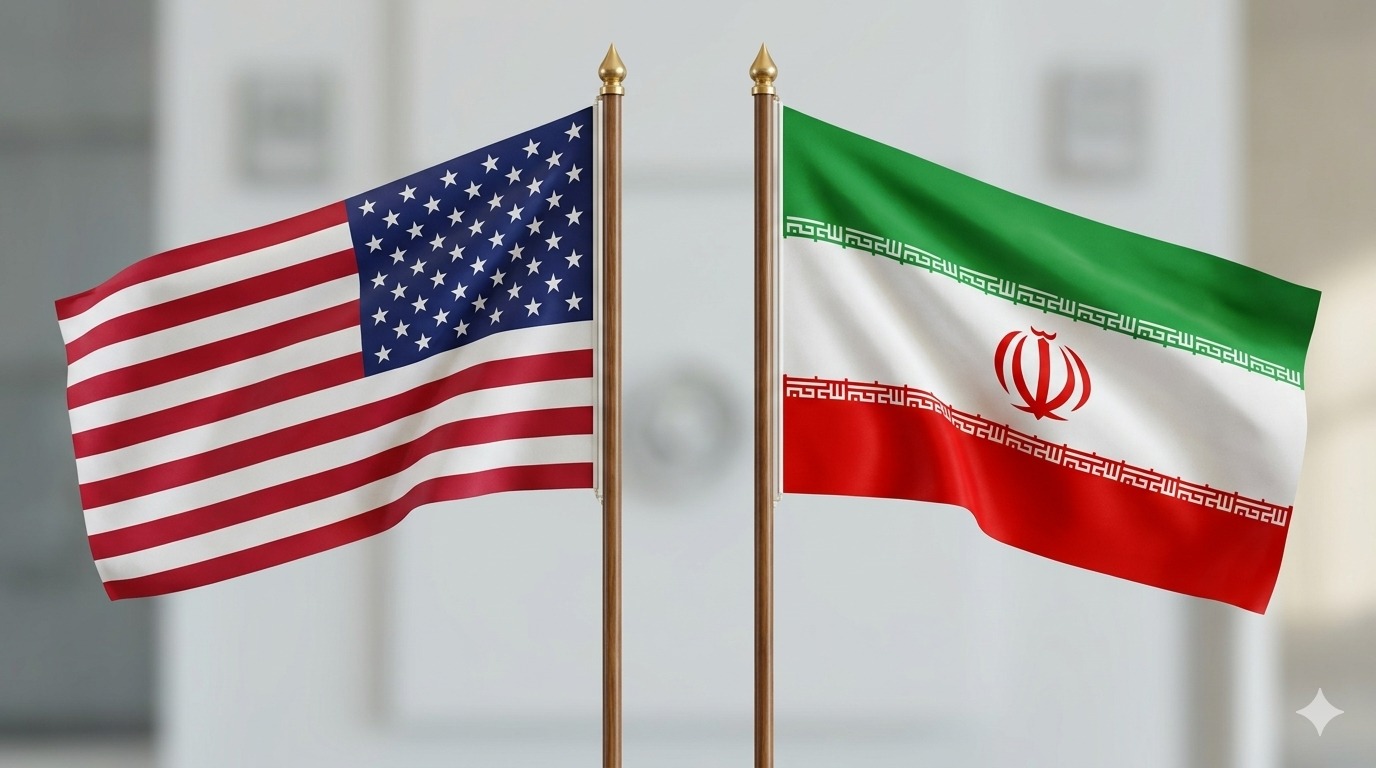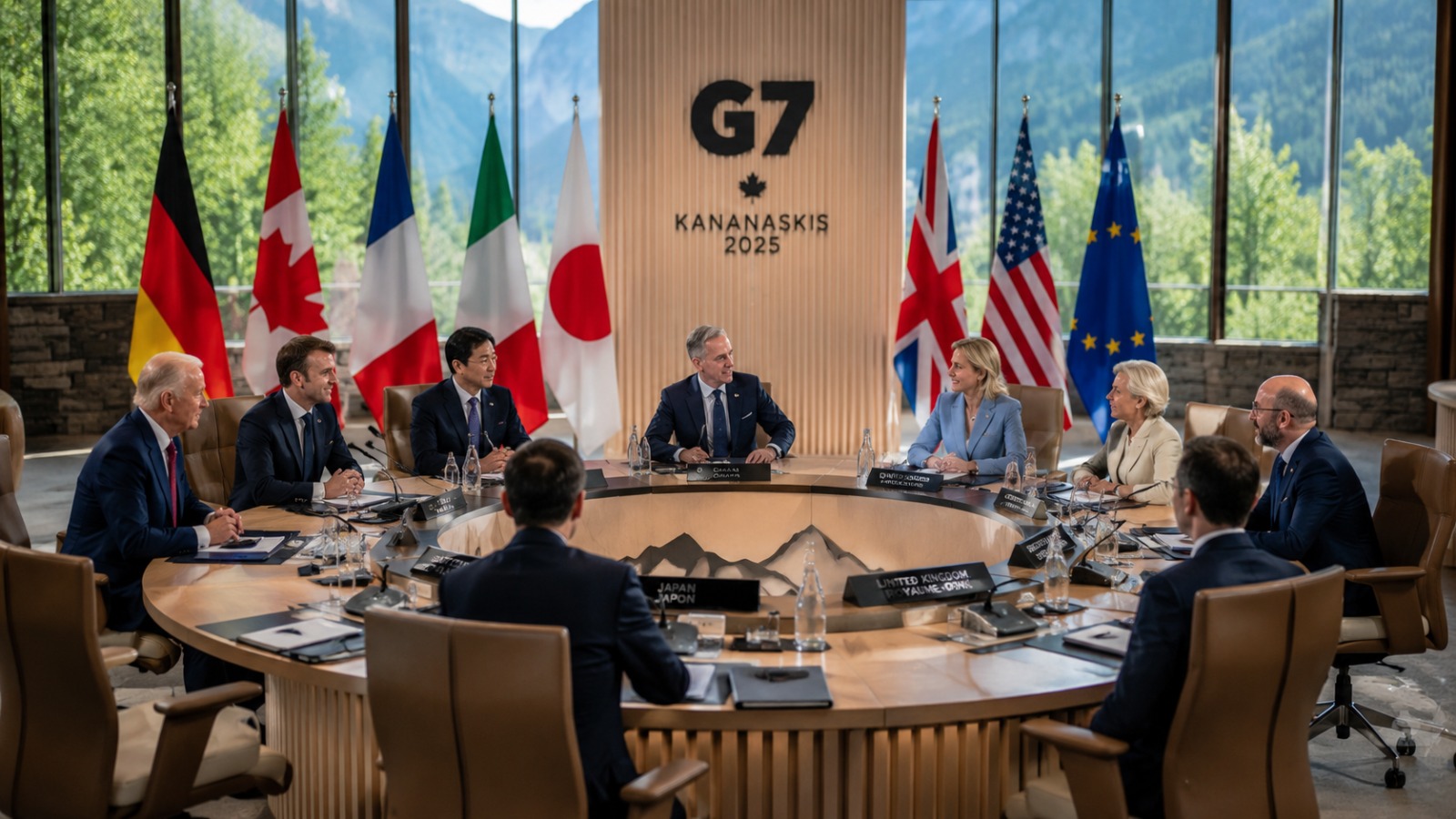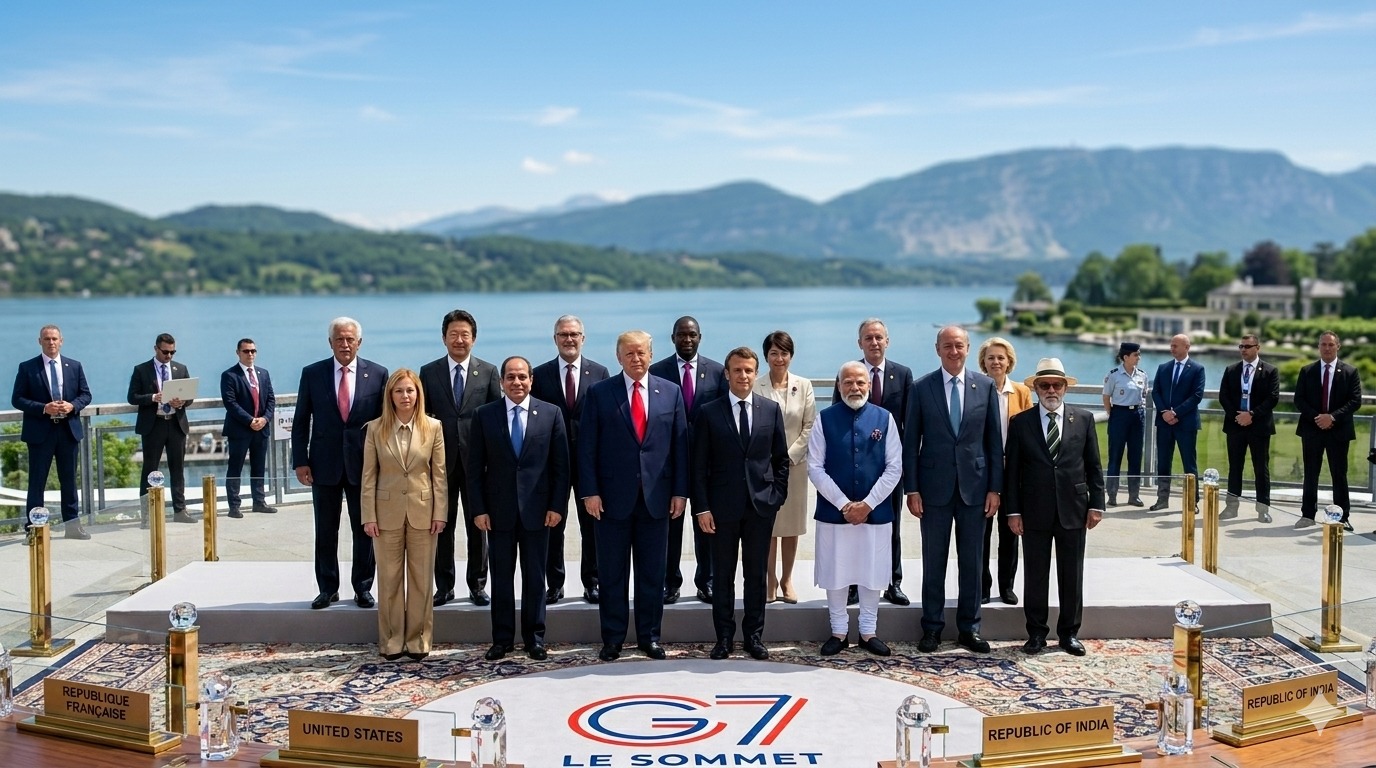
The ceasefire has contributed to a modest improvement in investor sentiment, helping stabilise oil prices and reducing immediate concerns about disruptions to shipping routes and regional energy infrastructure. However, policymakers and business leaders continue to monitor developments closely given the strategic importance of the Middle East to global commerce.
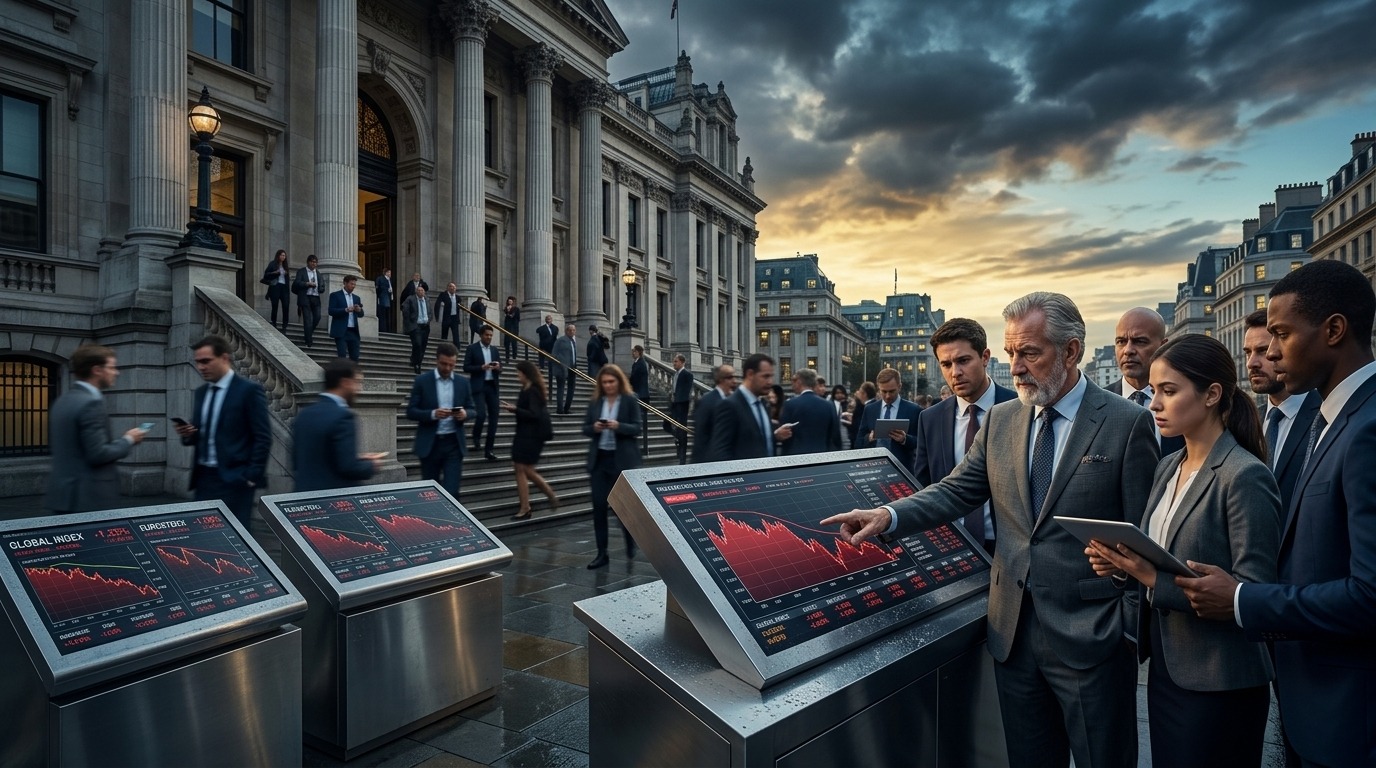
Recent tensions highlighted the extent to which geopolitical events can influence economic conditions far beyond the region itself. Energy prices, freight costs, insurance premiums and financial-market volatility all responded to uncertainty surrounding the conflict.
For governments, the episode has reinforced concerns about economic resilience and strategic dependency. Several countries have accelerated discussions around energy security, critical infrastructure protection and supply-chain diversification in response to heightened geopolitical uncertainty.
Investors are increasingly incorporating geopolitical risk into long-term decision-making processes. Asset managers, multinational corporations and financial institutions have expanded risk assessments to include potential disruptions linked to conflict, sanctions and trade fragmentation.
The implications extend beyond energy markets. Global manufacturers, technology firms and logistics operators continue evaluating how geopolitical developments may affect production networks, sourcing strategies and international expansion plans.
Economists note that geopolitical tensions are becoming a more significant driver of economic outcomes as governments adopt industrial policies aimed at strengthening domestic capabilities in critical sectors such as energy, semiconductors and advanced manufacturing.
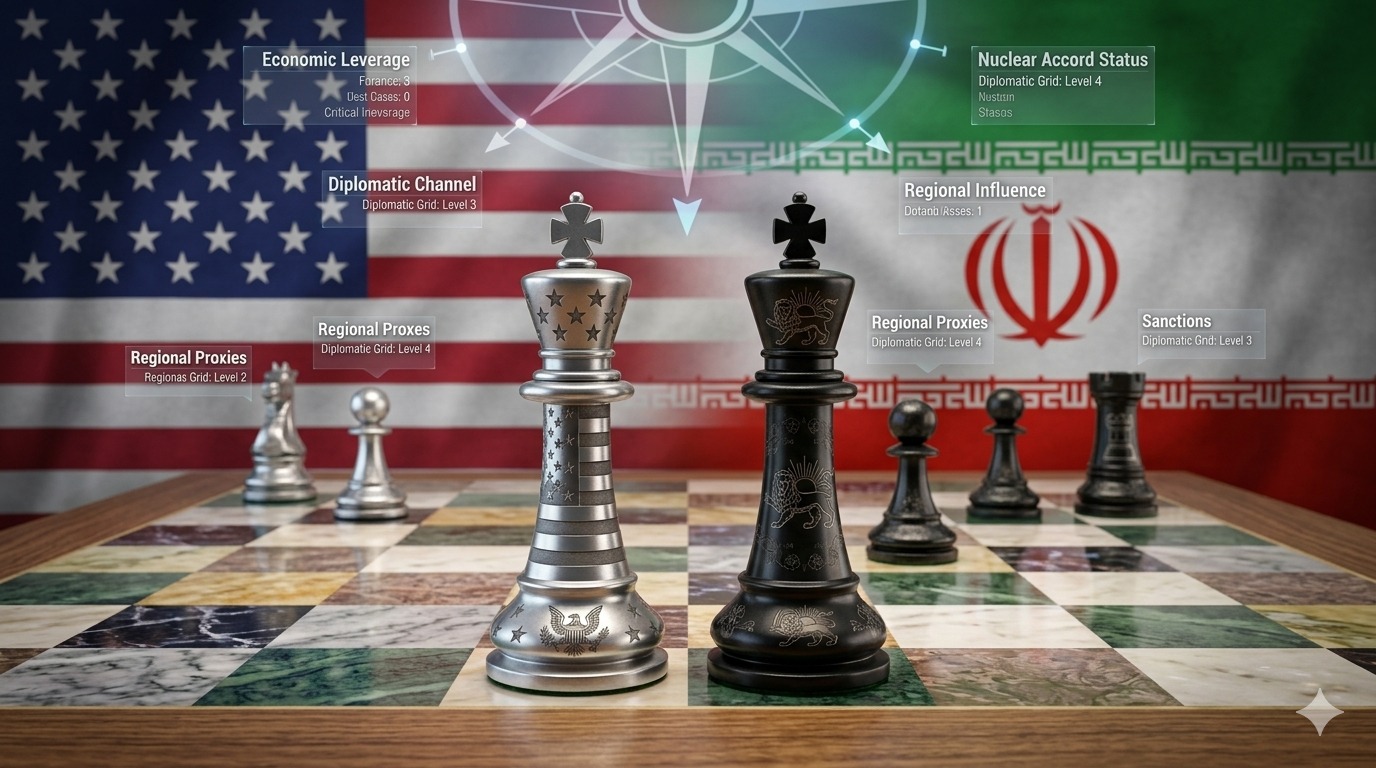
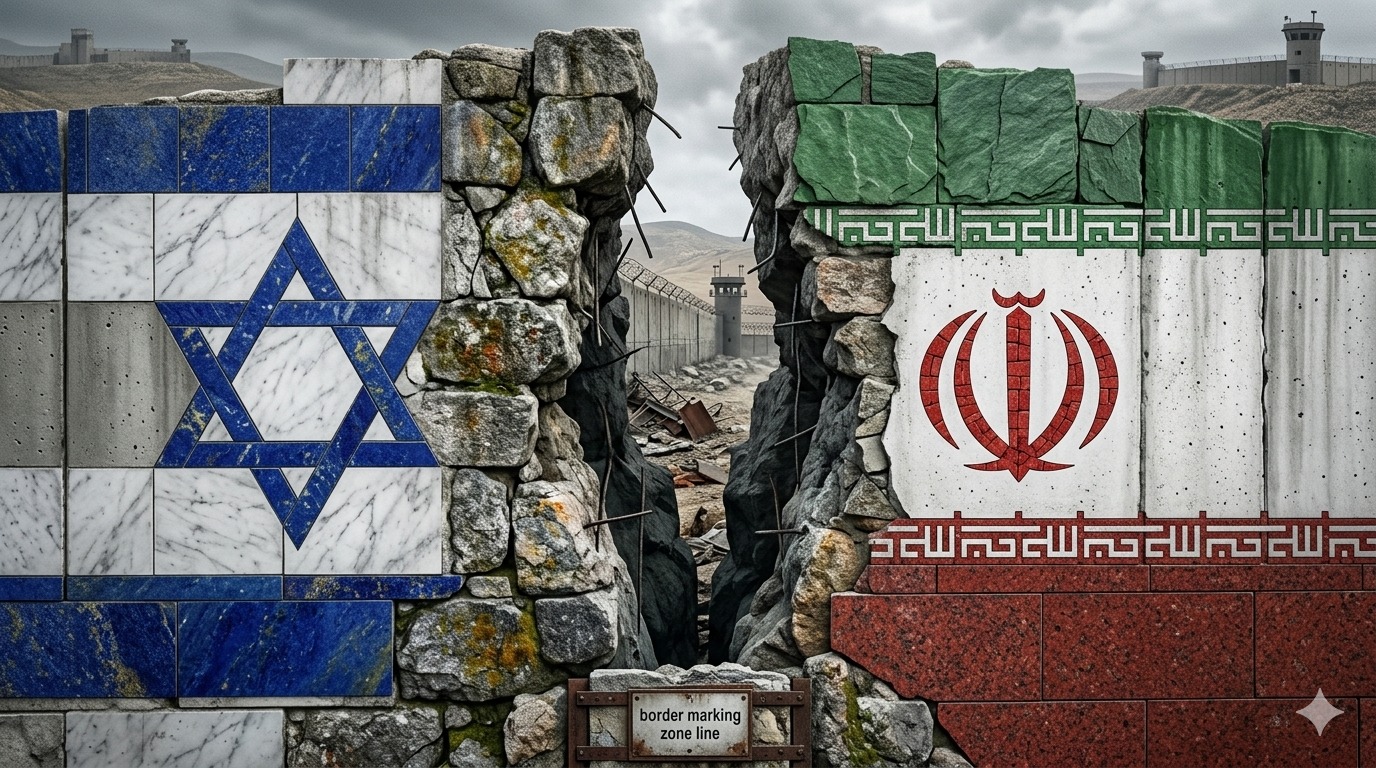
While the ceasefire has reduced immediate concerns, analysts caution that structural challenges remain. Regional rivalries, security considerations and competing strategic interests continue to influence diplomatic relations and economic planning.
For businesses and investors, the key lesson remains unchanged: geopolitical developments are increasingly shaping market conditions, investment flows and long-term economic strategy, making political risk analysis an essential component of corporate decision-making.