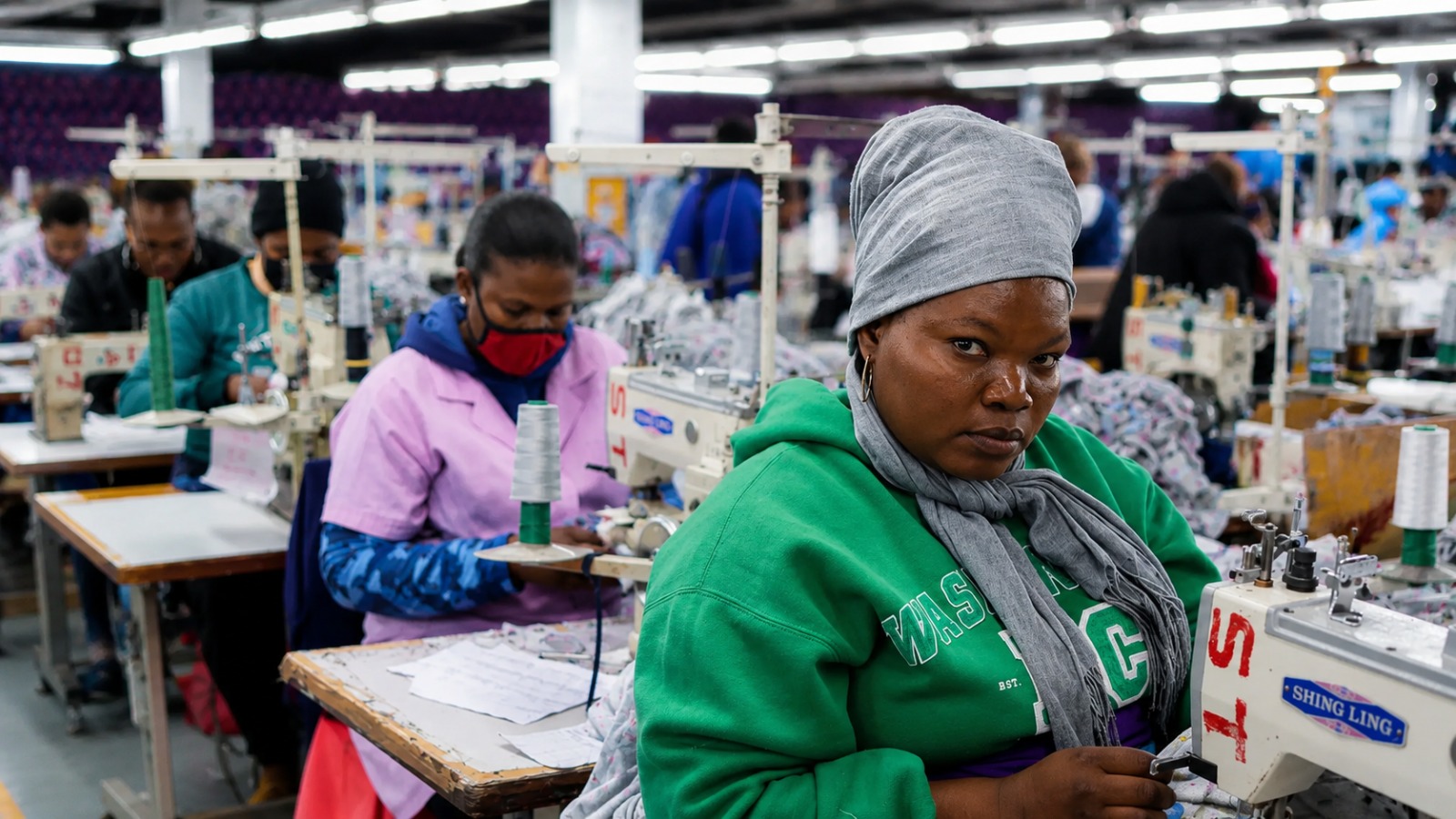
What was once largely viewed as a corporate social responsibility issue is increasingly being treated as a material business risk. Companies operating across multiple jurisdictions face growing pressure to demonstrate that products and services are not linked to forced labour, unsafe working conditions or other human-rights concerns.
The trend reflects a broader evolution in global governance standards. Governments in major economies have introduced regulations requiring greater transparency around sourcing practices, supplier relationships and labour conditions. Failure to comply can result in financial penalties, reputational damage and restricted market access.
For multinational corporations, the challenge lies in managing increasingly complex supplier networks. Modern supply chains often extend across numerous countries and involve multiple layers of contractors, subcontractors and raw-material providers. Achieving full visibility can require significant investment in monitoring systems, audits and digital traceability tools.
Investors are also paying closer attention. Environmental, social and governance considerations continue influencing capital allocation decisions, particularly among institutional investors, pension funds and development finance institutions. Companies perceived as having weak human-rights oversight may face higher reputational and operational risks.
The issue carries important implications for emerging markets seeking to attract international investment. Countries capable of demonstrating strong labour standards, transparent regulatory frameworks and effective compliance systems may gain a competitive advantage as companies reassess sourcing strategies.
Technology is playing an increasingly important role in this transition. Digital verification platforms, supply-chain analytics and traceability systems are being adopted to strengthen oversight and improve accountability throughout production networks.
For corporate leaders, the strategic calculation is changing. Human-rights compliance is no longer viewed solely as a legal or ethical obligation. It is becoming a core component of risk management, market access and long-term competitiveness.
As global regulations continue evolving, businesses are likely to face increasing expectations to provide evidence—not simply assurances—that human-rights standards are being upheld throughout their operations.
The result is a business environment where transparency and accountability are becoming increasingly important drivers of corporate value and investor confidence.