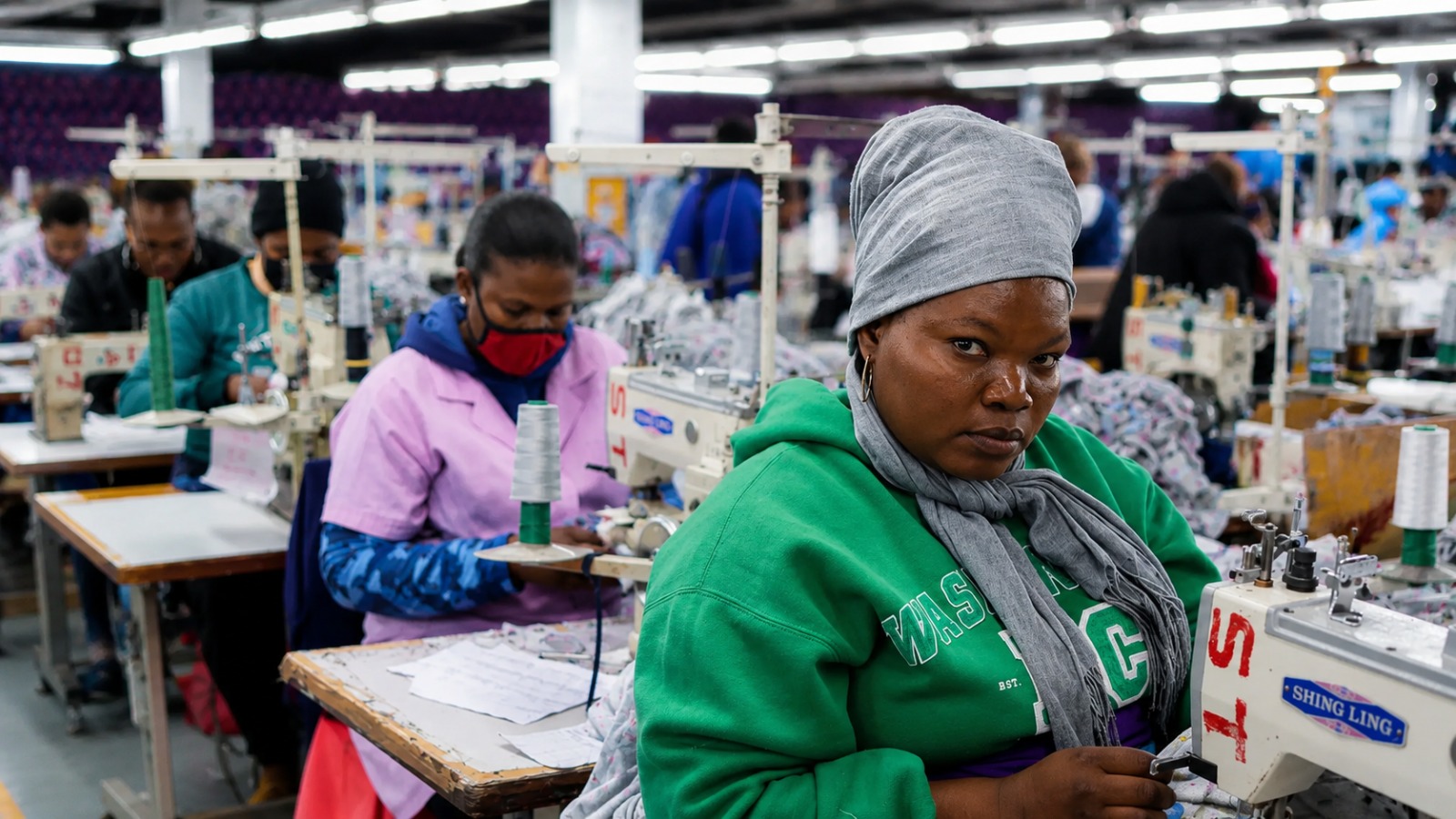
Labour advocates and industry observers say the findings have renewed scrutiny over working conditions, wage structures and supply-chain transparency within parts of the fashion sector.
The issue comes as global consumers and international retailers place increasing emphasis on environmental, social and governance (ESG) standards across apparel sourcing networks.
Analysts say African fashion manufacturing remains positioned between two competing pressures: the opportunity to expand industrial production capacity and the growing demand for globally compliant labour practices.
The controversy is also raising broader questions about how African economies can build competitive manufacturing sectors without undermining worker protections and institutional accountability.
Industry groups are calling for stronger oversight, transparent audits and greater collaboration between regulators, brands and factory operators.
South Africa’s fashion sector remains one of the continent’s most commercially developed apparel markets, with growing ambitions around exports and regional manufacturing integration.