Executives across the fashion and retail sectors have reported growing concern over logistics costs and inventory management as geopolitical developments continue to affect global shipping networks. The challenges come at a time when consumer demand remains uneven across major economies, forcing companies to balance pricing strategies with market competitiveness.
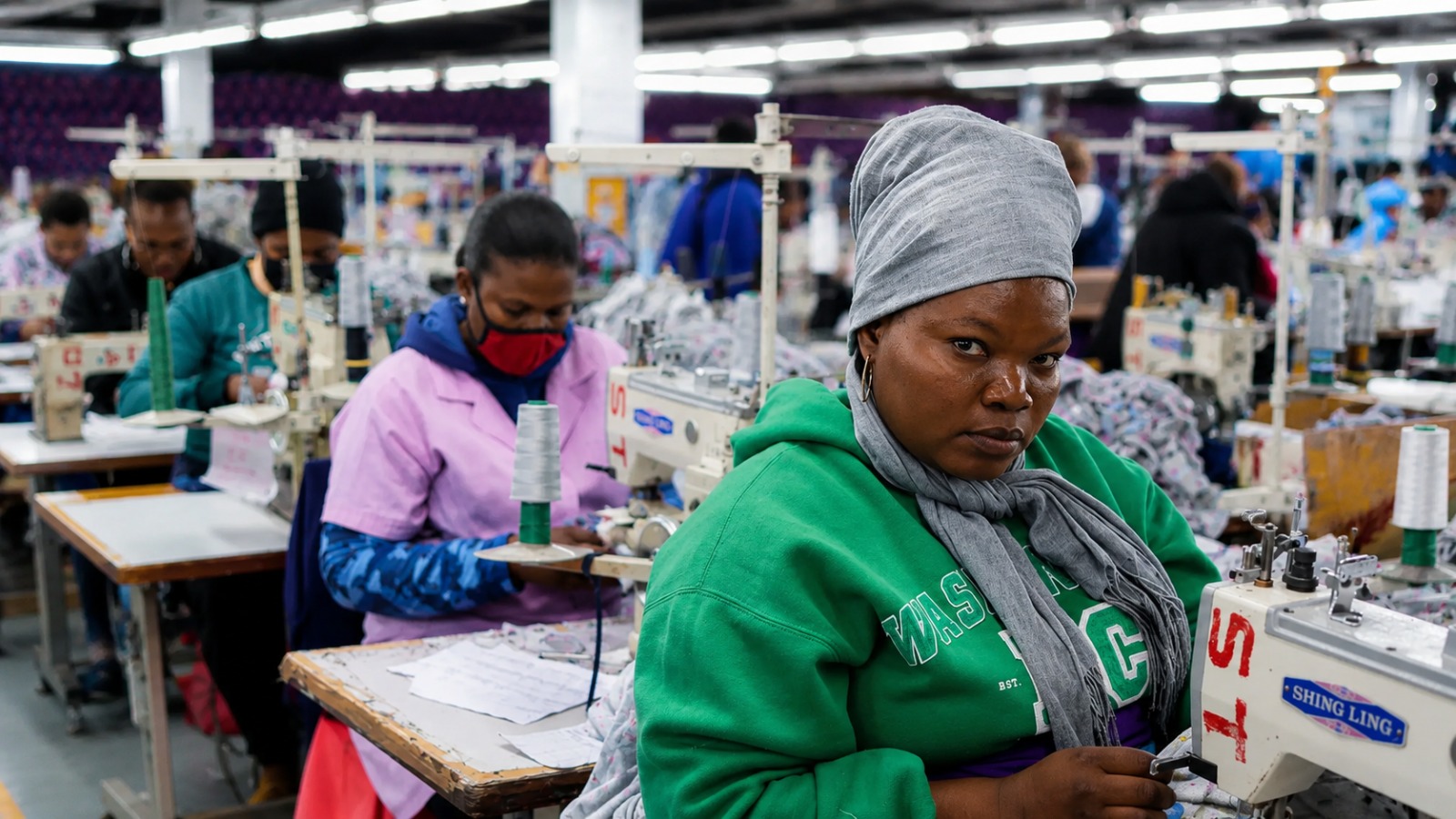
Manufacturers in Asia, which account for a significant share of global apparel production, continue to face fluctuations in freight costs and delivery schedules. Industry groups say businesses are increasingly diversifying sourcing locations to reduce dependence on individual production hubs and improve resilience against future disruptions.
The pressure extends beyond manufacturing. Retailers are also navigating changing consumer behaviour as households contend with higher living costs and economic uncertainty. While premium brands have generally maintained stronger pricing power, mass-market retailers remain more exposed to shifts in discretionary spending.
Labour dynamics are becoming another critical factor. Wage expectations continue to rise across several manufacturing centres as workers seek compensation that reflects inflationary pressures and changing economic conditions. Industry executives say labour availability, skills development and productivity are becoming increasingly important considerations for long-term competitiveness.
The sector's challenges illustrate the broader transformation underway across global supply chains. Companies are increasingly investing in digital inventory systems, automation technologies and nearshoring strategies aimed at reducing risk and improving operational flexibility.
Analysts note that supply-chain resilience has become a boardroom priority rather than a purely operational concern. Investors are paying closer attention to sourcing diversification, labour standards and logistics capabilities when assessing corporate performance.
For the global fashion industry, the current environment highlights the growing connection between trade flows, labour markets and consumer demand, reinforcing the importance of adaptability in a period of heightened economic uncertainty.