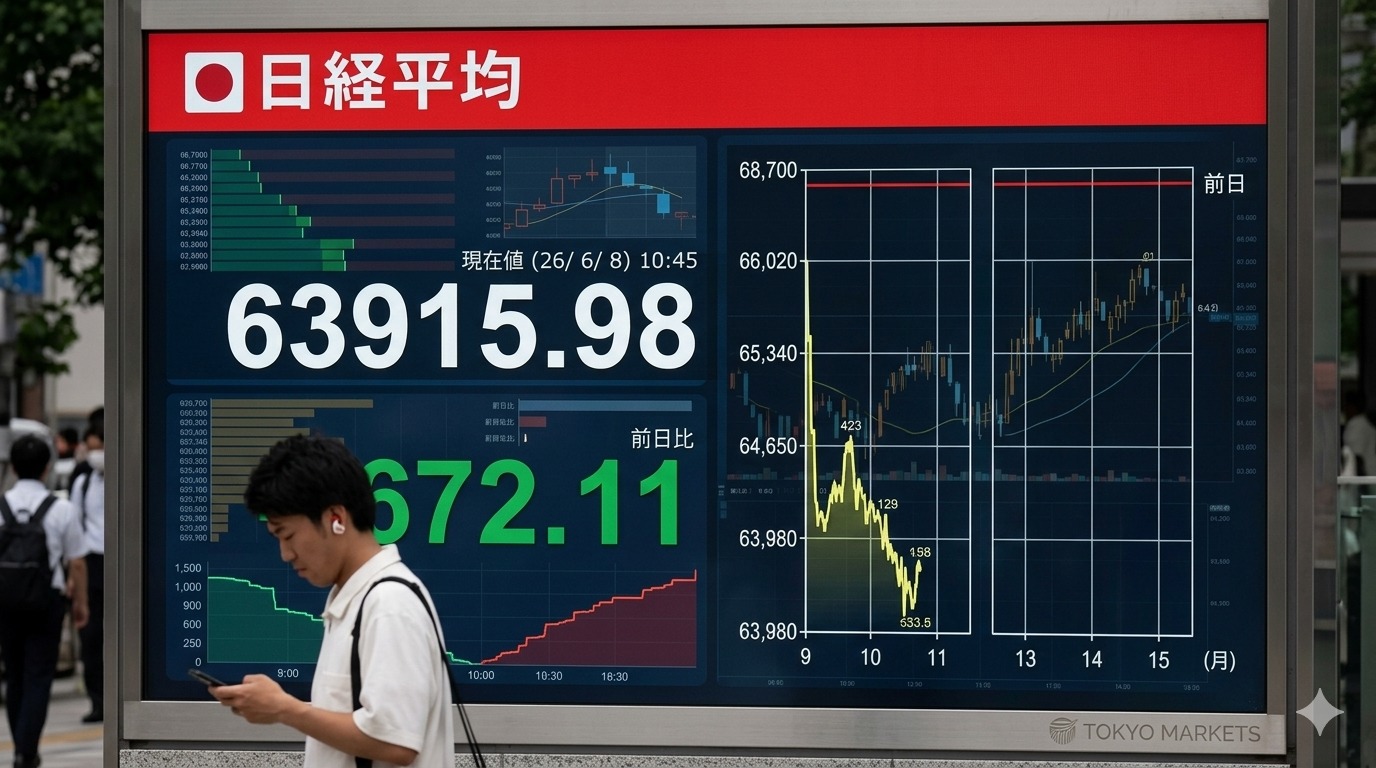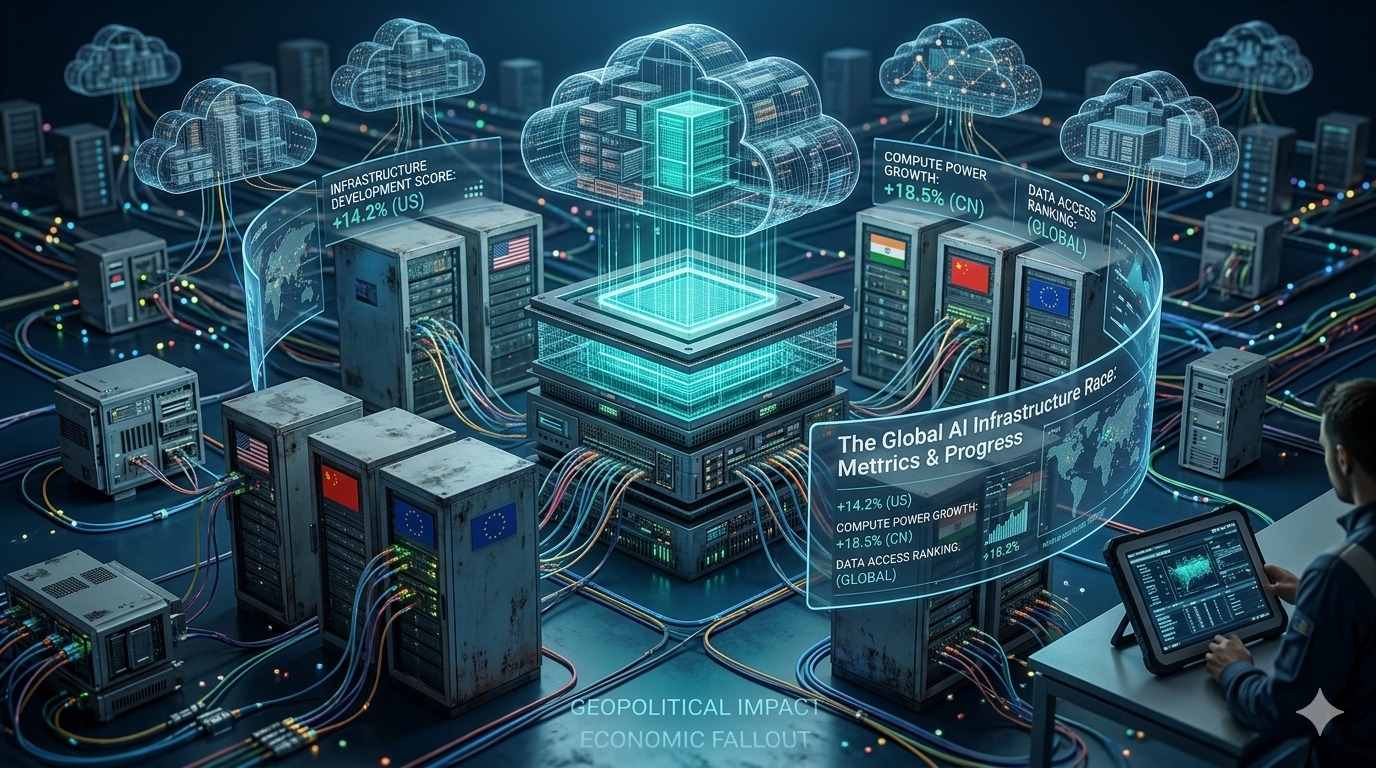
Over the past two years, AI has attracted hundreds of billions of dollars in investment across data centres, semiconductor manufacturing, cloud computing and enterprise software. However, analysts say financial markets are now placing greater emphasis on revenue generation, profitability and long-term returns from the infrastructure underpinning the sector.
The transition comes as technology companies accelerate spending on computing capacity required to train and deploy increasingly sophisticated AI systems. Demand for advanced chips, energy-intensive data centres and cloud services has surged, creating new opportunities for infrastructure providers while raising questions about sustainability and capital efficiency.
Investors are closely examining whether the scale of current investment can be justified by future commercial adoption. Corporate executives across finance, healthcare, manufacturing and logistics continue expanding AI deployment, but many remain focused on measurable productivity gains and operational outcomes rather than experimental applications.
Industry observers note that AI's economic impact is increasingly extending beyond the technology sector itself. Governments, utilities and infrastructure operators are assessing how rising demand for computing power could affect energy systems, workforce requirements and industrial competitiveness.
The growing focus on infrastructure reflects a broader maturation of the AI market. Rather than evaluating companies solely on innovation potential, investors are increasingly analysing supply chains, capital expenditure programmes and operational scalability.
At the same time, regulatory discussions around data governance, cybersecurity and market competition continue shaping the investment landscape.
Economists say the next stage of AI development will likely be defined by execution rather than experimentation. Companies capable of translating technological advances into sustainable business models may emerge as long-term beneficiaries of the industry's expansion.
For investors, the central question is no longer whether artificial intelligence will transform the economy, but which firms are best positioned to capture value from the infrastructure supporting that transformation.