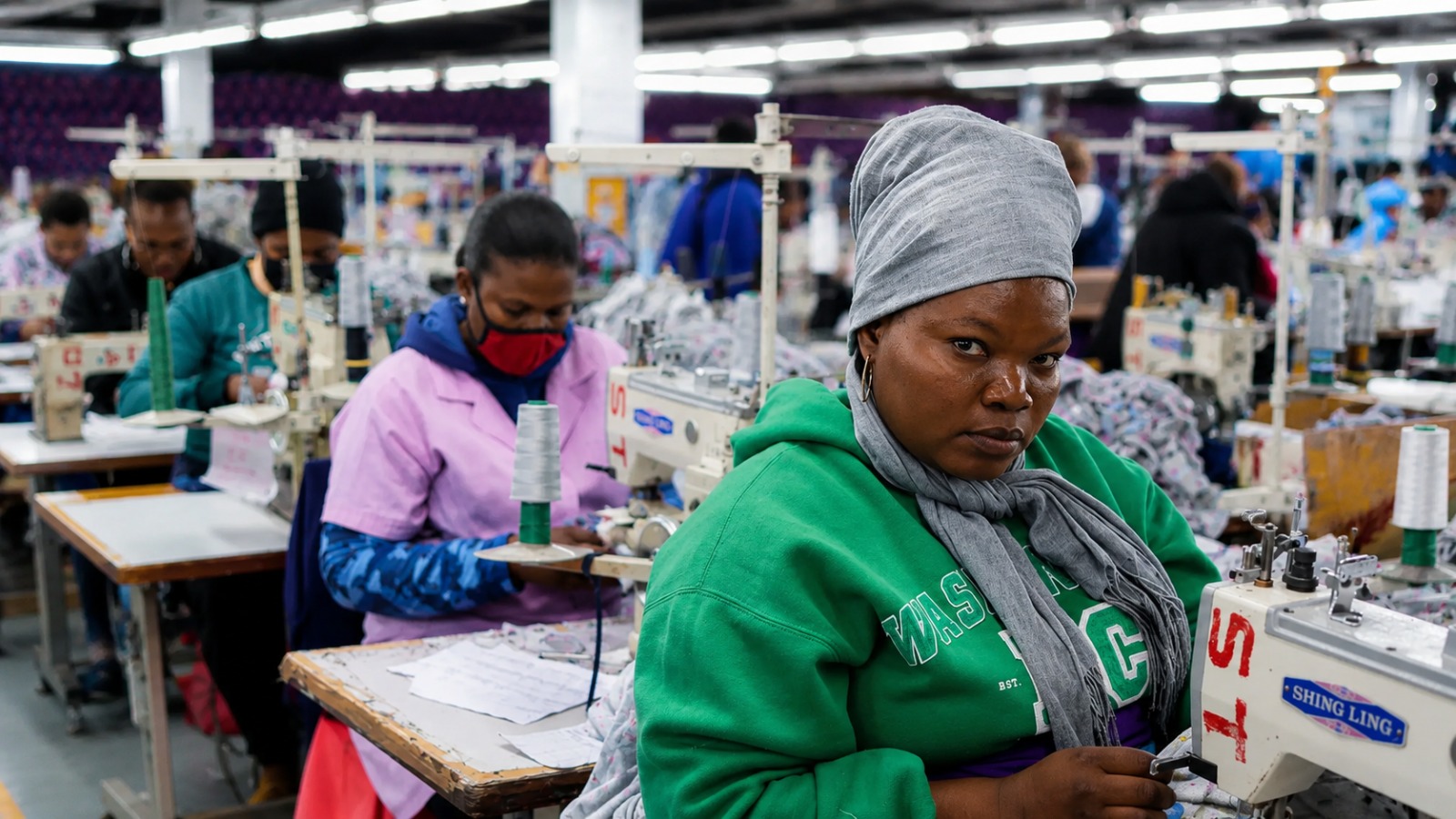
For decades, the industry's production model relied heavily on concentrated manufacturing hubs that provided scale, efficiency and cost advantages. Today, however, that model is facing increasing pressure from geopolitical tensions, rising compliance expectations and growing demands for supply-chain transparency.
Executives across the apparel sector are increasingly evaluating sourcing alternatives in Southeast Asia, South Asia, Latin America and selected African markets as they seek to reduce concentration risk and strengthen operational resilience.
The shift reflects a broader transformation in global trade. Governments are placing greater emphasis on labour standards, human-rights compliance and strategic supply-chain oversight. At the same time, investors are paying closer attention to environmental, social and governance performance when evaluating corporate risk.
For manufacturers, compliance has become both a reputational and operational issue. Large brands are being required to demonstrate greater visibility across complex supplier networks, often extending several layers beyond direct manufacturing partners.
Meeting those requirements carries significant costs. Auditing systems, traceability programmes, supplier verification and regulatory reporting are becoming permanent components of modern supply-chain management.
Yet diversification is not without challenges. Establishing new manufacturing ecosystems requires investment in workforce development, logistics infrastructure, quality-control systems and supplier relationships. In many cases, companies face multi-year transition periods before alternative sourcing locations can achieve the same efficiency levels as established production centres.
For emerging economies, the evolving landscape presents both opportunities and risks. Countries capable of meeting international labour, compliance and infrastructure standards may attract new manufacturing investment. Others could face declining competitiveness if regulatory concerns persist.
The broader trend highlights a fundamental change in how global companies approach production strategy. Cost efficiency remains important, but resilience, compliance and transparency are becoming equally critical considerations.
As trade policy and labour standards increasingly influence market access, supply-chain management is moving from an operational function to a boardroom-level strategic priority.