Brent crude futures rose 76 cents, or 0.7%, to $104.36 a barrel by 0730 GMT, while US West Texas Intermediate gained 63 cents, or 0.7%, to $96.72. The gains reversed earlier declines in a volatile session shaped by developments in the US midterm elections and uncertainty over the next phase of the conflict involving Iran.
Prices had fallen sharply in the previous session as investors weighed mediation efforts aimed at ending the wars in Ukraine and Iran. However, the prospect of a diplomatic breakthrough remained uncertain, with military operations continuing and US President Donald Trump maintaining that Iran must not be allowed to develop a nuclear weapon.
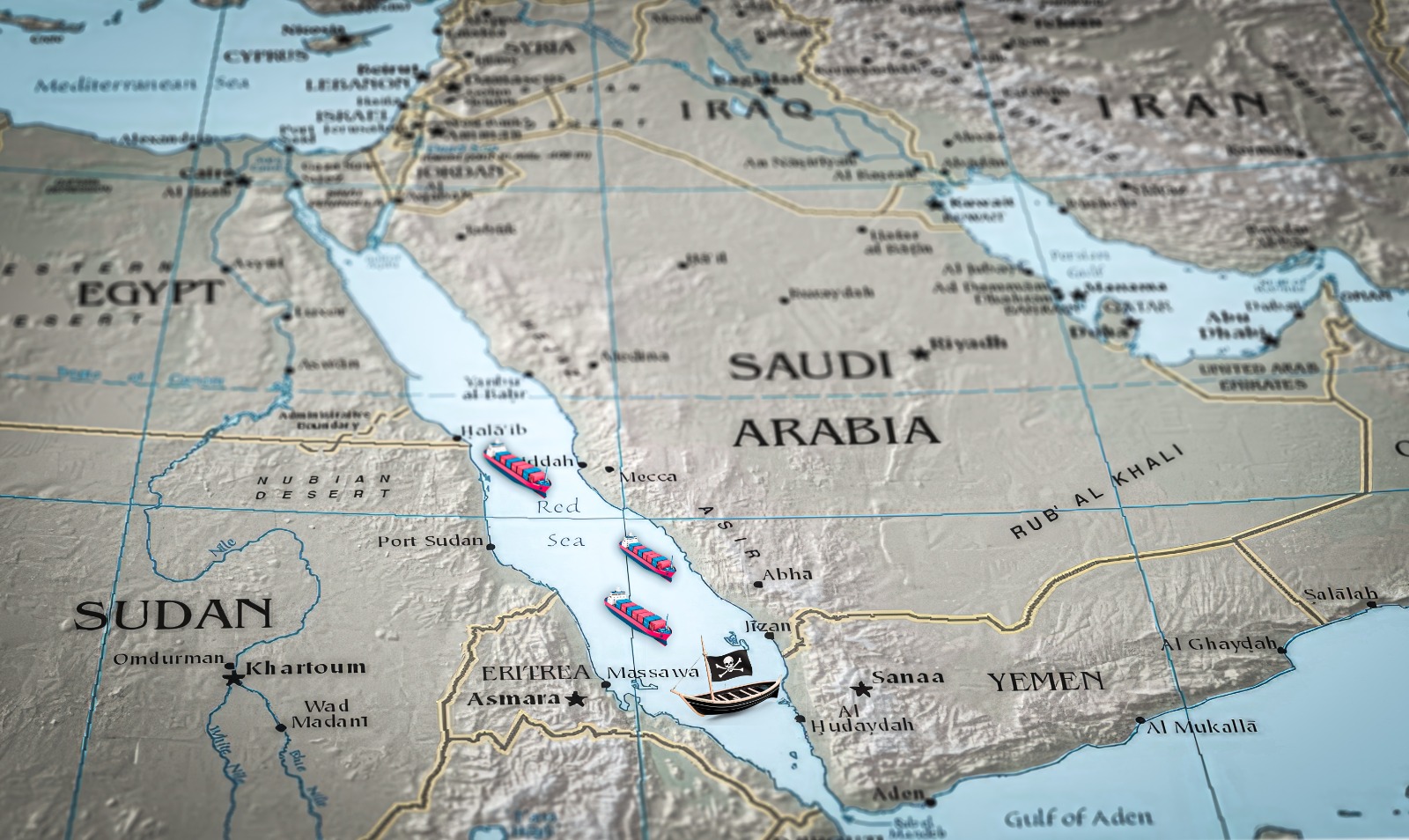
Traders have struggled to establish a clear direction because statements suggesting that further escalation could be avoided have coincided with continuing military activity. The US military carried out what it described as defensive strikes earlier in the week, adding to uncertainty over whether the conflict could widen or disrupt energy infrastructure and shipping routes.
The political outcome in Washington has introduced another variable. Democrats secured control of both chambers of Congress in the midterm elections, prompting investors to consider how the result could affect the administration's approach to foreign policy, defence spending and negotiations with Tehran. The immediate impact on oil prices, however, remained tied primarily to the risk of supply disruption.
Any sustained interruption to crude production, exports or tanker movements in the region could tighten global supply and raise costs for refiners and import-dependent economies. Higher energy prices would also feed into transport, manufacturing and electricity costs, potentially complicating efforts by central banks to contain inflation.
Conversely, credible progress in negotiations could reduce the geopolitical premium embedded in prices, particularly if it improved confidence in regional shipping and export flows. The market's response is therefore likely to remain sensitive to diplomatic signals and military developments.
For energy-importing countries, prices above $100 increase pressure on trade balances, public finances and household purchasing power. The balance between diplomacy and escalation will remain a central determinant of oil-market volatility in the days ahead.