risk that higher fuel and transport costs will feed into inflation across importing economies.
Brent crude futures rose by $3.51, or 3.2%, to $112.33 a barrel on 22 October, while US West Texas Intermediate gained $2.14, or 2.2%, to $99.29, according to Reuters reporting published by MarketScreener. The move followed attacks that intensified concerns about the security of Saudi energy infrastructure and shipping routes in a region central to global oil exports.
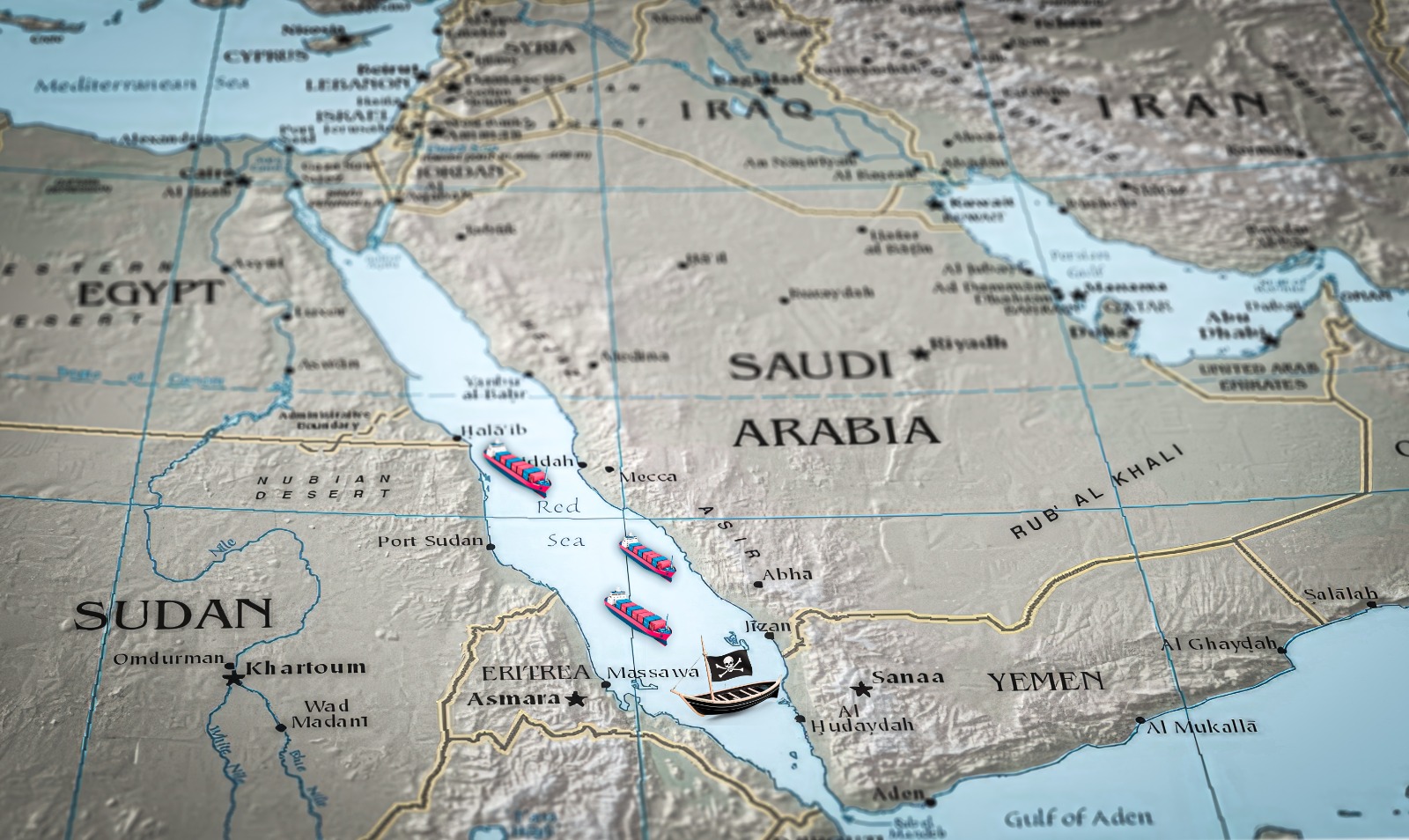
The attacks have increased attention on the vulnerability of energy logistics as well as production itself. Saudi Arabia is the world’s largest crude exporter, and any sustained threat to facilities, pipelines or shipping can affect expectations about the volume of oil reaching international markets. Reuters reported that Saudi Aramco had instructed staff to evacuate its headquarters in Dhahran as fighting between Saudi-led forces and Yemen’s Iran-aligned Houthis intensified.
Shipping risks are particularly important around Bab el-Mandeb, the chokepoint at the southern entrance to the Red Sea. Disruption in and around this corridor can complicate movements between the Indian Ocean, the Red Sea and the Suez Canal. If vessels are diverted or insurance premiums rise, freight costs and delivery times can increase even where oil production remains unchanged.
For businesses, the effect may extend well beyond the energy sector. Higher crude prices can raise costs for airlines, logistics operators, manufacturers and transport-dependent retailers. Fuel and shipping expenses can also feed into consumer prices, complicating efforts by central banks to bring inflation under control. The scale of the impact will depend on how long the security risks persist, whether physical supply is interrupted, and how producers and governments respond.
Oil markets are responding not only to confirmed losses of supply but also to the possibility of future disruption. That distinction matters: a geopolitical risk premium can lift prices before production or exports fall, but it can also recede if tensions ease and shipments continue.
Investors and policymakers will be watching for further attacks, changes to shipping movements, official responses from Saudi Arabia and its partners, and evidence of actual supply interruptions. A sustained escalation could keep energy prices elevated and complicate the inflation outlook; a stabilisation of routes and exports could ease pressure. For now, the balance between security risks and available supply remains central to the oil market’s direction.