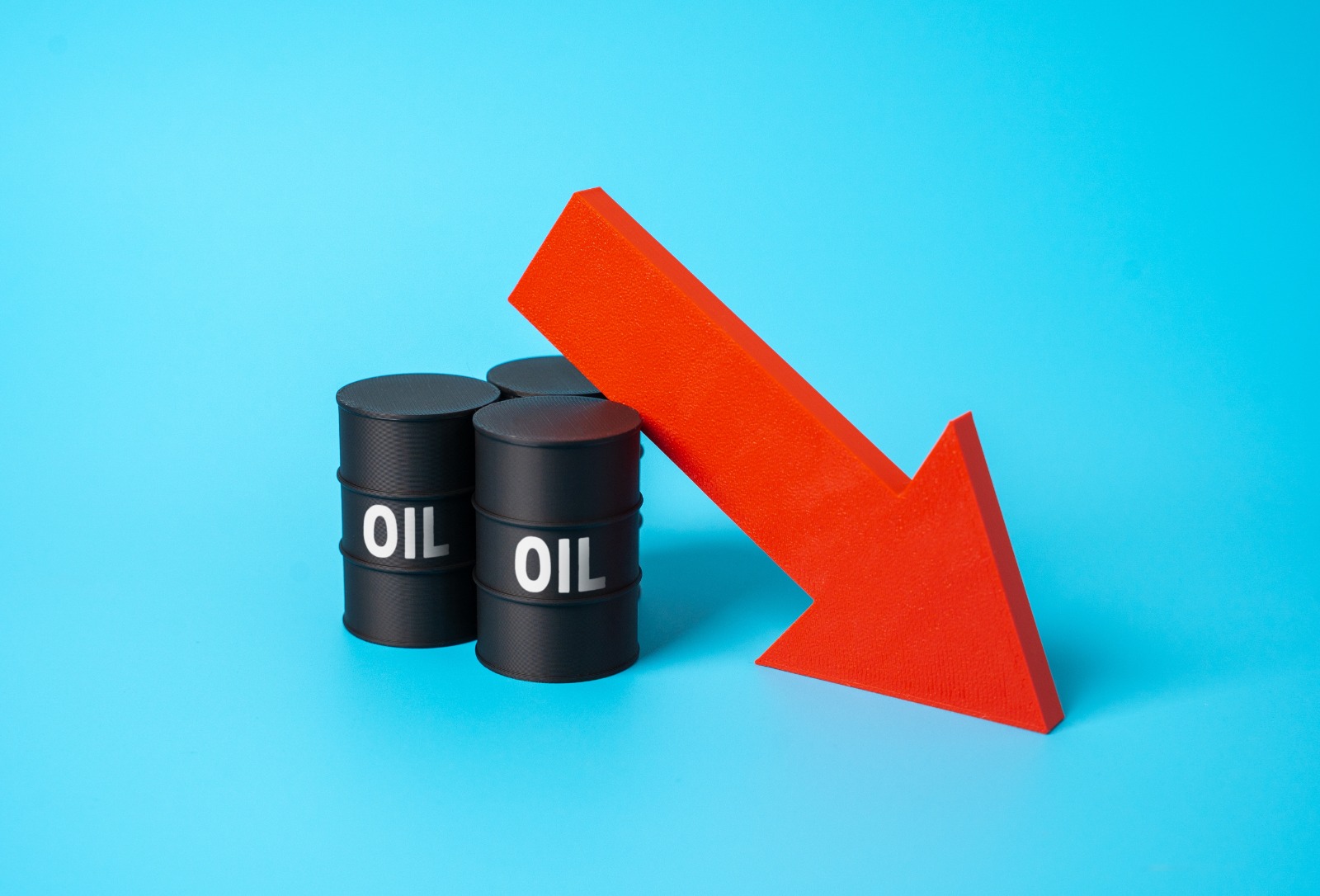
Brent crude futures were down around 1.9% at $114.51 a barrel in early trading, while US West Texas Intermediate fell approximately 2.2% to $101.04. The declines followed a strong previous week, when Brent gained about 6%, and WTI rose 2.3%, supported by concerns over possible disruption to Middle Eastern energy supplies.
The latest retreat followed reports that Qatari mediators travelled to Tehran on Sunday as part of an effort to de-escalate regional tensions in coordination with Washington. The diplomatic initiative helped ease immediate fears of further escalation, although market participants remained cautious about treating the move as evidence of a lasting improvement in supply conditions.
Security concerns persisted after the Iran-backed Houthi group said it had attacked an airport and oil facilities in Saudi Arabia over the weekend. Saudi authorities separately reported intercepting additional missiles and drones. The claims and continuing security risks have heightened attention on regional infrastructure and the routes used to transport crude oil.
The conflict has disrupted commercial shipping through strategically important waterways, including the Strait of Hormuz and the Bab el-Mandeb Strait. Any sustained interruption could affect the availability and cost of crude, with consequences extending beyond energy producers to transport operators, manufacturers and households.
Higher oil prices can feed into inflation by raising fuel, freight and production costs. Central banks may then face a more difficult policy environment if energy-driven price increases spread to other goods and services. For energy-importing economies, prolonged price pressure could also weaken household purchasing power and increase businesses’ operating expenses.
Saudi Aramco is due to begin storing crude oil in Singapore in the second half of 2027, according to Saudi and Singaporean energy ministers, in a move intended to strengthen supply-chain resilience. The announcement reflects the continuing focus on diversification and contingency planning amid geopolitical uncertainty.
The next direction for oil prices will depend on whether diplomatic efforts reduce the risk of further conflict and whether energy infrastructure and shipping routes remain secure. Until there is clearer evidence of sustained de-escalation, the market’s retreat may prove temporary rather than the start of a durable decline.