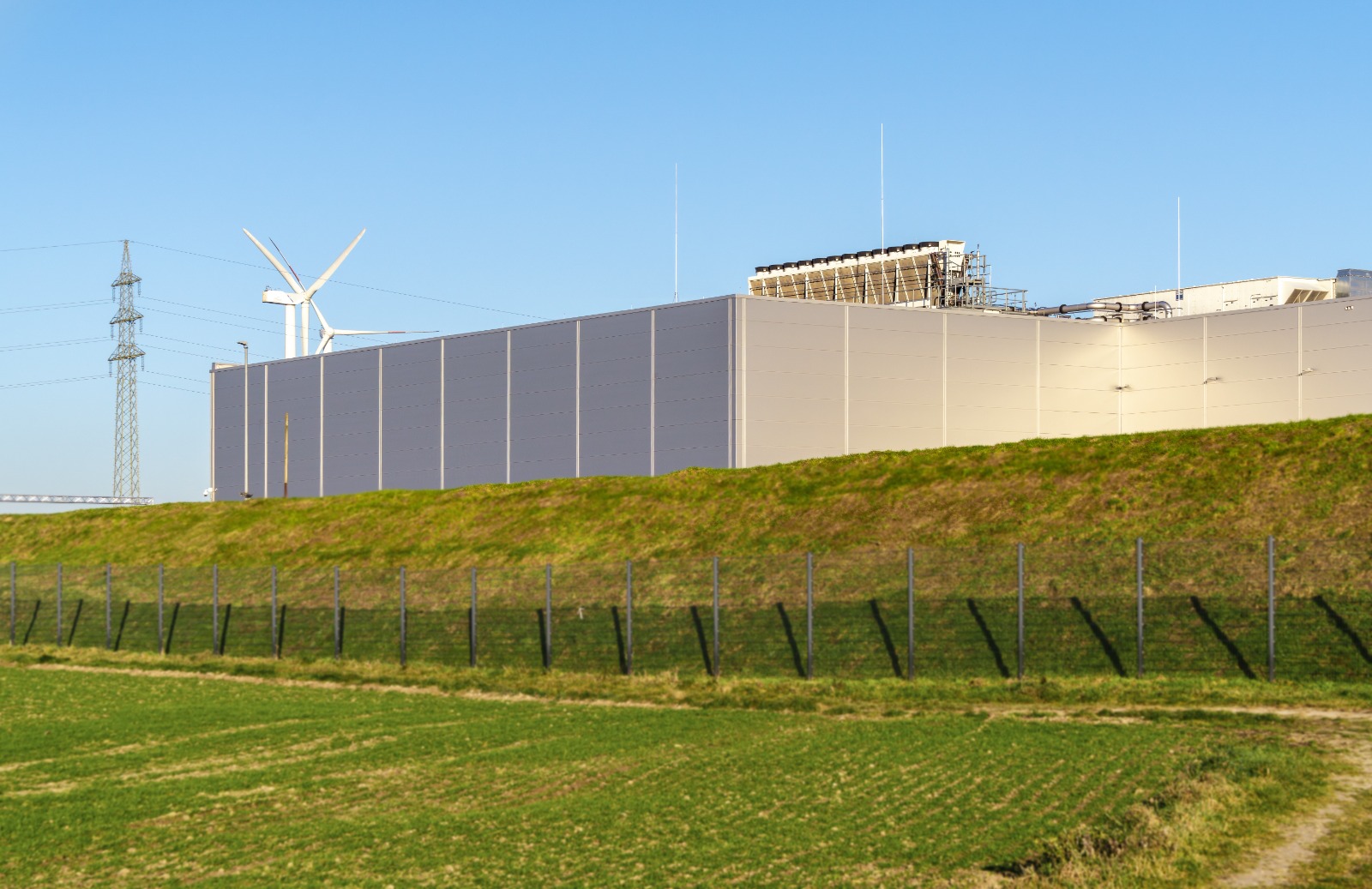
The project was being developed by Nscale, a data-centre and AI infrastructure company backed by Nvidia. The planned facility was expected to support Microsoft’s Azure services in the UK, with 23,040 Nvidia GB300 graphics processing units and 50 megawatts of computing capacity. The site had been expected to begin operating early in 2027.
Microsoft said the decision concerned a single location and that its wider relationship with Nscale remained strong. Nscale also said the delay would not affect its other contracts, adding that it was exploring alternative power sources for the Loughton project and considering additional UK expansion sites.
The setback illustrates the dependence of AI infrastructure on more than investment capital and access to advanced chips. Data centres require large and reliable electricity supplies, alongside land, cooling systems, network connections and planning approval. Where grid capacity cannot be delivered on schedule, companies may face delays to deployment, higher development costs or pressure to move projects to alternative locations.
Reuters has reported that grid connection bottlenecks have delayed some UK data-centre projects by as much as 13 years. Such constraints risk weakening the commercial case for projects designed to meet rapidly expanding demand for computing power.
The issue has implications for the wider economy. Data centres can support technology investment, digital services and demand for construction and engineering expertise. However, delays can postpone expected economic benefits and raise questions about whether electricity infrastructure is keeping pace with the country’s technology ambitions.
Nscale has expanded rapidly, reporting contracted value exceeding $103 billion in its prospectus, according to Reuters. That figure reflects the company’s reported contracted business rather than realised revenue, making the delivery of infrastructure and customer commitments important to its growth plans.
The next challenge is whether alternative power arrangements or new sites can keep projects on schedule. For Britain, the episode reinforces the need to align grid investment and connection planning with the growing electricity demands of AI and cloud computing.