A person familiar with the matter told Reuters that the proposed fundraising could be similar in size to Tencent's $4.66 billion bond sale in June. The final amount and structure remain subject to market conditions and investor demand, and the company has not entered into a binding agreement to complete the issue.
The proposed notes may include 10-year and 20-year US dollar tranches, alongside 10-year and 30-year offshore yuan bonds. Tencent has proposed issuing the securities under its global medium-term note programme, with banks expected to arrange investor calls ahead of a potential offering.
The fundraising comes as the company commits greater resources to AI development. Tencent's capital expenditure more than doubled to 96.3 billion yuan, equivalent to approximately $14.4 billion, in the first half of 2026, compared with 45.9 billion yuan in the corresponding period a year earlier.
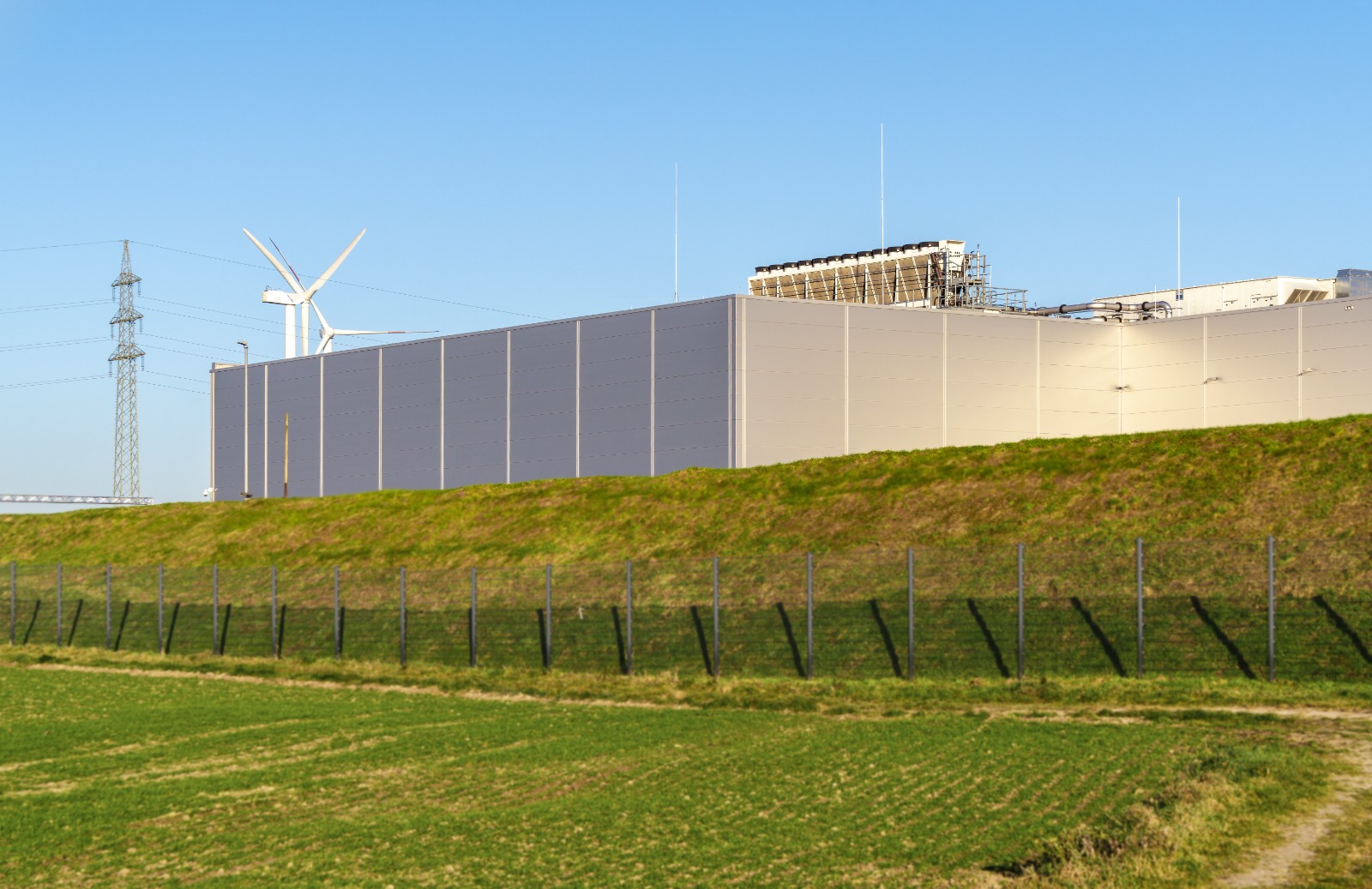
The expenditure covered information technology infrastructure, including computing equipment, software and data centres. These investments reflect the growing cost of developing and deploying AI services, which require substantial computing power and supporting infrastructure.
Tencent is not alone in turning to capital markets to finance technology investment. Japanese conglomerate SoftBank raised $11.1 billion through bonds in September to support its investment strategy, while Chinese AI developer Z.ai raised $5 billion through new shares and convertible bonds.
However, debt markets are becoming more selective towards companies seeking to finance AI expansion. Higher interest rates and rising bond yields have increased borrowing costs, while investors are examining whether anticipated returns from AI investment will justify the scale of expenditure.
The cancellation of a planned $5 billion initial public offering by Australian AI data-centre operator Firmus, after weak investor demand, illustrates the funding challenges facing some businesses in the sector.
Tencent's proposed offering therefore highlights a broader shift in technology finance: companies are seeking substantial amounts of external capital while investors demand greater clarity about the commercial returns from AI infrastructure.
The success of the fundraising will depend on market conditions, investor appetite and Tencent's ability to demonstrate that rising investment can support sustainable business growth.