Brent crude futures traded close to $110 a barrel in early trading, after reaching $110.70 in the previous session, their highest level since 20 May, according to Reuters reporting carried by Investing.com. Prices have risen sharply this year as conflict involving Iran and ongoing disruptions linked to the Russia-Ukraine war have affected expectations for energy supply.
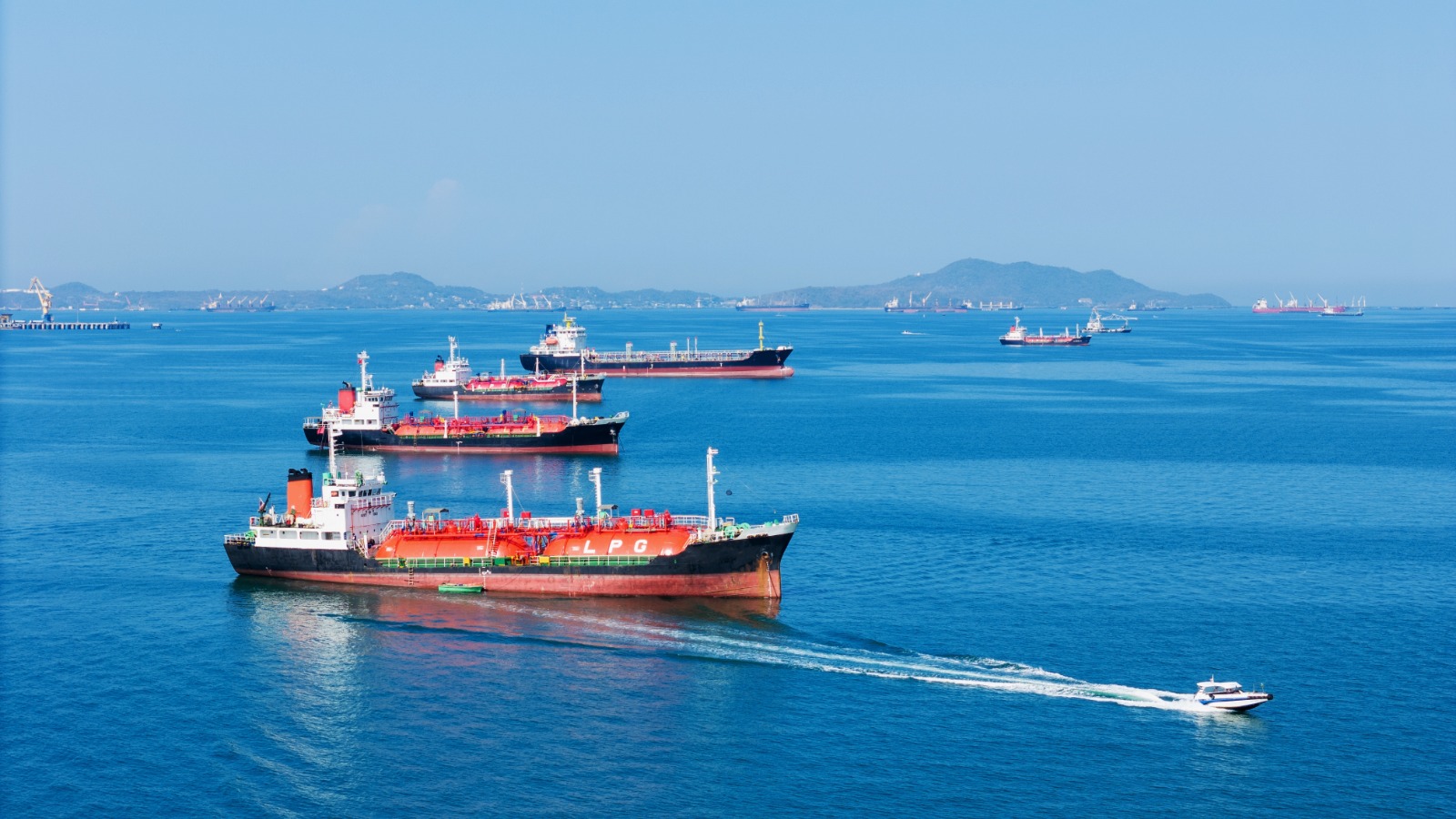
The Strait of Hormuz remains central to the market outlook. The waterway is a major route for international oil and gas shipments, connecting Gulf producers with customers across Asia and other regions. Any sustained disruption can restrict available supplies, increase freight and insurance costs, and force buyers to seek alternative cargoes.
Iranian First Vice-President Mohammad Reza Aref said Tehran had no alternative but to assert control over the strait in the interests of national security. Meanwhile, Yemen’s Iran-aligned Houthi movement said it had attacked Saudi energy, airport and military targets, adding to concerns about the security of regional infrastructure.
The price increase comes as markets assess the possibility of recovering crude flows from the Persian Gulf and a potential easing of restrictions on Russian energy exports. These competing developments have left traders weighing the risk of further disruption against the prospect of additional supply returning to the market.
Higher oil prices can feed through to transport, manufacturing and household energy costs. For central banks, the concern is whether an extended energy shock begins to influence wider prices and wage-setting, making inflation harder to contain. Energy-importing countries could also face higher import bills and pressure on their external balances.
The immediate outlook will depend on developments around Hormuz, the security of Gulf infrastructure and the direction of diplomatic efforts. Until shipping risks ease and supply flows become more predictable, crude prices are likely to remain sensitive to geopolitical developments.