prolonged negotiations or another vote amid continuing security and political uncertainty.
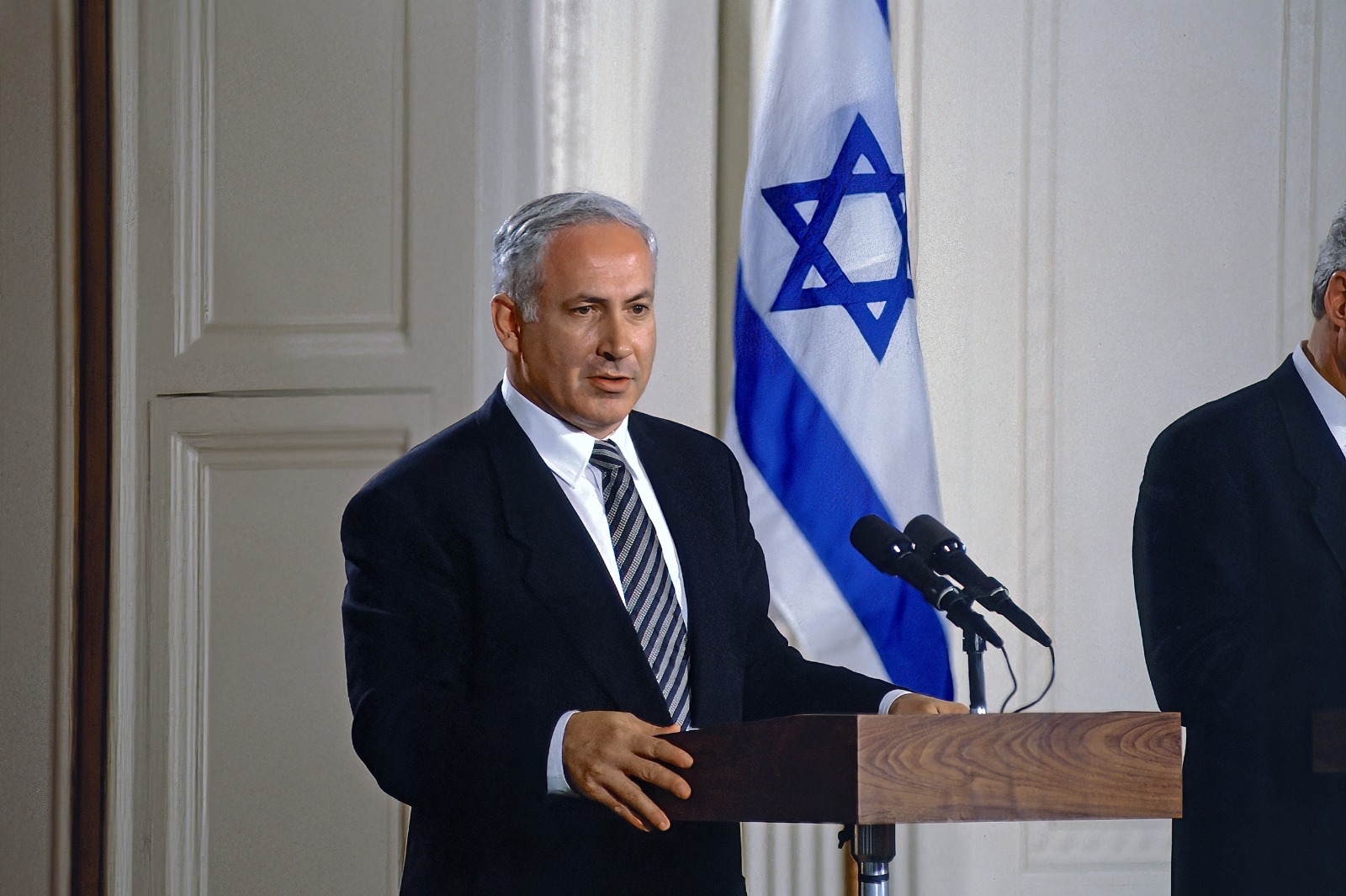
With 48.4% of votes counted, Netanyahu’s bloc was projected to win 55 seats in the 120-seat Knesset, while the bloc led by Eisenkot was projected to secure 50. Arab parties were projected to take 15 seats, according to Israeli media cited by Reuters on 28 October. A majority requires 61 seats, leaving both principal camps short and the final distribution subject to change as counting continues.
The results represented a potential setback for Netanyahu’s nationalist-religious coalition, but the deadlock could also allow him to remain caretaker prime minister while negotiations continue. Netanyahu called for a strong right-wing government and highlighted Israel’s military actions, including the prospect of further joint action with US President Donald Trump against Iran. Eisenkot, a former military chief and leader of the Yashar party, argued that voters had rejected Netanyahu’s continued leadership.
Coalition arithmetic is complicated by the positions of the main blocs. Netanyahu’s allies have ruled out forming a government with Arab parties, while Eisenkot has also largely ruled out relying on them. Smaller parties could therefore become pivotal, but ideological differences and disagreements over security policy may make a stable majority difficult to assemble. If neither side can form a government, another election may eventually be required.
Turnout reached 77.7%, the highest in more than two decades, according to Israel’s Central Elections Committee. The vote was the first national election since the Hamas-led attack of 7 October 2023 and the wars that followed. Voters faced questions about the security failure preceding the attack, the conduct of subsequent conflicts, Netanyahu’s leadership and his ongoing corruption cases, which he denies.
The political consequences extend beyond domestic governance. The composition of the next government could influence Israel’s security policy, relations with Washington, the handling of the conflict with Iran and the future direction of regional diplomacy. The immediate focus is the completion of the count and the start of coalition negotiations. Until a viable majority emerges, policy continuity and the timing of key decisions will remain uncertain.