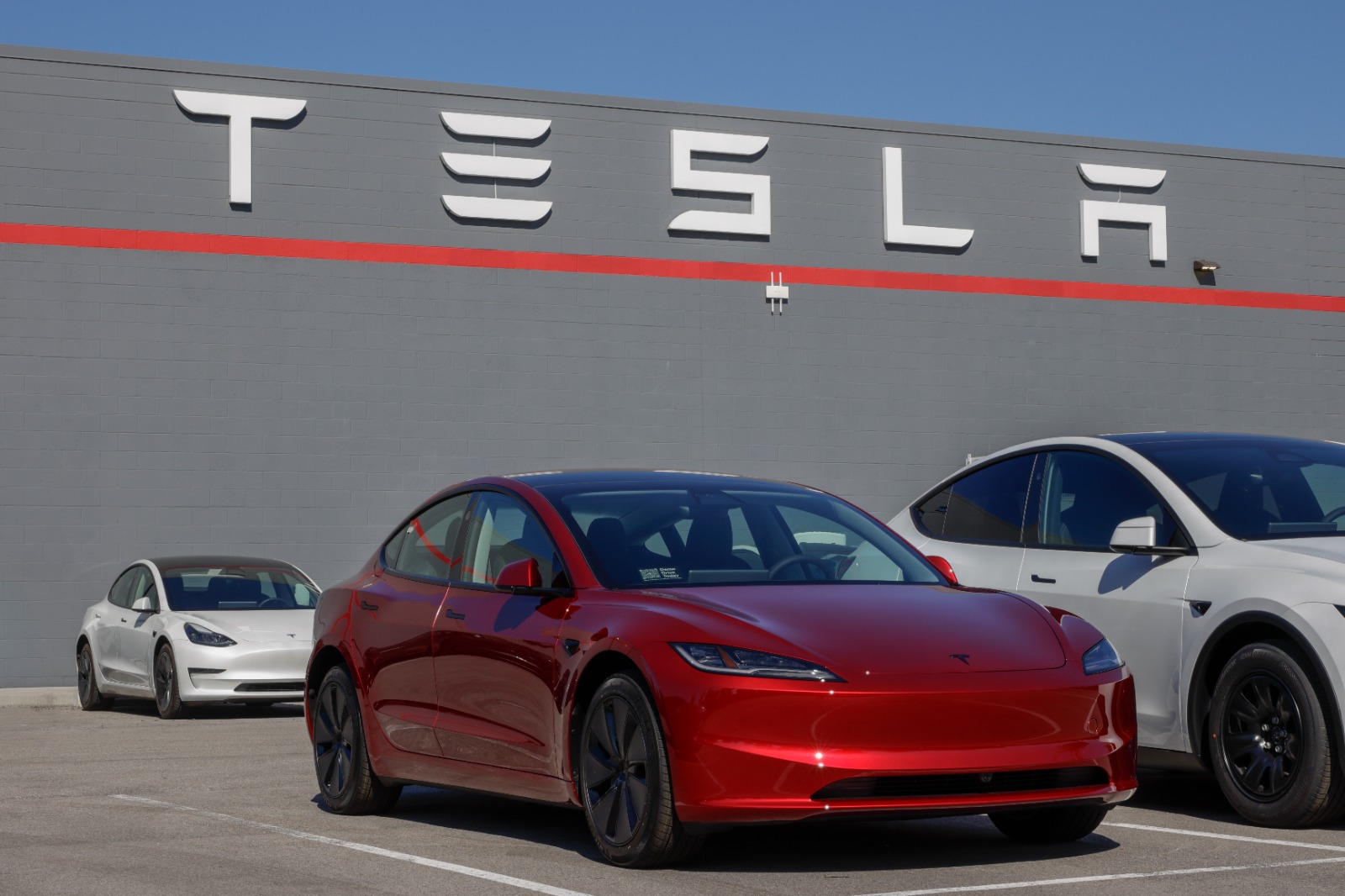
The electric-vehicle maker lowered its capital spending forecast from more than $25 billion to approximately $20 billion. Its shares fell about 5% in pre-market trading following the update, reflecting investor concerns over what the reduced budget could mean for the company’s longer-term investment plans.
Lower expenditure can improve near-term cash generation, particularly for a company committing significant resources to new technologies. Tesla recorded unexpectedly positive free cash flow during the third quarter as spending, including investment in AI and robotics, came in below expectations. However, the financial benefit may be accompanied by delays if the company cannot maintain the planned pace of development.
Tesla’s strategic ambitions extend beyond vehicle manufacturing. Its programmes include robotaxi services, the Optimus humanoid robot, AI computing and the proposed Terafab semiconductor initiative. These projects require sustained investment in software, hardware, infrastructure and engineering. Tesla has indicated that spending is expected to rise in 2027 and 2028 as it advances these priorities.
The spending revision comes at a time when automotive manufacturers face pressure to manage costs while competing in electric vehicles, software-enabled transport and emerging automation markets. Investors are increasingly assessing whether ambitious technology programmes can generate revenue at a scale that justifies their development costs.
Tesla also faces a valuation challenge. Reuters reported that its shares had fallen by around 14% in 2026, while the Nasdaq had gained approximately 15%, highlighting a divergence between the company’s market performance and the broader technology-heavy index.
For the business, the key issue is whether lower expenditure represents improved capital discipline or a change in the timing of strategic investment. Reducing near-term spending may support liquidity, but prolonged delays could weaken Tesla’s position in markets where rivals are also developing autonomous-driving systems and robotics.
Investors will therefore be watching the company’s future spending plans, delivery milestones and evidence of commercial adoption. Tesla’s ability to turn its AI and robotics investments into scalable businesses will be central to determining whether its reduced 2026 forecast strengthens financial resilience or postpones the returns expected from its wider expansion strategy.