Yet despite these converging trends, Africa continues to receive only a small share of global climate and infrastructure investment.
This is not because capital is unavailable.
Rather, it reflects a shortage of investment-ready projects, inconsistent regulatory environments, currency risks, limited project preparation capacity and financing structures that often fail to align the risk-return expectations of long-term institutional investors.
This financing gap represents one of Africa's defining economic challenges—but also one of its greatest opportunities.
Green infrastructure is no longer solely an environmental priority. It has become a strategic economic asset capable of improving energy security, strengthening industrial competitiveness, expanding digital connectivity, enhancing urban resilience and creating new investment markets across the continent.
The transition towards cleaner energy systems, sustainable cities, resilient transport networks and climate-smart agriculture is also reshaping how global capital is allocated. Pension funds, sovereign wealth funds, insurance companies, infrastructure investors and private equity firms are increasingly seeking long-duration assets capable of generating stable returns while supporting environmental and social objectives.
Africa is well positioned to benefit from this shift.
The continent possesses abundant renewable energy resources, one of the world's fastest-growing urban populations, significant infrastructure deficits and increasing policy momentum towards regional integration through the African Continental Free Trade Area (AfCFTA).
These structural characteristics create opportunities across renewable energy, electricity transmission, water infrastructure, sustainable transport, affordable housing, industrial parks and digital infrastructure.
However, attracting institutional capital requires more than identifying investment opportunities.
It requires building bankable projects, strengthening governance, improving policy predictability, developing domestic capital markets and creating financing structures that reduce investment risk while preserving commercial returns.
The next decade will determine whether Africa succeeds in positioning itself as one of the world's leading destinations for sustainable infrastructure investment or continues to face widening infrastructure deficits that constrain economic growth.
Why It Matters
Green infrastructure finance should no longer be viewed as a niche component of climate policy.
It is becoming one of the principal mechanisms through which countries compete for investment, improve productivity and strengthen long-term economic resilience.
For Africa, the implications extend far beyond environmental sustainability.
Infrastructure investment underpins industrialisation, regional integration, private sector expansion and national competitiveness. Every reliable power plant, efficient transport corridor, resilient water system or digital network strengthens the foundations upon which businesses invest, manufacturers expand and economies diversify.
The challenge is therefore not simply financing infrastructure.
It is financing the economic systems that support long-term development.
Infrastructure Is Africa's Growth Multiplier
Economic transformation depends on infrastructure that enables businesses to operate efficiently.
Manufacturers require reliable electricity.
Farmers depend on transport networks that connect production to markets.
Digital businesses rely on broadband infrastructure.
Cities require resilient water systems, sanitation, public transport and housing capable of supporting expanding populations.
Without these foundations, productivity remains constrained regardless of improvements in education, entrepreneurship or investment promotion.
Infrastructure should therefore be understood as productive capital rather than public expenditure.
Well-designed infrastructure generates returns by reducing business costs, improving market access, increasing labour productivity and attracting additional private investment.
This multiplier effect explains why infrastructure investment has consistently been associated with sustained economic development across advanced and emerging economies.
Climate Finance Is Becoming Mainstream Capital
Global investment priorities are changing rapidly.
Institutional investors increasingly integrate environmental, social and governance (ESG) considerations into capital allocation, while governments and multilateral institutions continue expanding commitments to climate adaptation, renewable energy and sustainable development.
This shift has broadened the definition of infrastructure investment.
Renewable energy projects, climate-resilient transport systems, green buildings, water infrastructure, sustainable agriculture and digital networks are increasingly viewed as long-term investment assets capable of delivering both financial and developmental returns.
For Africa, this creates access to capital pools that were significantly smaller only a decade ago.
Climate finance is no longer confined to grants and concessional lending.
It increasingly includes commercial debt, blended finance, infrastructure funds, green bonds, sustainability-linked loans and institutional investment seeking predictable long-term cash flows.
Africa's Infrastructure Gap Represents an Investment Opportunity
Africa's infrastructure deficit is often described as a development challenge.
It should also be recognised as one of the world's largest investment opportunities.
Rapid urbanisation, population growth and industrial expansion continue to increase demand for electricity, roads, railways, ports, housing, telecommunications and climate-resilient infrastructure.
Meeting this demand will require investment measured not in millions but in hundreds of billions of dollars over the coming decades.
For investors with long-term investment horizons, these financing requirements represent a pipeline of potential infrastructure assets capable of generating stable revenues while supporting economic growth.
The challenge lies in converting infrastructure needs into commercially viable investment opportunities.
Energy Transition Is Reshaping Competitive Advantage
The global energy transition is fundamentally altering how countries compete for investment.
Businesses increasingly evaluate electricity reliability, renewable energy availability and carbon intensity when selecting locations for manufacturing, industrial production and technology investment.
Countries capable of providing affordable, reliable and sustainable energy are likely to attract greater industrial investment than those constrained by unreliable power systems.
Africa possesses some of the world's strongest renewable energy potential across solar, wind, hydroelectric and geothermal resources.
Capturing this advantage requires moving beyond resource potential towards investable infrastructure capable of supplying households, businesses and industrial consumers.
The countries that successfully finance renewable infrastructure today may become tomorrow's industrial leaders.
Private Capital Will Determine the Scale of Transformation
Public finance alone cannot close Africa's infrastructure gap.
Government budgets remain constrained by competing priorities including healthcare, education, debt servicing and social protection.
Development finance institutions will continue playing an essential catalytic role, but concessional finance alone cannot deliver the scale of investment required.
Private institutional capital must therefore become a significantly larger component of Africa's infrastructure financing ecosystem.
Achieving this transition requires stronger project preparation, improved risk allocation, deeper domestic capital markets and greater collaboration between governments, multilateral institutions and private investors.
The objective is not replacing public finance.
It is using public capital strategically to mobilise substantially larger pools of commercial investment.
A Narrow Window of Opportunity
Global capital markets are entering a period of structural transformation.
Governments are increasing climate commitments.
Institutional investors continue expanding sustainable investment portfolios.
Infrastructure funds are seeking new long-duration assets.
Development institutions are prioritising climate resilience and energy transition.
Africa possesses many of the underlying characteristics these investors seek: growing markets, infrastructure demand, abundant renewable resources and significant long-term growth potential.
Whether the continent captures this opportunity will depend less on the availability of capital than on its ability to develop credible projects, stable institutions and investment environments capable of attracting global confidence.
Green infrastructure finance is therefore not simply about funding projects.
It is about positioning Africa as a competitive destination for the next generation of global investment.
Who It Affects
Green infrastructure finance is not solely a concern for governments or climate specialists. It is becoming a strategic priority across Africa's investment ecosystem, influencing how businesses expand, how cities develop, how capital is allocated and how economies compete.
The transition towards sustainable infrastructure will create opportunities, and responsibilities, for a wide range of stakeholders.
Governments and Policymakers
Governments remain the principal architects of Africa's green infrastructure future.
Their role extends beyond securing finance.
National authorities establish the policy frameworks, regulatory certainty and institutional governance that determine whether infrastructure projects become attractive investment opportunities.
Countries with transparent procurement systems, predictable regulation, effective public institutions and long-term infrastructure strategies consistently attract more private capital than those characterised by policy uncertainty.
For policymakers, climate finance should therefore be viewed as a competitiveness agenda rather than simply an environmental programme.
The countries that develop credible pipelines of bankable projects are likely to attract significantly greater institutional investment over the coming decade.
Institutional Investors
Institutional investors; including pension funds, sovereign wealth funds, insurance companies and infrastructure funds, are becoming increasingly important participants in sustainable infrastructure finance.
These investors typically seek long-term, stable assets capable of generating predictable returns over decades.
Infrastructure naturally aligns with these investment objectives.
Renewable energy projects, transmission networks, toll roads, ports, water utilities and digital infrastructure often generate relatively stable cash flows once operational.
Africa therefore presents an opportunity to diversify global infrastructure portfolios while supporting long-term economic development.
However, institutional investors require investment environments characterised by regulatory stability, transparent governance and effective risk management.
Meeting these expectations remains one of Africa's most important investment priorities.
Development Finance Institutions
Development finance institutions (DFIs) continue to play a catalytic role across Africa's infrastructure landscape.
Rather than replacing private investment, DFIs increasingly focus on reducing investment risk through blended finance, guarantees, concessional lending, technical assistance and project preparation support.
Their involvement frequently provides additional confidence for commercial investors by improving project bankability and strengthening governance standards.
As infrastructure financing becomes more sophisticated, DFIs will increasingly function as market enablers rather than simply providers of capital.
Private Infrastructure Developers
Engineering firms, renewable energy companies, construction businesses, logistics operators and infrastructure developers stand at the centre of Africa's infrastructure expansion.
The next generation of projects will increasingly require integrated expertise spanning engineering, finance, digital technology, environmental management and long-term asset operations.
Developers capable of delivering technically robust, financially viable and environmentally sustainable projects will gain competitive advantages as investor expectations continue to evolve.
Project quality will become as important as project quantity.
Financial Institutions
Commercial banks, investment banks and capital market participants will play a larger role in structuring infrastructure finance.
Traditional project finance is increasingly complemented by green bonds, sustainability-linked loans, infrastructure funds, blended finance structures and innovative risk-sharing mechanisms.
Financial institutions capable of structuring sophisticated financing solutions will become important intermediaries between global capital and African infrastructure opportunities.
Businesses and Industrial Users
Reliable infrastructure ultimately determines private sector competitiveness.
Manufacturers require dependable electricity.
Technology companies depend on digital connectivity.
Agribusinesses need transport corridors and cold-chain logistics.
Mining companies require ports, railways and renewable energy.
Financial services increasingly rely on resilient digital infrastructure.
Every improvement in infrastructure productivity reduces operating costs across multiple industries while improving investment attractiveness.
Infrastructure finance is therefore not only an investment issue.
It is a business competitiveness issue.
Where the Opportunity Is
Africa's infrastructure financing requirements span virtually every productive sector of the economy.
However, several areas stand out because of their scale, commercial potential and alignment with global investment priorities.
These sectors are likely to attract increasing interest from institutional investors over the coming decade.
Renewable Energy
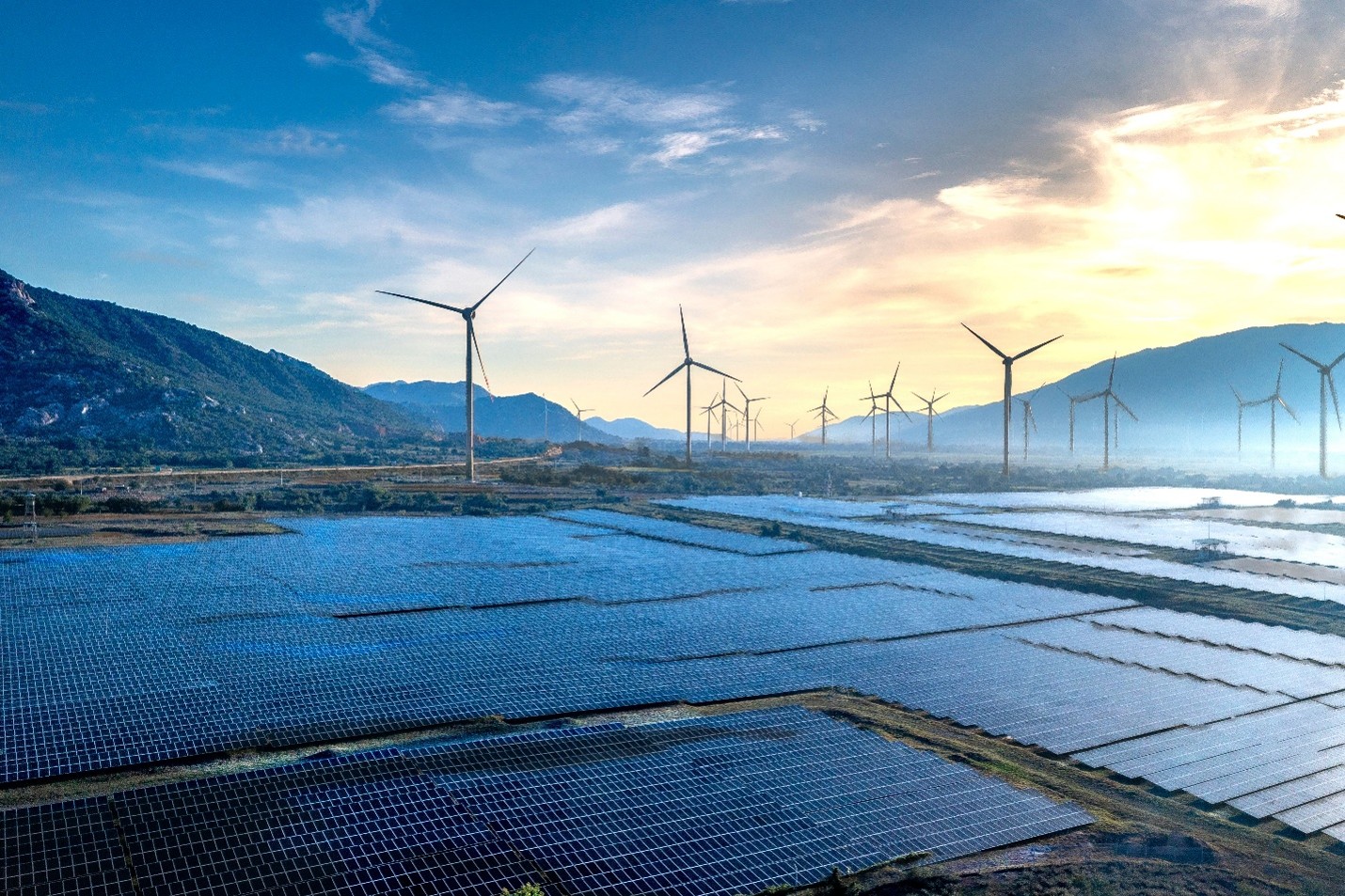
Renewable energy represents Africa's largest green infrastructure opportunity.
The continent possesses some of the world's highest solar irradiation levels, substantial wind resources, significant hydroelectric capacity and world-class geothermal potential.
These natural advantages coincide with rapidly growing electricity demand driven by industrialisation, urbanisation and digitalisation.
Large-scale solar parks, wind farms, hydroelectric projects, battery storage systems and distributed renewable energy solutions are becoming increasingly attractive investment assets.
Beyond electricity generation, investment opportunities also extend to transmission infrastructure, regional power interconnections, smart grids and energy storage technologies.
As electricity markets become more integrated, renewable infrastructure is likely to become one of Africa's most significant long-term asset classes.
Sustainable Transport
Transport infrastructure remains fundamental to regional economic integration.
Roads, railways, ports, airports and urban mobility systems influence trade competitiveness, logistics efficiency and industrial productivity.
The next generation of transport investment is increasingly focused on sustainability.
Electric public transport, low-carbon logistics corridors, modern freight rail, port electrification and integrated urban transport systems are attracting growing attention from investors seeking climate-aligned infrastructure opportunities.
Improved transport networks also strengthen implementation of the African Continental Free Trade Area by reducing trade costs and expanding regional value chains.
Water and Climate Resilience
Climate resilience is becoming an increasingly valuable investment theme.
Population growth, urban expansion and changing weather patterns continue to increase demand for reliable water infrastructure.
Investment opportunities include water treatment facilities, desalination plants, irrigation systems, flood protection infrastructure, wastewater recycling and resilient urban drainage systems.
While historically financed through public budgets, water infrastructure is gradually attracting greater private sector participation through public-private partnerships and blended finance structures.
The commercial viability of these projects continues to improve as cities expand and demand for resilient infrastructure increases.
Sustainable Cities and Affordable Housing
Africa's urban population is expected to continue growing rapidly throughout the coming decades.
This demographic transformation creates substantial demand for climate-resilient housing, sustainable commercial real estate, public utilities and urban infrastructure.
Green buildings, energy-efficient housing developments, district energy systems, waste management facilities and smart city infrastructure are increasingly recognised as investable assets.
Urban infrastructure also generates strong multiplier effects by supporting construction, manufacturing, financial services and technology industries.
Cities capable of integrating sustainability into long-term urban planning are likely to attract greater investment while improving quality of life for expanding populations.
Digital Infrastructure
Digital infrastructure has become as strategically important as physical infrastructure.
Broadband connectivity, fibre-optic networks, data centres, cloud infrastructure and digital payment systems underpin modern economic activity.
The rapid growth of digital services, financial technology, artificial intelligence and e-commerce is increasing demand for resilient digital infrastructure across Africa.
Many investors now classify digital infrastructure alongside traditional transport and energy assets because of its stable long-term revenue potential.
Investment opportunities increasingly extend beyond telecommunications to include digital industrial platforms, smart utilities and infrastructure management technologies.
Green Industrial Infrastructure
Africa's industrialisation agenda increasingly overlaps with the global energy transition.
Industrial parks powered by renewable energy, low-carbon manufacturing zones, green hydrogen facilities, battery manufacturing, electric vehicle supply chains and sustainable processing industries represent emerging investment opportunities.
Countries capable of integrating industrial policy with green infrastructure development may gain significant competitive advantages as manufacturers increasingly seek reliable, low-carbon production environments.
Green industrial infrastructure therefore represents not only an environmental opportunity but also a powerful industrial strategy.
Emerging Market Signals
Several structural trends suggest Africa's green infrastructure market is entering a new phase of development.
Decision-makers should monitor:
Expansion of sovereign and corporate green bond issuance.
Increased participation of pension funds in infrastructure investment.
Growth in blended finance vehicles supporting renewable energy.
Rising investment in transmission and regional power pools.
Expansion of sustainable transport corridors linked to AfCFTA.
Increasing deployment of climate adaptation infrastructure.
Stronger collaboration between governments, DFIs and private investors.
Growing integration of ESG principles into African capital markets.
Collectively, these developments indicate that green infrastructure finance is evolving from a development-finance niche into a mainstream investment theme capable of reshaping Africa's long-term economic landscape.
Strategic Risks
Despite growing global interest in sustainable investment, Africa continues to attract only a modest share of international climate and infrastructure finance. The challenge is not a lack of capital. Global institutional investors collectively manage hundreds of trillions of dollars in assets, while climate finance commitments continue to expand through multilateral institutions, sovereign funds and private capital markets.
The principal constraint is converting infrastructure demand into investable opportunities that satisfy the commercial requirements of long-term investors.
Closing this gap will require addressing several structural risks that continue to influence investment decisions.
Project Preparation and Bankability
One of the greatest barriers to infrastructure investment is the shortage of well-prepared, investment-ready projects.
Many proposed infrastructure developments fail to progress beyond feasibility studies because of incomplete technical planning, weak financial modelling, land acquisition challenges, regulatory uncertainty or insufficient environmental and social assessments.
Institutional investors rarely finance concepts—they finance projects with clearly defined revenue models, robust governance structures and predictable implementation frameworks.
Strengthening project preparation facilities should therefore become a strategic priority across African governments and development finance institutions.
Investment readiness begins long before financial close.
Regulatory and Policy Uncertainty
Infrastructure investment requires long-term confidence.
Power plants, transport corridors, ports and water systems often operate over investment horizons of twenty to forty years. Investors therefore evaluate not only today's regulatory environment but also the likelihood of policy stability over several decades.
Frequent revisions to tariffs, procurement rules, concession agreements or foreign investment regulations significantly increase perceived risk.
Countries that establish transparent procurement systems, independent regulators and predictable contractual frameworks consistently attract higher levels of private infrastructure investment.
Policy certainty is increasingly recognised as financial infrastructure.
Currency and Macroeconomic Risk
Infrastructure assets typically generate revenues in local currency, while much project financing is denominated in foreign currencies.
Exchange-rate volatility can therefore weaken project economics, increase debt servicing costs and discourage international investors.
Macroeconomic instability; including inflation, fiscal uncertainty and sovereign credit deterioration, further influences financing costs.
Developing deeper domestic capital markets, expanding local-currency financing and strengthening regional financial systems will be essential to reducing these risks over the long term.
Perceived Political Risk
International investors frequently differentiate between actual investment risk and perceived investment risk.
Although many African economies have strengthened governance, investment frameworks and macroeconomic management, outdated perceptions continue to influence capital allocation decisions.
Improving transparency, strengthening legal institutions and consistently delivering successful infrastructure projects can gradually narrow this perception gap.
Reputation remains a strategic asset in attracting long-term capital.
Limited Domestic Institutional Investment
Africa's pension funds, insurance companies and sovereign investment vehicles collectively manage substantial pools of long-term capital.
However, only a relatively small proportion is currently allocated to infrastructure investment.
Expanding domestic institutional participation would not only provide additional financing but also strengthen local capital markets, improve project credibility and reduce dependence on external funding.
Mobilising African capital for African infrastructure should become an increasingly important component of long-term financing strategies.
Financing Green Infrastructure
Meeting Africa's infrastructure ambitions will require financing models that combine public leadership with private capital.
No single institution or financing instrument can bridge the continent's infrastructure gap independently.
Instead, success will depend upon increasingly sophisticated partnerships between governments, multilateral institutions, commercial investors and domestic financial markets.
Blended Finance
Blended finance has emerged as one of the most effective mechanisms for attracting institutional investment into emerging infrastructure markets.
By combining concessional capital from development finance institutions with commercial investment, blended finance reduces project risk while maintaining commercial discipline.
Guarantees, first-loss capital, technical assistance and political risk insurance improve project bankability and encourage greater participation from pension funds, insurance companies and private infrastructure investors.
Rather than replacing private investment, blended finance acts as a catalyst for significantly larger capital mobilisation.
Green Bonds
Green bond markets continue to expand globally as governments and corporations seek financing for environmentally sustainable projects.
For African issuers, green bonds offer opportunities to finance renewable energy, water infrastructure, public transport, climate adaptation and sustainable urban development while diversifying funding sources.
Successful issuance depends on transparent governance, credible reporting frameworks and clearly defined environmental outcomes.
As African capital markets mature, green bonds are likely to become increasingly important financing instruments for infrastructure development.
Public-Private Partnerships
Public-private partnerships (PPPs) remain one of the most important vehicles for delivering complex infrastructure projects.
Well-designed PPPs allocate risks to the parties best positioned to manage them while combining public oversight with private sector expertise.
Successful partnerships require transparent procurement, realistic financial structures, independent regulation and clearly defined contractual obligations.
Countries that consistently deliver high-quality PPP programmes are likely to build stronger investor confidence over time.
Development Finance Institutions
Development finance institutions continue to provide critical catalytic capital across Africa's infrastructure landscape.
Beyond financing individual projects, these institutions increasingly support project preparation, technical advisory services, climate resilience planning, policy reform and institutional capacity building.
Their participation often improves investor confidence while helping projects achieve international environmental, social and governance standards.
As private investment expands, DFIs will remain essential partners in reducing market barriers and supporting complex infrastructure transactions.
Domestic Capital Markets
Long-term infrastructure finance ultimately requires stronger domestic financial systems.
Expanding pension fund participation, improving corporate bond markets, strengthening municipal finance and encouraging infrastructure investment vehicles can significantly increase locally sourced capital.
Domestic investors often possess a deeper understanding of local markets while providing financing that better aligns with domestic economic conditions.
Building resilient capital markets should therefore be viewed as part of infrastructure policy rather than financial sector policy alone.
Carbon Markets and Transition Finance
Carbon markets and transition finance are becoming increasingly relevant components of Africa's sustainable investment landscape.
High-quality carbon credit projects, nature-based solutions and transition finance mechanisms can create additional revenue streams for renewable energy, forestry, conservation and climate adaptation initiatives.
However, credibility remains essential.
Projects must demonstrate measurable environmental impact, transparent governance and internationally recognised verification standards to attract institutional participation.
Well-governed carbon finance can complement, rather than replace, traditional infrastructure financing.
Market Signals to Watch
Several developments indicate that green infrastructure finance is moving towards greater institutional maturity across Africa.
Decision-makers should monitor:
Increasing issuance of sovereign and corporate green bonds.
Expansion of blended finance platforms targeting renewable infrastructure.
Growing participation of African pension funds in infrastructure assets.
Rising investment in transmission networks and regional electricity interconnections.
Increased use of sustainability-linked financing instruments.
Stronger collaboration between multilateral lenders and private investors.
Development of domestic project preparation facilities.
Integration of climate resilience into national infrastructure strategies.
Together, these signals suggest that the conversation is shifting from whether Africa can attract climate capital to how it can scale investment efficiently and sustainably.
What Decision-Makers Should Do Next
Africa's ability to attract climate and institutional capital will depend less on the availability of global finance than on the quality of its investment environment. Capital is increasingly seeking infrastructure opportunities that combine commercial viability with measurable environmental and social outcomes. The challenge for African governments, investors and businesses is to build projects and institutions capable of meeting those expectations.
The following priorities should define the next phase of Africa's green infrastructure strategy.
For Governments
Governments should reposition infrastructure from a public expenditure programme to a long-term investment strategy.
This requires developing national infrastructure pipelines with clear investment priorities, transparent procurement processes and consistent regulatory frameworks. Investors need confidence that projects will remain commercially viable throughout their operational lives, regardless of political transitions.
Priority actions should include:
Accelerating regulatory reforms that improve investor certainty.
Strengthening independent infrastructure regulators.
Expanding project preparation facilities to improve bankability.
Streamlining environmental approvals without compromising governance.
Deepening implementation of the African Continental Free Trade Area to support cross-border infrastructure development.
Encouraging domestic institutional investors to allocate greater capital towards infrastructure assets.
Equally important is strengthening public sector capacity to negotiate complex infrastructure transactions that deliver long-term public value while remaining commercially attractive to private investors.
For Institutional Investors
Institutional investors should increasingly view Africa through the lens of structural opportunity rather than perceived risk.
Infrastructure demand across the continent continues to expand alongside population growth, urbanisation, industrialisation and digital transformation. These trends create long-duration investment opportunities that align well with the liabilities of pension funds, sovereign wealth funds and insurance companies.
Rather than concentrating exclusively on mature infrastructure assets, investors should also evaluate opportunities across emerging sectors including renewable energy, battery storage, climate-resilient agriculture, water infrastructure, digital connectivity and sustainable urban development.
Successful investment strategies will increasingly depend on partnerships with development finance institutions, local financial institutions and experienced infrastructure developers capable of navigating complex operating environments.
For Financial Institutions
Commercial banks and capital market participants have an opportunity to play a more strategic role in infrastructure financing.
Traditional project finance should increasingly be complemented by innovative financing instruments, including:
Green bonds.
Sustainability-linked loans.
Infrastructure investment trusts.
Blended finance vehicles.
Climate adaptation funds.
Local-currency infrastructure financing.
Project aggregation platforms for smaller renewable energy investments.
Financial innovation will be essential in mobilising larger pools of institutional capital while improving access to finance for infrastructure developers.
For Infrastructure Developers
Project developers should prioritise investment readiness from the earliest stages of project design.
Institutional investors increasingly assess projects against rigorous commercial, environmental, technical and governance criteria.
Developers should therefore invest in:
Comprehensive feasibility studies.
Robust environmental and social impact assessments.
Transparent governance structures.
Strong financial modelling.
International engineering standards.
Long-term operational planning.
Digital monitoring and reporting systems.
High-quality preparation reduces financing costs, shortens transaction timelines and significantly improves investor confidence.
Infrastructure competitiveness increasingly begins with project preparation rather than project construction.
For Development Finance Institutions
Development finance institutions should continue evolving from lenders into market builders.
Beyond financing individual projects, DFIs can accelerate private investment by strengthening project preparation facilities, expanding guarantee programmes, supporting domestic capital market development and improving technical capacity across public institutions.
Blended finance should increasingly be used strategically to crowd in private investment rather than permanently subsidise infrastructure markets.
The long-term objective should be self-sustaining investment ecosystems capable of attracting commercial capital at scale.
For African Businesses
Corporate leaders should recognise that infrastructure is no longer simply a government responsibility.
Large businesses increasingly influence infrastructure development through renewable energy procurement, industrial partnerships, logistics investments and public-private collaboration.
Companies should actively participate in infrastructure planning, particularly where improved transport, electricity, water and digital connectivity directly strengthen business competitiveness.
Businesses that integrate sustainability into infrastructure investment decisions are likely to become more attractive to international investors and supply-chain partners.
Executive Outlook
Green infrastructure finance is becoming one of the defining investment themes of the twenty-first century.
Across global capital markets, investment strategies are increasingly shaped by climate resilience, energy transition, urban sustainability and long-term infrastructure development. Institutional investors are actively searching for assets capable of delivering stable financial returns while supporting broader economic and environmental objectives.
Africa enters this period with significant structural advantages.
The continent possesses some of the world's strongest renewable energy resources, rapidly expanding urban centres, growing digital economies, abundant natural capital and one of the youngest populations globally. Combined with increasing regional integration through the African Continental Free Trade Area, these characteristics position Africa to become one of the world's most dynamic infrastructure investment destinations.
Yet natural advantages alone will not attract capital.
Investment follows confidence.
Confidence is built through credible institutions, transparent governance, predictable regulation, bankable projects and effective execution.
The countries that successfully combine these elements will not simply close infrastructure gaps.
They will strengthen industrial competitiveness, improve productivity, expand exports, create employment and position themselves as regional investment hubs.
Equally, institutional investors that engage early in Africa's infrastructure transformation may benefit from long-term exposure to one of the world's fastest-growing investment markets.
The future of Africa's green infrastructure agenda will therefore be determined not by climate ambition alone, but by investment readiness.
The conversation is no longer centred on whether Africa requires infrastructure investment.
That need is universally recognised.
The defining question is whether governments, financial institutions and private investors can work together to build investment ecosystems capable of mobilising capital at the scale required.
Those who succeed will shape not only Africa's energy transition but also the continent's broader economic transformation.
Green infrastructure finance is therefore more than a mechanism for funding sustainable projects.
It is emerging as one of the principal drivers of Africa's next generation of industrial growth, regional integration and long-term economic competitiveness.
Sources & Methodology
This analysis draws upon publicly available research, infrastructure investment data and policy publications from the African Development Bank (AfDB), African Export-Import Bank (Afreximbank), World Bank Group, International Finance Corporation (IFC), International Monetary Fund (IMF), United Nations Development Programme (UNDP), United Nations Economic Commission for Africa (UNECA), United Nations Environment Programme (UNEP), United Nations Industrial Development Organization (UNIDO), Organisation for Economic Co-operation and Development (OECD), Climate Policy Initiative (CPI), Global Infrastructure Facility (GIF), International Renewable Energy Agency (IRENA), the African Union Commission, and the African Continental Free Trade Area (AfCFTA) Secretariat. Market developments, financing trends and infrastructure transactions were cross-referenced with reporting from Reuters, the Financial Times and official disclosures from multilateral development institutions where appropriate.
This report follows Aldrenor's Premium Intelligence methodology, combining institutional research, macroeconomic analysis, infrastructure finance trends, policy developments and long-term structural market signals to provide strategic insight for executives, investors, policymakers and development partners. Rather than reporting individual projects, the analysis focuses on identifying the structural forces shaping Africa's infrastructure finance landscape and the strategic implications for capital allocation, economic competitiveness and sustainable growth.
The report is intended for informational purposes and should not be interpreted as investment, financial or legal advice.