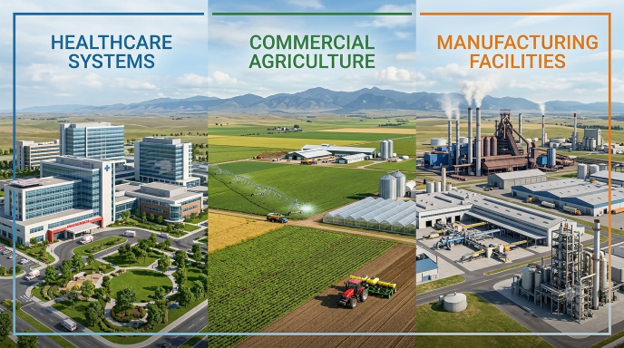
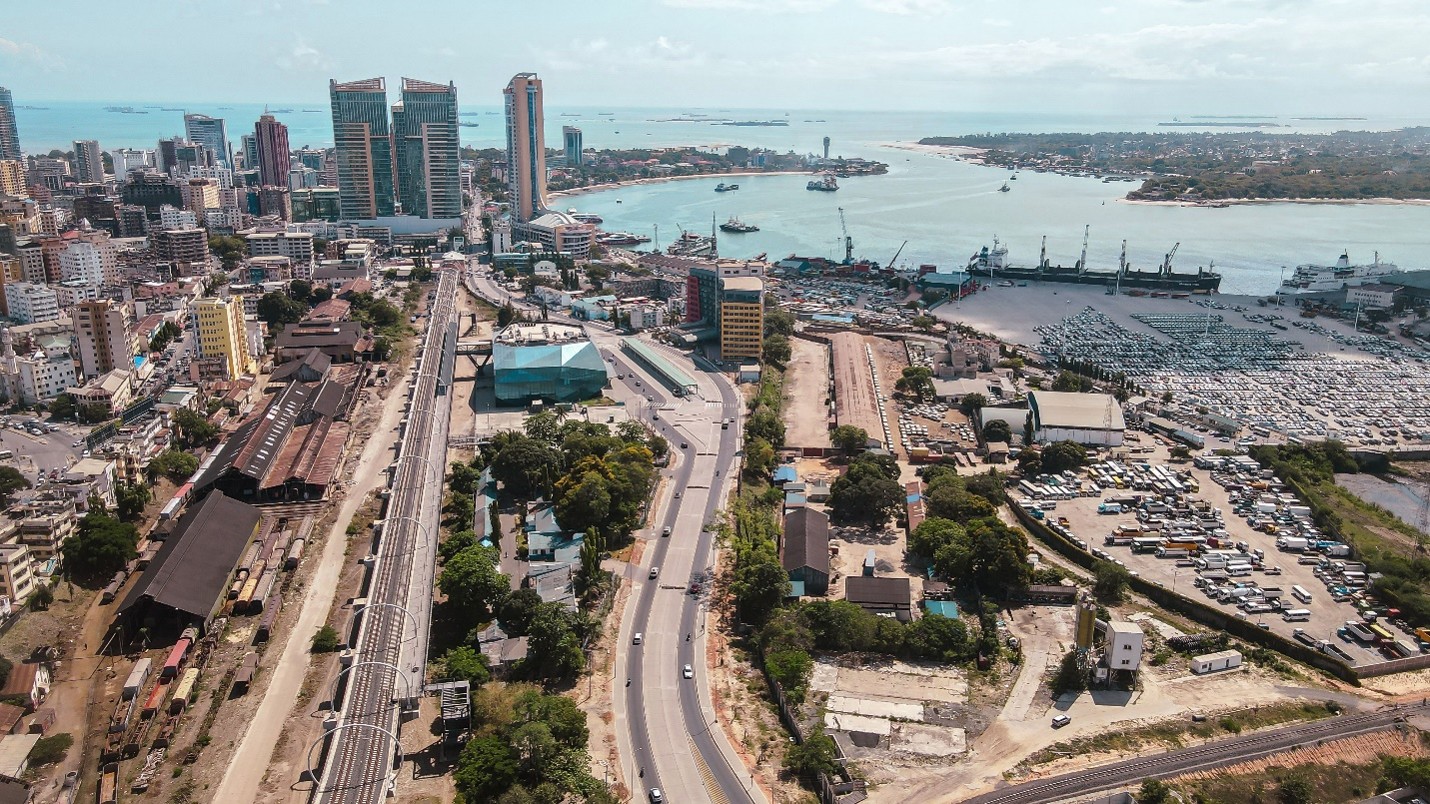
Across transport, energy, digital connectivity, logistics and urban development, governments and private investors are committing unprecedented levels of capital to projects designed not merely to close infrastructure deficits but to reshape economic competitiveness for decades to come.
The conversation is therefore changing.
Infrastructure is no longer simply about building roads, ports or power stations. It is increasingly about creating the systems that determine where investment flows, how businesses operate, how efficiently goods move across borders and which economies become regional growth hubs.
The coming decade will be decisive.
The African Continental Free Trade Area (AfCFTA), rapid urbanisation, demographic expansion, digital transformation, renewable energy investment and global supply-chain diversification are collectively increasing demand for modern infrastructure capable of supporting larger and more integrated economies.
According to the African Development Bank (AfDB), Africa requires infrastructure investment of between US$130 billion and US$170 billion annually, yet financing gaps remain substantial. Closing those gaps will require greater mobilisation of domestic capital, stronger public-private partnerships, expanded development finance and more effective project execution.
At the same time, infrastructure investment is becoming increasingly strategic.
Competition for critical minerals, renewable energy, manufacturing capacity and logistics corridors is reshaping global capital allocation. Countries capable of delivering reliable energy, efficient transport networks and competitive industrial infrastructure are likely to attract significantly greater investment than those constrained by persistent infrastructure bottlenecks.
For business leaders, investors and policymakers, the central question is no longer whether Africa needs infrastructure.
It is which projects will generate the greatest economic multiplier effects—and how governments and private capital can work together to deliver them.
________________________________________
Why It Matters
Infrastructure has historically been the foundation upon which the world's fastest-growing economies have been built.
Manufacturing expansion, trade competitiveness, industrial productivity, agricultural modernisation and digital innovation all depend upon reliable infrastructure capable of moving people, goods, information and energy efficiently.
Africa is no exception.
Yet despite sustained investment over the past two decades, infrastructure deficits continue to constrain economic growth across much of the continent.
Transport costs remain among the highest globally, electricity shortages continue to limit industrial productivity, logistics networks remain fragmented, and digital infrastructure is unevenly distributed across both urban and rural markets.
These constraints impose substantial economic costs.
Businesses face higher operating expenses, manufacturers struggle with unreliable power supplies, agricultural producers lose value through inadequate storage and transport systems, while investors frequently cite infrastructure limitations as a major obstacle to expansion.
Infrastructure therefore represents far more than a public policy challenge.
It is a decisive factor influencing competitiveness, productivity and long-term investment attractiveness.
Infrastructure Determines Economic Competitiveness
Modern economies compete not only through labour costs or tax incentives but through the quality of the systems that support commerce.
Efficient ports reduce export costs.
Reliable electricity improves manufacturing productivity.
Digital infrastructure accelerates financial inclusion and innovation.
Modern railways strengthen regional trade.
Integrated logistics corridors reduce delivery times and expand market access.
Collectively, these investments lower transaction costs across entire economies while improving business confidence.
Countries that consistently improve infrastructure therefore strengthen their ability to attract both domestic and international investment.
________________________________________
AfCFTA Changes the Equation
The implementation of the African Continental Free Trade Area fundamentally alters the economics of infrastructure investment.
Historically, many African infrastructure projects primarily served national markets.
AfCFTA expands that perspective.
Transport corridors, ports, energy interconnections and digital infrastructure increasingly support regional value chains capable of serving a market of more than 1.4 billion people.
Infrastructure should therefore be evaluated not only according to national priorities but also according to its contribution to continental integration.
Railways connecting neighbouring economies, cross-border electricity transmission, fibre-optic networks and integrated logistics hubs will become increasingly important competitive assets as intra-African trade expands.
________________________________________
Urbanisation Is Accelerating Demand
Africa's cities are expanding faster than almost anywhere else in the world.
This demographic transformation is increasing demand for housing, transport systems, water infrastructure, healthcare facilities, education, renewable energy, telecommunications and waste management.
Meeting these needs requires infrastructure investment at an unprecedented scale.
The challenge extends beyond accommodating larger populations.
Cities must become more productive, resilient and attractive to investment.
Well-planned urban infrastructure strengthens labour mobility, reduces congestion, improves public health and creates environments in which businesses can expand more efficiently.
The economic benefits therefore extend well beyond construction activity.
________________________________________
The Energy Transition Is Reshaping Infrastructure Priorities
The global transition towards cleaner energy is creating entirely new infrastructure opportunities across Africa.
Solar, wind, hydroelectric power, battery storage, transmission networks and green hydrogen projects are increasingly attracting investment from governments, development finance institutions and private capital.
For many African economies, renewable energy offers a dual opportunity.
It improves domestic electricity access while positioning countries to participate in emerging global energy value chains.
Reliable energy infrastructure also strengthens manufacturing competitiveness, digital industries and industrial development more broadly.
The countries that successfully integrate renewable energy with industrial policy may secure significant long-term advantages in attracting investment and supporting economic diversification.
Who It Affects
Africa's infrastructure decade extends far beyond engineering and construction. It will shape investment decisions, industrial competitiveness, labour markets and regional integration for decades to come.
The projects being developed today will determine which economies emerge as manufacturing hubs, logistics gateways, digital centres and investment destinations over the next generation.
Governments and Policymakers
For governments, infrastructure is increasingly an instrument of economic strategy rather than simply public expenditure.
National competitiveness now depends on the ability to provide reliable power, efficient transport, digital connectivity and industrial infrastructure capable of attracting investment.
Countries that prioritise integrated infrastructure planning, linking ports with industrial parks, power generation with manufacturing zones and transport corridors with agricultural production, are likely to generate stronger long-term economic returns than those pursuing isolated projects.
Infrastructure should therefore be viewed as productive capital rather than consumption expenditure.
________________________________________
Investors and Financial Institutions
Infrastructure has become one of Africa's largest long-term investment opportunities.
Development finance institutions, sovereign wealth funds, pension funds, private equity firms and infrastructure investors increasingly view African infrastructure as a strategic asset class capable of generating both commercial returns and developmental impact.
Investment opportunities extend well beyond roads and bridges.
Transmission networks, renewable energy, logistics hubs, industrial parks, fibre-optic infrastructure, data centres, ports, airports and urban transport systems all represent sectors attracting growing pools of institutional capital.
As governments expand the use of public-private partnerships (PPPs), private investors are likely to play an increasingly significant role in financing the continent's infrastructure transformation.
________________________________________
Businesses and Manufacturers
Reliable infrastructure directly affects business productivity.
Manufacturers depend on stable electricity, efficient freight systems and dependable logistics.
Retailers rely on modern distribution networks.
Technology companies require high-speed digital connectivity.
Agribusinesses depend upon transport corridors, storage facilities and cold-chain logistics to preserve product quality and access export markets.
Reducing infrastructure bottlenecks lowers production costs, shortens delivery times and strengthens competitiveness across entire industries.
For businesses, infrastructure investment represents one of the most effective long-term productivity improvements available.
________________________________________
Communities and Labour Markets
Infrastructure development also creates substantial social and economic benefits.
Large projects generate employment during construction while supporting long-term economic activity through expanded commerce, industrial development and urban growth.
Improved transport networks increase labour mobility.
Reliable electricity improves education, healthcare and digital inclusion.
Expanded broadband infrastructure enables entrepreneurship and access to digital services.
When infrastructure is developed alongside inclusive planning, its benefits extend well beyond physical assets to broader improvements in economic opportunity and quality of life.
________________________________________
The Projects That Could Redefine Growth
Africa's next phase of economic development will be shaped not by individual flagship projects alone but by interconnected infrastructure systems that strengthen productivity across multiple sectors.
Several categories of investment stand out as particularly transformative.
Strategic Transport Corridors
Efficient transport corridors remain essential to reducing the cost of doing business across Africa.
Many producers continue to face high logistics costs because goods must travel through fragmented road networks, congested border crossings and ageing rail systems before reaching ports or regional markets.
Governments and regional institutions are therefore prioritising integrated transport corridors linking production centres with export gateways.
Projects connecting East African ports to inland markets, modernising Southern African logistics networks and strengthening West African trade routes are expected to improve regional commerce while supporting AfCFTA implementation.
For investors, transport corridors create multiplier effects extending beyond freight movement.
Improved connectivity stimulates industrial development, warehousing, logistics services, manufacturing investment and urban expansion along transport routes.
________________________________________
Ports and Maritime Infrastructure
More than 90 per cent of Africa's international trade by volume moves through maritime transport.
Consequently, port efficiency has become a defining factor in export competitiveness.
Across the continent, governments are expanding deep-water ports, container terminals and maritime logistics facilities to accommodate larger vessels and growing trade volumes.
Modern ports increasingly function as integrated logistics ecosystems rather than simple cargo terminals.
Successful developments combine customs modernisation, inland transport links, digital cargo management, industrial zones and multimodal logistics networks.
Ports that reduce turnaround times and improve operational efficiency strengthen national competitiveness while attracting greater private-sector investment.
________________________________________
Rail Infrastructure
Rail investment is returning to the centre of Africa's infrastructure agenda.
Modern railways offer lower transport costs, greater freight capacity and improved environmental performance compared with long-distance road transport.
Several countries are expanding standard-gauge rail networks to improve connections between inland production centres, mining operations, agricultural regions and export ports.
Regional rail integration also supports AfCFTA by enabling larger volumes of cross-border trade while reducing logistics costs for manufacturers and exporters.
Long-term success, however, depends not only on construction but also on commercial sustainability, operational efficiency and integration with broader logistics systems.
________________________________________
Energy Infrastructure
Reliable electricity remains one of the strongest determinants of industrial competitiveness.
Power shortages continue to constrain manufacturing, mining, digital industries and commercial investment across many African economies.
The coming decade is therefore expected to witness substantial investment in generation capacity, transmission infrastructure and regional power interconnections.
Renewable energy is increasingly central to this expansion.
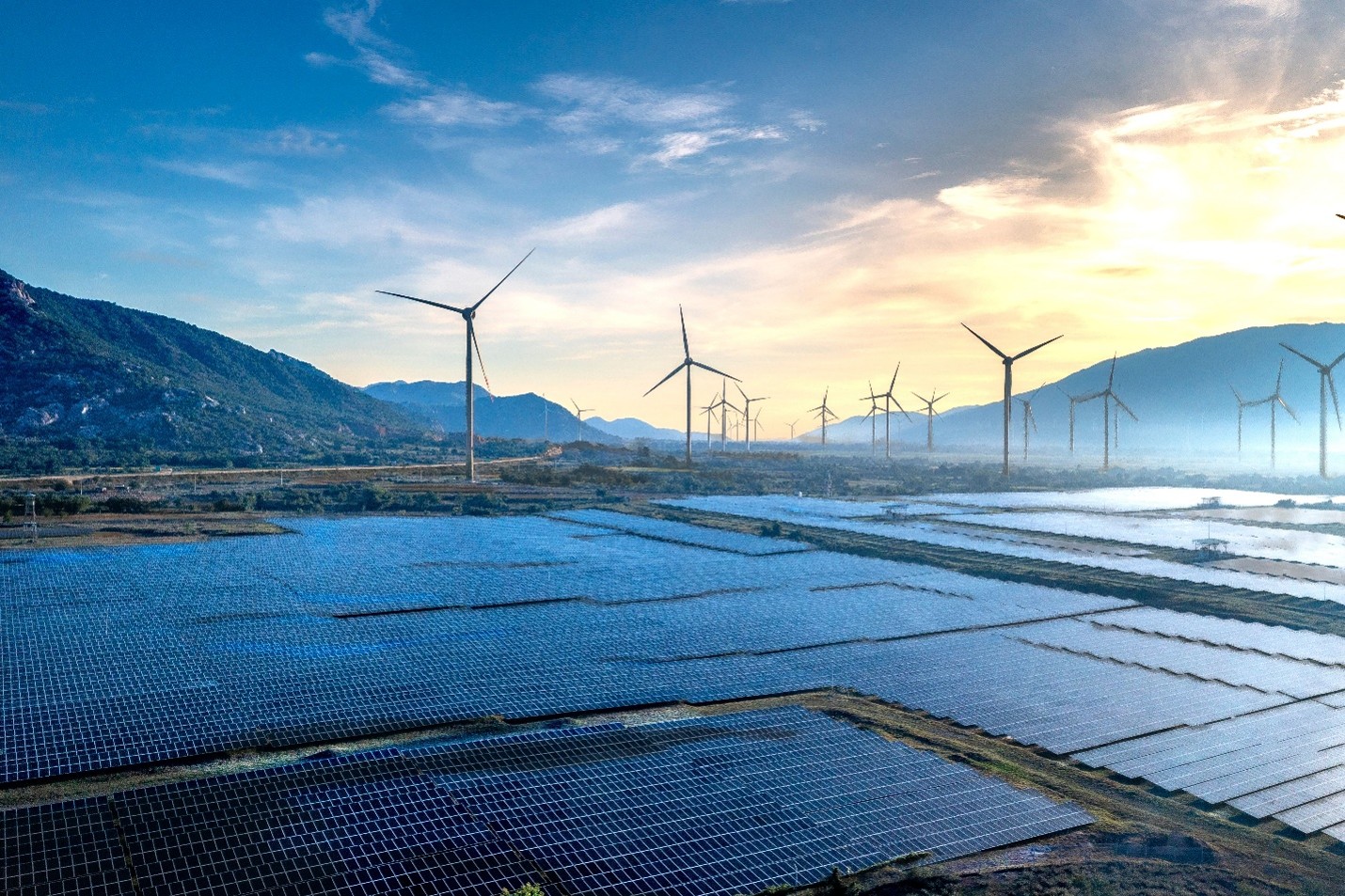
Large-scale solar projects, wind farms, hydroelectric developments and battery storage systems are attracting capital from governments, development finance institutions and private investors seeking both financial returns and climate resilience.
Cross-border electricity transmission is also becoming increasingly important.
Regional power pools enable countries to balance supply and demand more efficiently while improving energy security across interconnected markets.
For manufacturers, access to reliable electricity may prove more valuable than many traditional investment incentives.
________________________________________
Digital Infrastructure
Digital infrastructure is emerging as one of Africa's fastest-growing strategic assets.
Broadband networks, fibre-optic cables, mobile connectivity, cloud computing infrastructure and hyperscale data centres now underpin financial services, e-commerce, digital government and modern industrial production.
The rapid expansion of digital payments, fintech and artificial intelligence further increases demand for resilient digital infrastructure.
Countries investing in high-capacity digital networks are likely to strengthen innovation ecosystems while attracting technology companies, business process outsourcing and knowledge-intensive industries.
Digital infrastructure has therefore become as economically important as physical infrastructure.
________________________________________
Industrial Parks and Special Economic Zones
Infrastructure increasingly extends beyond national highways and utilities.
Industrial parks, export processing zones and manufacturing clusters are becoming central components of industrial policy across Africa.
When combined with reliable energy, efficient logistics and supportive regulation, these zones reduce operating costs while encouraging supplier networks, technology transfer and economies of scale.
Successful industrial ecosystems integrate manufacturing, logistics, research institutions, vocational training and business services into coordinated investment platforms.
Their long-term value lies not simply in attracting factories but in creating competitive industrial ecosystems capable of supporting sustained economic growth.
Market Signals
Africa's infrastructure landscape is entering a period of structural change. Rather than focusing solely on closing infrastructure deficits, governments, investors and development finance institutions are increasingly investing in assets that improve productivity, strengthen regional integration and support industrial growth.
Several market signals suggest this transition is accelerating.
Infrastructure Investment Is Becoming More Strategic
Investment priorities are shifting from isolated public works towards infrastructure that unlocks long-term economic value.
Projects are increasingly designed to connect ports with industrial parks, renewable energy with manufacturing zones, logistics corridors with agricultural production, and digital infrastructure with financial and technology ecosystems.
This reflects a growing recognition that infrastructure delivers the greatest economic returns when investments are integrated rather than developed independently.
________________________________________
Private Capital Is Playing a Larger Role
Governments remain central to infrastructure delivery, but public resources alone are insufficient to meet Africa's infrastructure financing requirements.
As a result, pension funds, sovereign wealth funds, infrastructure funds, commercial banks and institutional investors are taking a more active role through public-private partnerships, blended finance and concession models.
Private participation is becoming particularly important in renewable energy, digital infrastructure, logistics, ports and industrial real estate.
This trend is expected to continue as governments seek innovative financing models that reduce fiscal pressure while accelerating project delivery.
________________________________________
Regional Integration Is Driving Infrastructure Planning
The African Continental Free Trade Area is reshaping how infrastructure projects are designed.
Instead of serving individual national economies, new transport corridors, power pools, logistics hubs and digital networks are increasingly intended to support regional production systems.
Infrastructure is therefore becoming an important enabler of continental competitiveness rather than merely national development.
Projects capable of facilitating cross-border trade are likely to generate significantly higher long-term economic returns than investments operating in isolation.
________________________________________
Sustainability Is Becoming an Investment Requirement
Environmental sustainability has moved from a corporate responsibility issue to a financing requirement.
Development finance institutions, export credit agencies and institutional investors increasingly assess projects using environmental, social and governance (ESG) frameworks.
Renewable energy, climate resilience, sustainable transport, water security and circular economy principles are therefore becoming integrated into infrastructure planning.
Projects capable of demonstrating both commercial viability and sustainable impact are expected to attract greater long-term investment.
________________________________________
Strategic Risks
While the investment outlook is improving, Africa's infrastructure decade will also face significant challenges.
Successfully delivering transformative infrastructure requires more than financing.
It demands institutional capacity, policy consistency and effective project execution.
Financing Gaps
Although infrastructure investment continues to increase, annual financing requirements remain well above existing investment levels.
Many governments face fiscal constraints, rising debt-servicing costs and competing social expenditure priorities.
Closing the financing gap will require expanding private-sector participation, improving domestic capital markets and developing innovative financing mechanisms that reduce investment risk.
________________________________________
Project Delivery and Execution
Large infrastructure projects frequently encounter delays caused by procurement challenges, regulatory approvals, land acquisition disputes and governance constraints.
Execution risk often determines whether infrastructure delivers its intended economic impact.
Strengthening project preparation, procurement transparency and implementation capacity should therefore receive equal attention alongside financing.
________________________________________
Debt Sustainability
Infrastructure investment can stimulate growth, but financing strategies must remain sustainable.
Countries relying excessively on sovereign borrowing may expose public finances to long-term fiscal pressures.
Future investment strategies are therefore likely to place greater emphasis on commercially viable projects capable of attracting private investment rather than relying exclusively on government borrowing.
Balanced financing structures improve both investor confidence and fiscal resilience.
________________________________________
Climate Resilience
Climate change is increasing infrastructure vulnerability across Africa.
Floods, droughts, coastal erosion and extreme weather events threaten transport systems, power infrastructure and urban development.
Future infrastructure must therefore be designed with resilience in mind.
Climate-resilient engineering is becoming an economic necessity rather than an environmental preference.
________________________________________
Governance and Regulatory Certainty
Infrastructure projects typically operate over several decades.
Investors therefore prioritise regulatory stability, transparent procurement, enforceable contracts and predictable policy environments.
Countries that strengthen institutional governance are likely to attract significantly greater long-term infrastructure investment than those characterised by regulatory uncertainty.
Confidence remains one of the most valuable infrastructure assets.
________________________________________
Financing Africa's Infrastructure Decade
Meeting Africa's infrastructure ambitions will require financing models that combine public investment with institutional capital, development finance and private-sector expertise.
Development Finance Institutions
Institutions including the African Development Bank (AfDB), African Export-Import Bank (Afreximbank), International Finance Corporation (IFC), World Bank Group and regional development banks continue to play catalytic roles in financing infrastructure across the continent.
Beyond providing long-term capital, these institutions support project preparation, technical assistance, risk mitigation and private-sector mobilisation.
Their participation often increases investor confidence and improves project bankability.
________________________________________
Public-Private Partnerships
Public-private partnerships (PPPs) are becoming increasingly important across transport, energy, healthcare, education and digital infrastructure.
Well-designed PPP frameworks enable governments to leverage private expertise and capital while maintaining strategic oversight.
However, successful partnerships require transparent procurement, balanced risk allocation and robust regulatory institutions.
The quality of governance often determines the success of PPP programmes.
________________________________________
Domestic Institutional Capital
Africa's pension funds, insurance companies and sovereign investment funds represent an underutilised source of long-term infrastructure finance.
As domestic capital markets deepen, institutional investors can play a greater role in financing commercially viable infrastructure assets that generate stable long-term returns.
Mobilising domestic savings for productive infrastructure investment strengthens financial resilience while reducing dependence on external borrowing.
________________________________________
Green Finance
Climate finance is becoming an increasingly significant source of infrastructure investment.
Green bonds, sustainability-linked financing and climate investment funds are supporting renewable energy, sustainable transport, water infrastructure and climate adaptation projects.
Countries capable of developing credible pipelines of bankable green infrastructure projects are likely to attract growing international investment.
________________________________________
What Decision-Makers Should Do Next
For Governments
Governments should prioritise integrated infrastructure planning rather than isolated capital projects.
National infrastructure strategies should align transport, energy, industrial policy, digital transformation and regional trade objectives.
Policy stability, regulatory transparency and effective project preparation will remain essential to attracting long-term investment.
________________________________________
For Investors
Infrastructure investors should evaluate opportunities through ecosystem thinking.
Projects generate stronger returns when they connect industrial development, logistics, renewable energy and digital infrastructure rather than operating independently.
Long-term investment success will increasingly depend upon identifying infrastructure capable of supporting broader economic transformation.
________________________________________
For Businesses
Companies should actively incorporate infrastructure trends into corporate strategy.
Manufacturers, logistics providers, technology firms, agribusinesses and financial institutions all benefit from improved connectivity and expanding industrial ecosystems.
Businesses that position themselves alongside emerging infrastructure corridors and industrial clusters are likely to gain competitive advantages.
________________________________________
For Development Partners
Development institutions should continue supporting project preparation, blended finance, technical assistance and institutional capacity building.
Reducing project risk remains one of the most effective ways to mobilise significantly larger pools of private capital.
________________________________________
Executive Outlook
Africa's infrastructure decade is not simply about constructing roads, railways, ports or power stations.
It is about building the economic systems that will determine the continent's competitiveness over the coming generation.
The countries that integrate infrastructure with industrial policy, regional trade, digital transformation and private investment will be best positioned to capture the benefits of demographic growth and expanding global economic opportunities.
Infrastructure should therefore be understood as productive economic capital rather than public expenditure alone.
For executives, investors and policymakers, the strategic question is no longer whether Africa requires more infrastructure.
It is which infrastructure assets will create the strongest multiplier effects across manufacturing, trade, energy, technology and urban development—and how those assets can be financed sustainably.
The coming decade presents a rare opportunity to reshape Africa's economic geography.
Those who invest early in integrated infrastructure ecosystems are likely to influence not only the continent's growth trajectory but also its position within an increasingly competitive global economy.
________________________________________
Sources & Methodology
This analysis draws upon publicly available research, infrastructure assessments and market data from the African Development Bank (AfDB), African Export-Import Bank (Afreximbank), World Bank Group, International Finance Corporation (IFC), International Monetary Fund (IMF), United Nations Economic Commission for Africa (UNECA), United Nations Conference on Trade and Development (UNCTAD), African Union Commission, African Continental Free Trade Area (AfCFTA) Secretariat, Programme for Infrastructure Development in Africa (PIDA), World Trade Organization (WTO) and other official institutional publications. Project developments and investment activity were cross-referenced with reporting from Reuters, the Financial Times and official government and corporate announcements where appropriate.
This article follows Aldrenor's Premium Intelligence methodology, combining institutional research, economic analysis, market developments and long-term structural trends to provide strategic insight for executives, investors, policymakers and development partners. It is intended for informational purposes and should not be interpreted as investment, financial or legal advice.