Africa stands at the centre of one of the world's most consequential energy debates.
While developed economies focus on decarbonising mature electricity systems, much of Africa continues to confront a more fundamental challenge: insufficient energy.
More than half a billion people across the continent still lack access to electricity, while many businesses operate under chronic power shortages that increase production costs, reduce competitiveness and discourage industrial investment. Frequent outages force manufacturers to depend on expensive diesel generators, undermining productivity and limiting economic expansion.
Against this backdrop, calls for an accelerated global energy transition often overlook Africa's distinct development realities.
The continent contributes only a small share of global greenhouse gas emissions, yet it bears a disproportionate burden from energy poverty. For African economies, expanding electricity access is not simply an environmental issue; it is an economic necessity that underpins industrialisation, food security, healthcare, education, digital connectivity and long-term competitiveness.
This has given rise to an increasingly influential policy concept: energy addition.
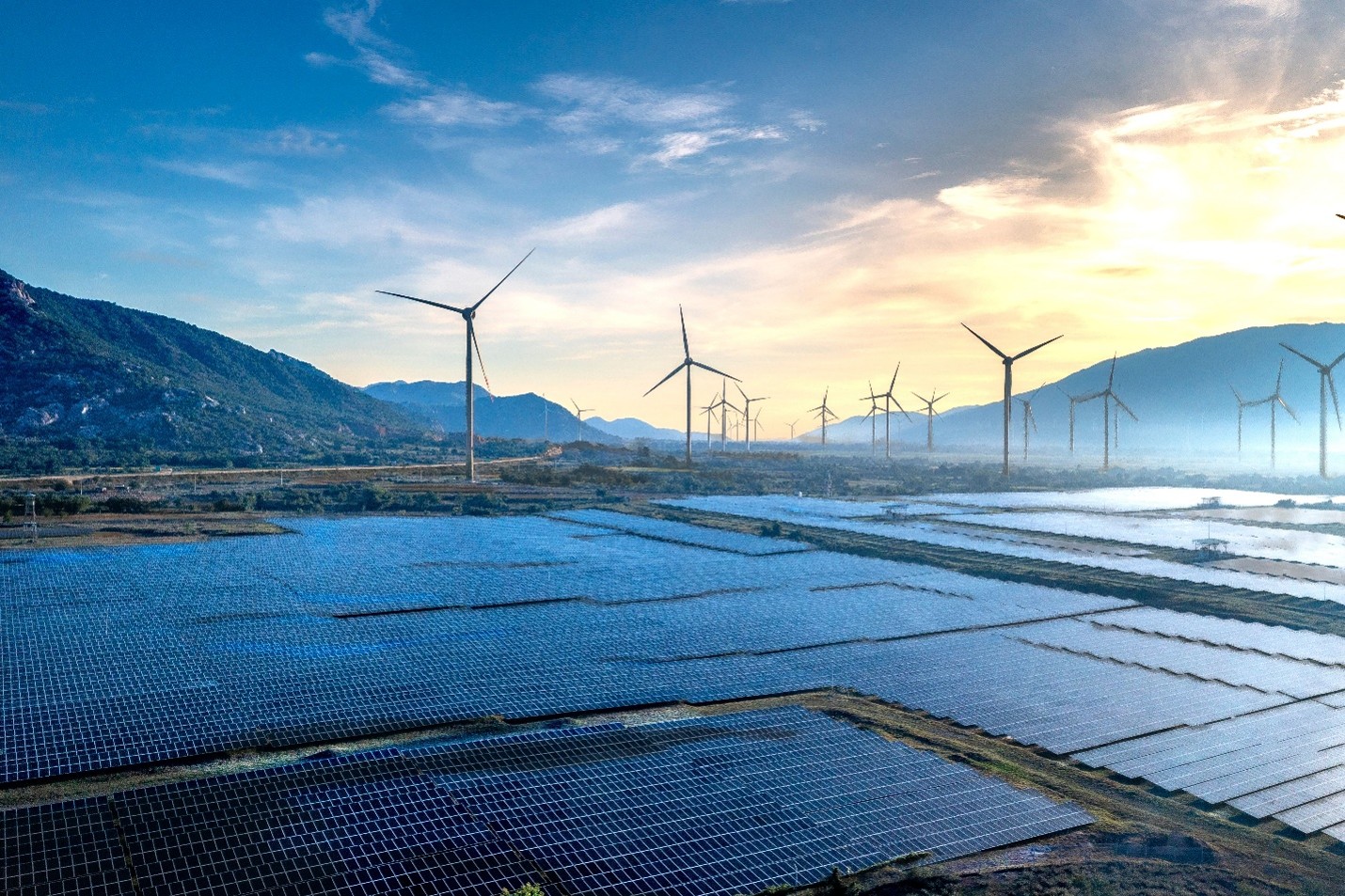
Rather than viewing renewable energy and conventional energy as mutually exclusive, energy addition argues that Africa should pursue every economically viable source of power—including solar, wind, hydroelectricity, geothermal, natural gas and emerging technologies—to rapidly increase overall electricity supply.
The objective is not delaying decarbonisation.
It is recognising that economic transformation requires substantially more energy before it can become significantly cleaner.
For executives, investors and policymakers, this debate is becoming central to decisions about infrastructure investment, industrial strategy and long-term economic growth.
Countries that successfully expand reliable electricity generation while improving affordability, strengthening transmission networks and attracting private capital are likely to become Africa's next industrial leaders.
Those that fail to close their energy deficits risk constraining manufacturing, discouraging investment and limiting future competitiveness.
Why It Matters
Energy has become the defining constraint on Africa's industrial future.
No economy has achieved sustained industrialisation without first securing abundant and reliable electricity. Manufacturing, mining, agriculture, healthcare, logistics, telecommunications and digital services all depend on energy systems capable of supporting continuous economic activity.
For many African businesses, however, electricity remains one of the largest operational risks.
Power interruptions increase production costs, damage equipment, delay exports and reduce investor confidence. In several countries, firms continue to spend substantial amounts on self-generation through diesel or heavy-fuel generators, diverting capital that could otherwise support expansion, innovation or workforce development.
The result is a persistent competitiveness gap.
Industrial productivity cannot improve sustainably while energy supply remains unreliable.
Industrialisation Requires More Energy, Not Less
The global conversation often frames energy policy around reducing fossil fuel consumption.
Africa's priorities are different.
The continent requires significantly greater electricity generation simply to meet existing demand, support urbanisation and power future industries.
Manufacturing facilities, industrial parks, processing plants, logistics hubs, data centres and transport systems all require dependable baseload electricity.
Without expanding generation capacity, industrial policy ambitions—including value addition, regional manufacturing and export diversification—will remain difficult to achieve.
The practical challenge is therefore increasing energy availability before debating how quickly individual technologies should be phased out.
Energy Is an Economic Competitiveness Issue
Reliable electricity has become as important to economic competitiveness as transport infrastructure, taxation or access to finance.
Investors increasingly evaluate countries based on the reliability, affordability and sustainability of their energy systems.
Power shortages increase investment risk, lengthen project payback periods and reduce confidence in long-term industrial expansion.
Conversely, countries capable of delivering stable electricity are better positioned to attract manufacturing investment, industrial parks, digital infrastructure and export-oriented industries.
Energy policy has therefore become industrial policy.
The Transition Must Reflect African Realities
Africa's energy systems differ fundamentally from those of Europe, North America and parts of Asia.
Many countries are simultaneously expanding electricity access, urbanising rapidly and building industrial capacity from comparatively low energy consumption levels.
Applying identical transition pathways to economies with vastly different energy realities risks slowing development rather than accelerating sustainability.
The practical objective should be expanding access to cleaner energy wherever possible while ensuring sufficient electricity is available to support economic growth.
This requires recognising that energy security, affordability and sustainability are complementary goals rather than competing priorities.
Investment Is Accelerating; but the Gap Remains Significant
Investment in renewable energy across Africa has increased considerably over the past decade.
Large-scale solar projects, wind farms, geothermal developments and off-grid energy solutions are transforming electricity access in several countries.
At the same time, natural gas continues to play an important role in supporting industrial development and providing flexible generation capacity where renewable systems remain intermittent.
Hydroelectricity, battery storage, regional power pools and transmission infrastructure are also expanding.
Despite this progress, the scale of future demand significantly exceeds current investment levels.
Meeting Africa's long-term industrial ambitions will require substantially greater public and private investment across generation, transmission, distribution, storage and grid modernisation.
The challenge is therefore not choosing one energy source over another.
It is building an energy system capable of supporting the continent's economic transformation.
Who It Affects
Africa's energy future extends far beyond utilities and power producers. The continent's approach to energy addition will influence industrial competitiveness, investment flows, regional trade, digital transformation and long-term economic resilience.
The availability, or absence of reliable electricity will increasingly determine which economies emerge as manufacturing hubs and which remain constrained by structural energy deficits.
Industrial Manufacturers
Manufacturers are among the largest beneficiaries of expanded electricity generation.
Across much of Africa, unreliable power remains one of the most significant operational challenges facing industrial businesses. Frequent outages interrupt production, increase maintenance costs and force firms to rely on expensive diesel generators that erode profitability and reduce international competitiveness.
For export-oriented industries; including agro-processing, automotive assembly, textiles, pharmaceuticals, steel, cement and chemicals, stable electricity is no longer simply an operational requirement. It has become a strategic advantage.
Manufacturers that gain access to affordable, reliable energy can improve productivity, scale production, reduce unit costs and compete more effectively within regional and international markets.
Energy availability is therefore becoming a decisive factor in industrial location decisions.
Investors and Infrastructure Developers
Africa's energy deficit represents one of the continent's largest long-term investment opportunities.
Institutional investors, infrastructure funds, sovereign wealth funds, pension funds and development finance institutions increasingly view electricity infrastructure as a foundation for wider economic development rather than a standalone sector.
Investment opportunities now extend across the entire energy value chain, including generation, transmission, battery storage, grid modernisation, industrial power solutions and distributed energy systems.
The scale of investment required means public finance alone will be insufficient.
Private capital will play an increasingly important role in financing Africa's expanding energy ecosystem.
Governments and Policymakers
Governments face the complex task of balancing three strategic objectives simultaneously:
expanding electricity access,
maintaining affordability, and
supporting long-term decarbonisation.
These objectives are often presented as competing priorities.
In reality, successful energy policy increasingly requires integrating all three.
Countries that provide regulatory certainty, transparent procurement processes and long-term infrastructure planning are likely to attract significantly greater investment than those characterised by policy inconsistency and delayed project execution.
Energy planning is becoming one of the defining tests of economic governance.
Financial Institutions
Commercial banks, export credit agencies and development finance institutions are becoming increasingly influential in Africa's energy transition.
Their role extends beyond providing capital.
Financial institutions shape project viability through blended finance, guarantees, political risk insurance and innovative financing mechanisms that reduce investment risk.
As industrial demand for electricity grows, financing institutions capable of supporting large-scale infrastructure while mobilising private capital will become central to Africa's economic transformation.
Citizens and Local Communities
Reliable electricity transforms far more than industrial output.
Expanded energy access improves healthcare delivery, strengthens educational outcomes, supports digital inclusion, enables small business growth and enhances household living standards.
Mini-grids and decentralised renewable systems are already expanding electricity access across underserved rural communities where extending national grids remains economically challenging.
The broader economic impact therefore extends beyond megawatts.
Reliable power enables opportunity.
Where the Opportunity Is
Africa's energy opportunity is not confined to one technology.
Instead, it lies in building a diversified electricity system capable of supporting industrial growth while gradually reducing emissions and improving resilience.
The strongest opportunities are emerging across several interconnected sectors.
Renewable Energy at Industrial Scale
Solar and wind power continue to attract significant investment across the continent.
Rapid declines in technology costs, combined with abundant natural resources, have strengthened the commercial case for renewable energy generation in many African markets.
Large-scale solar parks, utility-scale wind farms and hybrid renewable systems are increasingly supplying electricity to industries, mining operations and national grids.
However, renewable generation alone will not solve Africa's energy challenge.
Its greatest value lies in becoming one component of a broader, more resilient electricity mix.
Natural Gas as a Transition Fuel
Natural gas remains one of Africa's most debated energy resources.
For many policymakers, it represents an essential bridge between today's energy shortages and tomorrow's lower-carbon economy.
Gas-fired generation offers dispatchable power capable of supporting manufacturing, stabilising electricity grids and complementing intermittent renewable generation.
Countries including Nigeria, Mozambique, Tanzania and Senegal possess significant natural gas resources that could contribute to domestic industrialisation alongside export markets.
The strategic question is increasingly not whether gas should be used, but how it can accelerate industrial development while remaining compatible with longer-term decarbonisation objectives.
Hydropower and Geothermal Energy
Hydroelectricity continues to provide an important source of low-carbon baseload electricity across several African economies.
Major hydro projects have supported industrial development for decades, while geothermal resources, particularly in East Africa, offer reliable renewable generation capable of operating continuously.
Unlike variable renewable sources, these technologies provide stable electricity that can support manufacturing, mining and large industrial facilities.
Expanding these resources where economically viable remains an important component of diversified energy planning.
Transmission Infrastructure
Generating electricity represents only part of the challenge.
Many African countries continue to experience significant transmission and distribution constraints that prevent electricity from reaching businesses and households efficiently.
Modern transmission networks, digital grid management systems and regional interconnections are becoming increasingly important investment priorities.
Without stronger transmission infrastructure, new generation capacity cannot achieve its full economic impact.
Grid expansion therefore deserves equal attention alongside power generation.
Regional Power Pools
One of Africa's greatest long-term opportunities lies in regional electricity integration.
Power pools across Southern, Eastern, Western and Central Africa have the potential to improve electricity reliability by allowing countries to trade surplus generation across borders.
Regional integration reduces duplication of investment, strengthens energy security and improves overall system efficiency.
As AfCFTA promotes greater economic integration, regional electricity markets are likely to become increasingly important in supporting industrial development.
Battery Storage and Grid Flexibility
Battery technologies are becoming increasingly important as renewable energy expands.
Energy storage improves grid stability, reduces intermittency and enables greater integration of solar and wind generation into national electricity systems.
While battery costs remain relatively high, continued technological progress is expected to improve commercial viability over the coming decade.
Countries investing early in storage infrastructure may gain important advantages as electricity systems become increasingly decentralised and digitally managed.
Industrial Energy Solutions
Some of the most significant opportunities lie inside industrial facilities themselves.
Manufacturers are increasingly investing in captive power generation, rooftop solar, energy efficiency technologies, waste-to-energy systems and smart energy management.
These investments reduce operating costs while improving production reliability.
Energy efficiency is therefore becoming as strategically important as electricity generation itself.
Businesses that consume less energy per unit of output improve both profitability and competitiveness.
Green Hydrogen and Emerging Technologies
Looking beyond the current decade, Africa also possesses significant potential in emerging energy industries.
Countries with abundant renewable resources could become producers of green hydrogen, green ammonia and other low-carbon industrial fuels serving international markets.
Although commercial deployment remains at an early stage, these technologies may create entirely new export industries linked to global decarbonisation.
For policymakers, the opportunity lies in building today's electricity infrastructure while preparing for tomorrow's clean industrial economy.
Market Signals
Several structural trends indicate that Africa's energy landscape is entering a period of accelerated transformation.
Decision-makers should closely monitor:
Increasing private-sector participation in electricity generation and transmission.
Rising investment in utility-scale renewable energy projects.
Expansion of industrial captive power and embedded generation.
Greater deployment of mini-grids and distributed energy systems.
Growth in regional electricity trading initiatives.
Accelerating investment in battery storage and smart grid technologies.
Increased financing from development finance institutions for energy infrastructure.
Growing demand from manufacturers for dedicated industrial power solutions.
Collectively, these signals suggest Africa's energy debate is moving beyond questions of technology towards questions of scale, reliability, investment and industrial competitiveness.
The countries that successfully expand total electricity availability, while improving affordability and sustainability, are likely to become the continent's next generation of industrial growth centres.
Strategic Risks
Africa's energy ambitions are increasingly aligned with its industrial ambitions. Yet expanding electricity generation alone will not guarantee economic transformation. Success will depend on whether countries can build resilient, commercially viable and investment-friendly power systems that support long-term industrial growth.
Several structural risks continue to shape this landscape.
Financing the Infrastructure Gap
Perhaps the greatest challenge is the scale of investment required.
Power plants, transmission lines, substations, battery storage, pipelines and distribution networks demand substantial long-term capital. While public investment remains important, government budgets alone cannot finance the infrastructure required to meet Africa's growing electricity demand.
Closing the financing gap will require significantly greater mobilisation of institutional capital through pension funds, sovereign wealth funds, infrastructure investors, export credit agencies and blended finance structures.
Countries that establish transparent procurement processes, bankable projects and predictable regulatory environments will be better positioned to attract long-term private investment.
Energy infrastructure has become an investment proposition as much as a public policy priority.
Grid Reliability and Transmission Constraints
Increasing electricity generation without expanding transmission infrastructure creates a different bottleneck.
Across many African markets, ageing grids, transmission losses and limited cross-border interconnections continue to restrict electricity delivery even where additional generation capacity exists.
Modernising transmission systems should therefore receive the same strategic priority as constructing new power plants.
Digital grid management, smart transmission technologies and regional electricity interconnections will become increasingly important as renewable generation expands and electricity demand continues to grow.
Balancing Sustainability with Development
Africa faces a unique policy challenge.
International climate commitments encourage accelerated decarbonisation, while domestic economic priorities require rapid industrialisation and universal electricity access.
These objectives should not be viewed as mutually exclusive.
An effective energy strategy must recognise that economic development, climate resilience and energy security can reinforce one another when supported by diversified investment.
The practical question is not whether Africa should pursue cleaner energy.
It is how to expand total electricity supply while progressively reducing emissions over time.
This distinction lies at the heart of the energy addition approach.
Policy Consistency and Investor Confidence
Energy infrastructure projects often require investment horizons extending twenty to thirty years.
Frequent regulatory changes, delayed approvals, tariff uncertainty and inconsistent procurement frameworks increase project risk and discourage private investment.
Governments seeking to become regional energy and industrial hubs should prioritise regulatory certainty, transparent governance and credible long-term planning.
Investor confidence is built through consistency rather than ambition alone.
Skills and Industrial Capability
Building power stations is only one part of developing an energy economy.
Africa must also strengthen domestic engineering capability, technical education, research institutions and industrial supply chains that support the sector.
Without investment in human capital, many high-value components and specialised services will continue to be imported, limiting domestic economic spillovers.
Developing skilled workforces therefore remains central to achieving both energy security and industrial competitiveness.
Financing Africa's Energy Future
Meeting Africa's future electricity demand will require one of the largest infrastructure financing efforts in the continent's history.
The opportunity extends well beyond electricity generation.
It encompasses transmission, distribution, industrial power solutions, storage technologies, digital infrastructure and regional energy integration.
Development Finance Institutions
Institutions such as the African Development Bank (AfDB), African Export-Import Bank (Afreximbank), International Finance Corporation (IFC), World Bank Group and regional development banks continue to play a catalytic role in financing Africa's energy transition.
Their participation helps reduce project risk, improve commercial viability and attract additional private investment through guarantees, concessional lending and blended finance structures.
Beyond financing, these institutions increasingly support policy reform, technical assistance and project preparation, critical factors in accelerating infrastructure delivery.
Institutional Investors
Africa's long-term energy requirements align closely with the investment objectives of pension funds, sovereign wealth funds and infrastructure investors seeking stable, long-duration assets.
Unlocking this capital requires stronger project pipelines, improved governance standards and greater availability of investment-grade infrastructure opportunities.
Countries capable of creating predictable investment environments will likely secure a disproportionate share of institutional capital over the coming decade.
Private Sector Participation
Independent Power Producers (IPPs), renewable energy developers, engineering firms and industrial energy companies are becoming increasingly important contributors to Africa's expanding electricity ecosystem.
Public-private partnerships are enabling governments to accelerate infrastructure development while leveraging private sector expertise, technology and operational efficiency.
The future electricity system will likely be characterised by greater collaboration between governments and private industry than in previous decades.
Innovation in Energy Finance
Emerging financing models are broadening access to capital.
Green bonds, sustainability-linked loans, infrastructure funds, transition finance, carbon markets and blended finance vehicles are creating new pathways for funding both renewable and conventional energy infrastructure.
As global capital increasingly prioritises sustainable investment, African energy projects that combine commercial viability with measurable development outcomes are likely to attract growing international interest.
What Decision-Makers Should Do Next
For Governments
Energy policy should be integrated into national industrial strategy rather than managed as a standalone sector.
Governments should prioritise expanding electricity generation across multiple technologies, modernising transmission infrastructure, strengthening regulatory certainty and accelerating regional electricity integration through African power pools.
Long-term planning should focus on reliability, affordability and scalability rather than technology preferences alone.
For Investors
Investors should evaluate Africa's energy opportunity through an ecosystem perspective.
Beyond power generation, attractive opportunities exist in transmission infrastructure, battery storage, industrial energy services, energy efficiency technologies, digital grid solutions and cross-border electricity markets.
Capital allocation should increasingly focus on projects that strengthen industrial competitiveness while delivering stable long-term returns.
For Industrial Businesses
Manufacturers should treat energy strategy as a core business priority.
Investments in captive generation, renewable integration, energy efficiency and digital energy management can improve operational resilience while reducing long-term production costs.
Businesses that proactively diversify their energy sources are likely to gain competitive advantages as electricity markets evolve.
For Development Partners
Development institutions should continue supporting projects that strengthen Africa's long-term energy resilience.
Priority areas include transmission infrastructure, regional power integration, technical skills development, regulatory reform and innovative financing mechanisms capable of mobilising larger pools of private capital.
Catalytic investment remains essential to accelerating industrial development.
Executive Outlook
The future of Africa's industrial economy will depend largely on one question:
Can the continent produce enough reliable, affordable and sustainable electricity to power long-term economic transformation?
For many advanced economies, the debate centres on replacing existing energy systems.
For Africa, the challenge is fundamentally different.
The continent must first build the energy systems capable of supporting industrialisation before it can fully transition towards lower-carbon economies.
This is why the concept of energy addition is gaining increasing relevance.
Rather than framing development as a choice between renewable and conventional energy, Africa's practical pathway lies in expanding total electricity capacity through a diversified energy mix that reflects national resources, industrial priorities and long-term sustainability goals.
The countries that succeed will not simply generate more electricity.
They will build integrated energy ecosystems that connect generation with transmission, storage, industrial demand, digital infrastructure and regional trade.
Reliable power will increasingly determine where factories are built, where investment flows, where digital infrastructure expands and where new industries emerge.
For executives, investors and policymakers, energy should no longer be viewed solely as an infrastructure issue.
It is a strategic driver of competitiveness, productivity and economic resilience.
The debate is therefore moving beyond how Africa powers itself.
It is increasingly about how Africa powers its industries, strengthens its economies and secures its position within an increasingly competitive global marketplace.
The transition is important.
But for Africa's economic future, addition must come before substitution.
Sources & Methodology
This analysis draws on publicly available research, policy papers and market intelligence from the African Development Bank (AfDB), African Export-Import Bank (Afreximbank), International Energy Agency (IEA), International Renewable Energy Agency (IRENA), World Bank Group, International Finance Corporation (IFC), United Nations Economic Commission for Africa (UNECA), African Union Commission, the African Continental Free Trade Area (AfCFTA) Secretariat, the International Monetary Fund (IMF) and the World Trade Organization (WTO). Additional market developments were cross-referenced with reporting from Reuters, the Financial Times and official government and corporate publications where relevant.
The article follows Aldrenor's Premium Intelligence methodology, integrating institutional research, economic analysis, infrastructure trends and investment perspectives to provide strategic insight for executives, investors, policymakers and development partners. It is intended for informational purposes and should not be interpreted as investment, legal or financial advice.