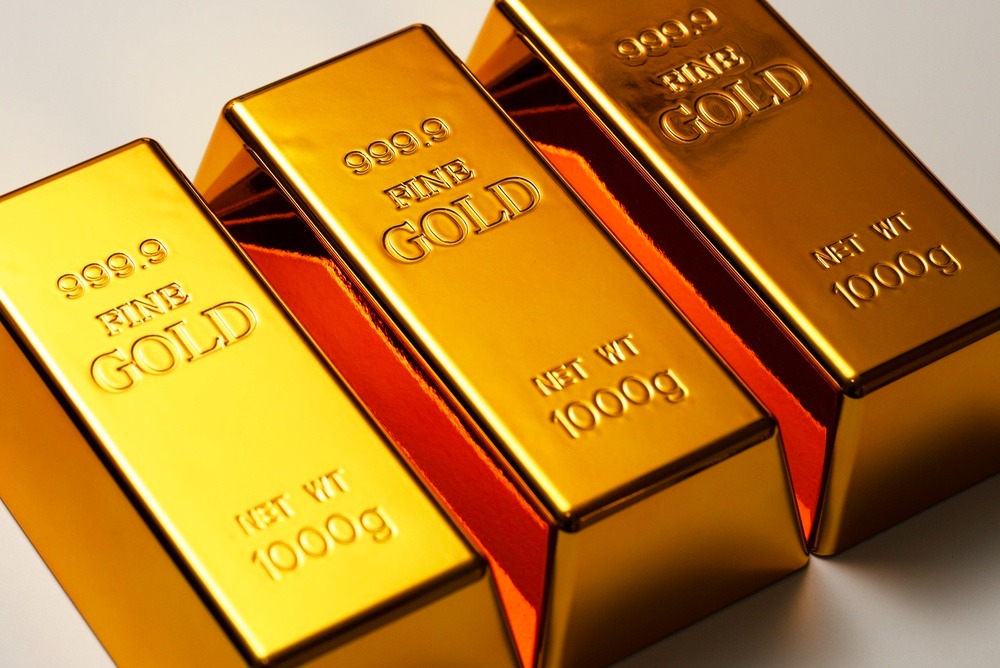
Spot gold rose 1.4% to $4,189.99 an ounce by 0842 GMT, reaching its highest level in a week and putting the metal on course for a weekly gain. US gold futures for December delivery also increased by 1.4%, trading at $4,215.30 an ounce, according to Reuters.
The recovery followed a difficult period for bullion, which had fallen to a two-month low earlier in the week as a stronger dollar and rising US Treasury yields reduced its appeal. Gold does not generate interest, making it more vulnerable when investors can obtain higher returns from interest-bearing assets.
Friday's movement reflected a change in the immediate market environment. Oil prices declined as concerns about possible disruptions to Middle Eastern supplies eased after US President Donald Trump indicated that Washington would not attack Iran before next month's US midterm elections. The comments came amid diplomatic efforts to end the conflict, which had contributed to volatility in energy markets.
Lower oil prices helped moderate concerns about further inflationary pressure and reduced some of the upward pressure on bond yields. A weaker dollar also made gold cheaper for buyers using other currencies, supporting international demand.
However, the improvement in bullion's performance did not remove the wider uncertainty facing investors. Federal Reserve policymakers remained divided over the appropriate response to persistent inflation, with some officials indicating that additional interest-rate increases might still be necessary.
Market expectations continued to reflect the possibility of further tightening. Higher borrowing costs could limit gold's recovery by increasing the opportunity cost of holding a non-yielding asset.
Other precious metals also recorded gains on Friday. Silver rose 1.7% to $60.36 an ounce, while platinum and palladium advanced by 3.4% and 3.7%, respectively.
The latest rally demonstrates how closely bullion is responding to movements in currencies, energy prices and monetary policy expectations. Its near-term direction will depend on whether inflation pressures ease sufficiently to support lower yields or whether renewed geopolitical and economic uncertainty strengthens demand for defensive assets.